 EN
EN
 FR
FR DE
DE PT
PT ES
ES AR
AR RU
RU
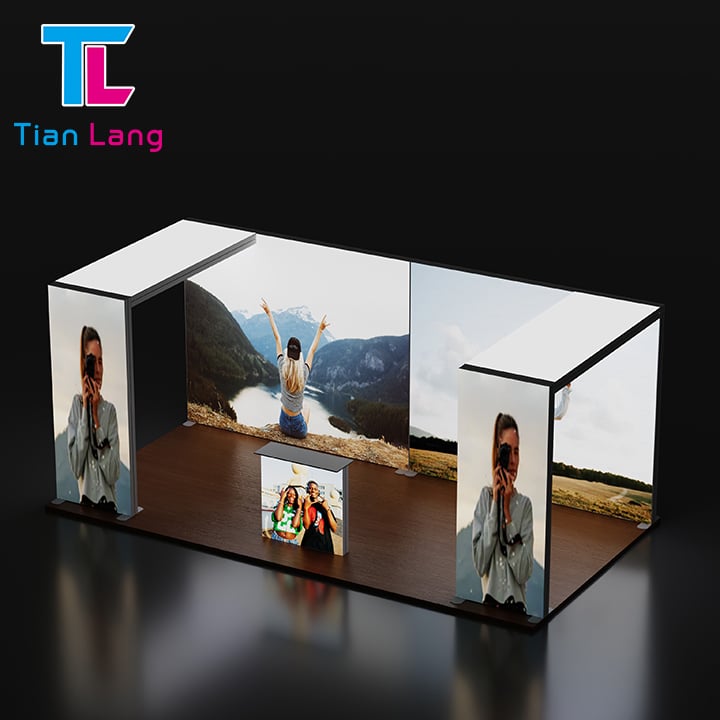
Retail environments are constantly evolving, and one of the most significant trends reshaping how brands present their products is the adoption of fabric light box displays. These sophisticated visual solutions have moved from niche applications to mainstream retail strategy, fundamentally changing how merchants communicate with customers. A light box combines elegant design with functional illumination, creating a compelling visual narrative that captures attention and drives purchasing decisions in competitive retail spaces.
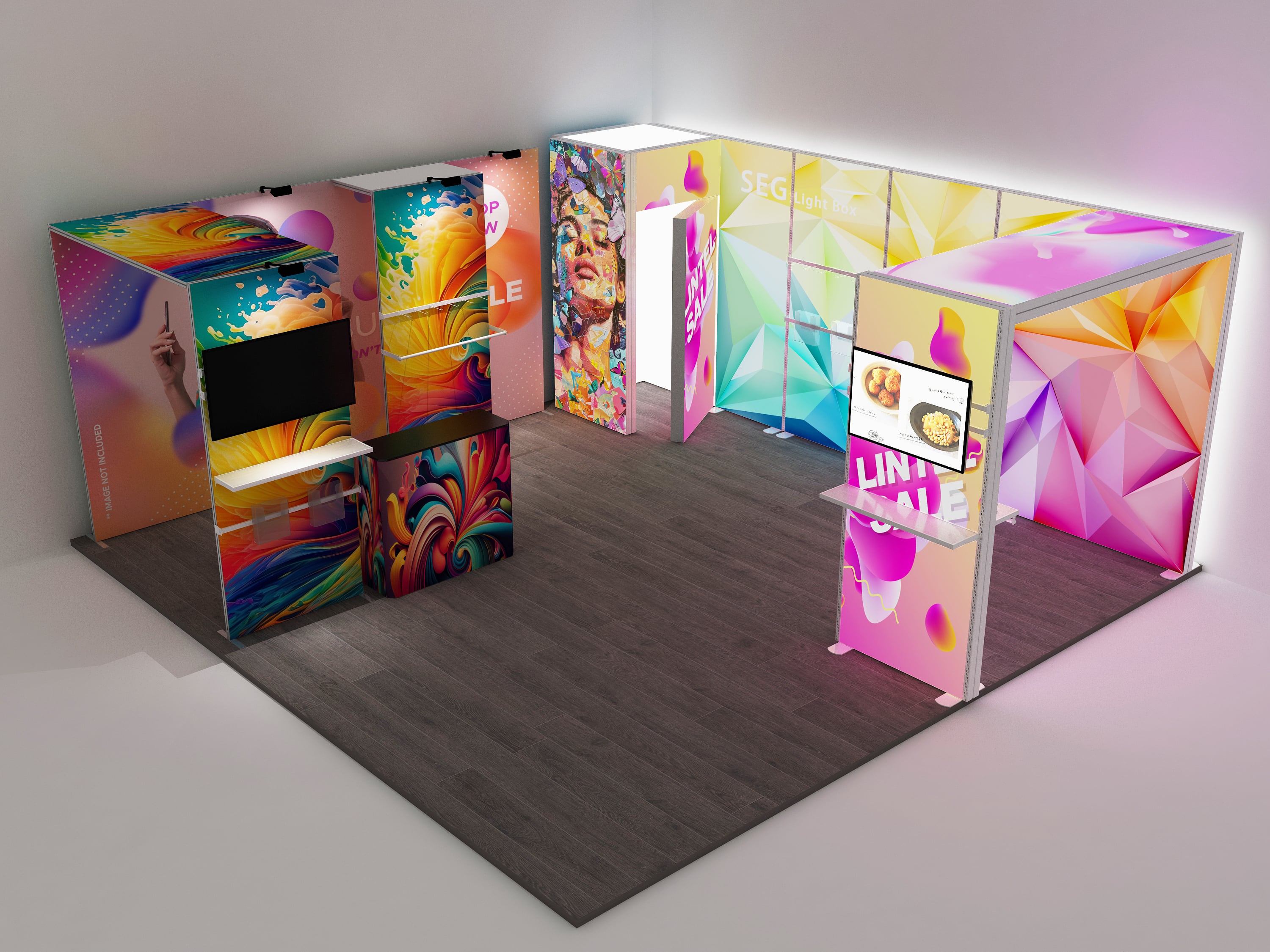
The popularity of fabric light box displays stems from their unique ability to blend aesthetic appeal with practical performance metrics that retailers increasingly demand. Unlike traditional static signage, a light box offers dynamic visual presence that adapts to diverse retail environments, from flagship stores to temporary pop-up shops. Understanding why retailers are investing in light box technology requires examining the intersection of customer psychology, brand positioning, and operational efficiency in modern merchandising.
The Visual Psychology Behind Light Box Technology
How Illumination Drives Customer Perception
Human eyes naturally gravitate toward light and movement, a principle that makes a light box an exceptionally effective merchandising tool. When properly designed, a light box draws customer attention within milliseconds of entering a retail space, establishing immediate brand awareness before any other interaction occurs. The uniform, diffused illumination provided by a quality light box eliminates harsh shadows that plague traditional signage, creating a professional presentation that subconsciously signals brand credibility and quality to consumers. Studies in retail psychology demonstrate that products displayed within or near illuminated surfaces like a light box experience higher perceived value and increased purchase intent compared to standard displays.
Color Psychology and Brand Messaging
A light box enables retailers to leverage advanced color psychology by choosing fabric graphics and lighting combinations that align with brand identity and emotional responses. Warm lighting within a light box conveys trust and approachability, while cooler tones suggest innovation and sophistication. The fabric material used in modern light box construction allows for seamless color gradients and photorealistic imagery that traditional displays cannot achieve, enabling brands to communicate complex messages instantly. When customers encounter a light box displaying brand colors and imagery, neurological responses trigger faster brand recognition and emotional connection, directly contributing to conversion rates that exceed traditional promotional methods.
Operational and Financial Benefits of Light Box Displays
Cost Efficiency and Longevity
Retailers are rapidly adopting light box solutions because these displays offer superior long-term financial performance compared to conventional alternatives. A modern light box utilizes LED technology that consumes 70-80% less energy than older lighting solutions, dramatically reducing operational costs over the display's lifetime. The fabric components within a light box are engineered for durability, resisting fading and deterioration even in high-traffic retail environments where displays face constant exposure to sunlight and ambient conditions. Unlike printed signage that requires periodic replacement, a quality light box maintains visual integrity for 5-7 years with minimal maintenance, making it an economically rational investment for retailers managing multiple locations and tight budget constraints.
Flexibility and Rapid Content Updates
One of the most compelling reasons retailers prefer a light box is its inherent flexibility for rapid content changes without complete replacement costs. The fabric graphics in a light box can be updated in minutes by trained staff, allowing retailers to adapt messaging to seasonal campaigns, inventory changes, or promotional shifts without downtime or expensive fabrication delays. This modularity is particularly valuable during peak retail seasons when timing directly impacts sales performance. A light box designed with tool-free assembly and disassembly enables retailers to reconfigure displays across multiple locations efficiently, maximizing return on their visual merchandising investment.
Market Demand and Retail Innovation Trends
Omnichannel Retail Expectations
Today's consumers experience sophisticated digital displays and professional branding everywhere, creating elevated expectations for in-store visual presentations. A light box meets these heightened standards by delivering polished, contemporary aesthetics that compete with digital channels while maintaining the tactile, immersive experience unique to physical retail. Retailers recognize that their store environment is a critical brand touchpoint, and a light box enables consistent brand presentation across all customer interactions, from online imagery to in-store reality. This alignment between digital marketing and physical merchandising through light box solutions strengthens brand coherence and customer trust.
Trade Shows and Experiential Retail
Beyond traditional retail locations, a light box has become essential equipment for trade shows, pop-up events, and experiential marketing activations. The portability and professional appearance of a light box make it ideal for temporary installations where retailers and brands need maximum impact with minimal setup complexity. Event organizers consistently report that booths featuring light box displays attract significantly more visitor engagement compared to standard booth designs. The ability to position a light box in three-dimensional space, combined with customizable fabric graphics, enables brands to create immersive brand experiences that generate social media content and word-of-mouth marketing amplification.
Technical Innovation Driving Adoption
Advanced Material Science and Fabric Performance
The fabric materials integrated into modern light box systems represent significant advancements in display technology that directly improve retail performance. High-quality fabric used in contemporary light box designs features superior color saturation and image clarity compared to vinyl alternatives, creating photorealistic representations that showcase products accurately. These materials are engineered to diffuse light uniformly, preventing hot spots and ensuring consistent visibility from multiple viewing angles throughout retail spaces. Additionally, fabric in a light box resists dust accumulation and staining better than traditional surfaces, maintaining professional appearance with minimal maintenance interventions.
Integration with Smart Retail Systems
Progressive retailers are increasingly integrating light box displays with sensor technology and inventory management systems to create responsive merchandising environments. Temperature-controlled light box installations protect sensitive products while providing optimal display conditions, and some advanced systems incorporate motion sensors that adjust lighting intensity based on customer proximity and traffic patterns. These technological enhancements transform a light box from a static display into an intelligent merchandising tool that provides valuable data on customer engagement and dwell time. The convergence of physical display excellence with digital analytics represents the future trajectory of light box adoption in sophisticated retail environments.
FAQ
What makes a light box more effective than traditional printed signage in retail environments?
A light box outperforms traditional signage through several measurable advantages: superior visibility in all lighting conditions, higher perceived brand quality, customizable messaging capability, and longer operational lifespan. The illumination inherent to a light box creates psychological attraction that passive signage cannot replicate, resulting in measurably higher customer engagement and conversion rates in controlled retail studies.
Can retailers easily update graphics on a light box without professional installation services?
Yes, modern light box systems are designed for tool-free fabric replacement, enabling retail staff to update graphics quickly without specialized expertise or downtime. This flexibility allows retailers to implement seasonal campaigns, promotional rotations, and inventory-driven messaging changes rapidly and cost-effectively compared to permanent signage solutions.
How does LED technology in contemporary light box displays impact operational costs?
Current LED-based light box systems reduce energy consumption by 70-80% compared to traditional fluorescent or incandescent lighting alternatives, resulting in substantial long-term savings on electricity expenses. When combined with the durability of modern fabric materials, a light box becomes a financially rational investment offering 5-7 years of reliable performance with minimal maintenance requirements.