 EN
EN
 FR
FR DE
DE PT
PT ES
ES AR
AR RU
RU
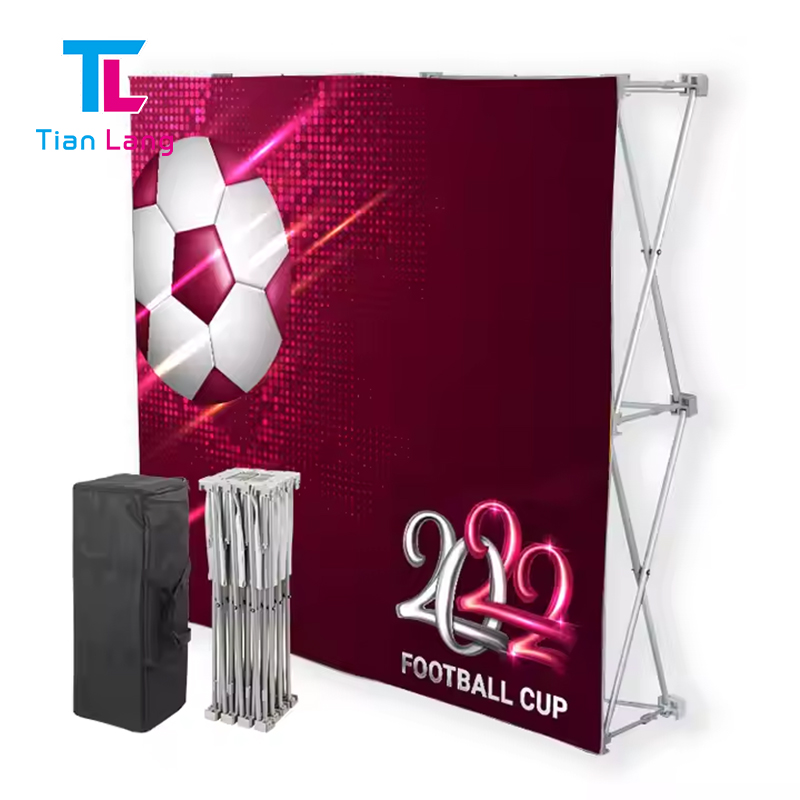
Small to medium-sized businesses often struggle with visibility in competitive markets, and selecting the right advertising tools can make a genuine difference in brand recognition and customer engagement. A light box solution represents one of the most versatile and cost-effective display technologies available today, offering businesses a way to stand out both day and night with eye-catching illuminated graphics. Understanding whether investing in a custom light box is right for your business requires examining the financial returns, operational benefits, and long-term value proposition that modern light box technology delivers.
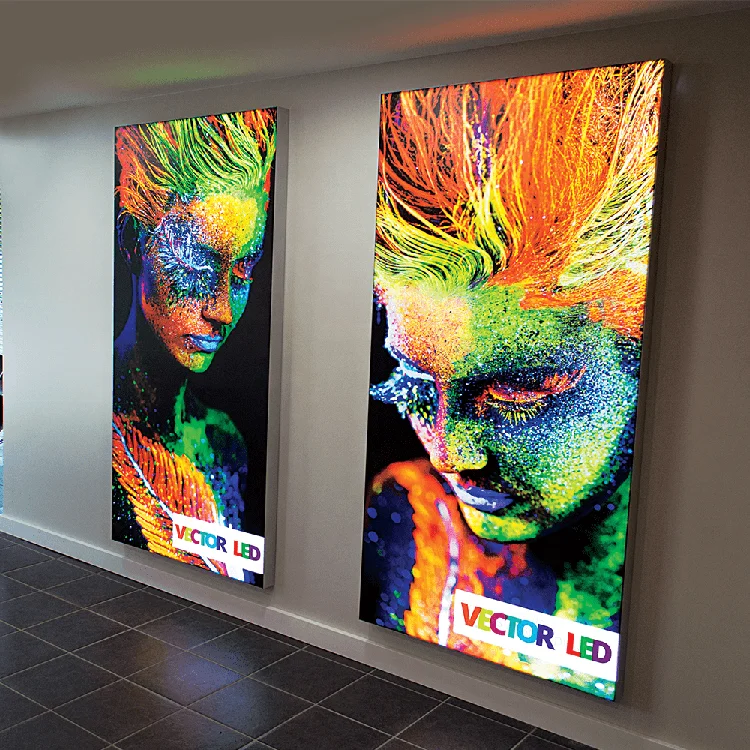
The investment decision for a custom light box depends on multiple factors, including your location, target audience, current advertising budget, and business goals. Unlike temporary advertising campaigns that require continuous spending, a light box represents a semi-permanent asset that can generate consistent brand exposure for years. This article explores the real financial and strategic considerations that will help small to medium businesses determine whether a custom light box solution is worth the investment.
Understanding Light Box Value for Small Businesses
The Core Business Case for Light Box Investment
A custom light box serves as a 24/7 marketing tool that requires minimal ongoing maintenance compared to digital advertising campaigns that demand constant budget replenishment. The fundamental value of a light box lies in its ability to create persistent brand visibility without requiring monthly subscription fees or performance-based spending. For retail storefronts, offices, and service-based businesses, a well-designed light box becomes a critical asset that attracts foot traffic and establishes professional brand presence in the physical space surrounding your business location.
The return on investment for a light box extends beyond simple footfall increases to encompass brand credibility, customer perception, and competitive positioning. When customers see a professional light box display, they immediately perceive the business as established, legitimate, and worthy of their attention. This psychological benefit is difficult to quantify but represents genuine business value that translates into higher conversion rates and customer confidence. A custom light box investment typically costs between one and ten thousand dollars depending on size and complexity, while generating ongoing value for five to ten years or longer.
Comparative Cost Analysis Against Other Advertising Methods
Traditional advertising methods like monthly billboards, social media advertising, and print campaigns require continuous financial commitment to maintain visibility. A light box, once installed, continues generating impressions without recurring payment, making the cost per impression dramatically lower over a multi-year period. For a business spending five hundred dollars monthly on digital advertising, a five-thousand-dollar light box investment breaks even within approximately ten months, after which the light box continues delivering value for years without additional spending.
Digital advertising campaigns frequently show declining performance as audiences become accustomed to repeated messaging, requiring businesses to increase budgets to maintain effectiveness. A light box maintains consistent visual impact year-round, never losing potency due to audience fatigue or algorithm changes. This structural advantage means a light box solution provides superior long-term value for businesses seeking sustainable, predictable brand visibility without constantly chasing new advertising platforms or channel strategies.
Strategic Advantages of Custom Light Box Solutions
Location Optimization and Customer Acquisition
The physical location of your business fundamentally determines whether a light box investment makes financial sense. Businesses positioned on high-traffic streets, near transit stations, or in commercial districts experience immediate benefits from light box visibility, as the display reaches hundreds or thousands of potential customers daily. A custom light box designed specifically for your storefront or office location creates brand differentiation and makes your business impossible to miss during peak foot traffic hours. This location-based advantage cannot be replicated through online advertising channels, which require customers to already be actively searching or scrolling through feeds.
Effective light box placement transforms underutilized physical assets into revenue-generating marketing infrastructure. Businesses in secondary locations or newly opened offices can use light box solutions to accelerate customer awareness and market penetration significantly faster than traditional organic growth patterns would allow. The visibility factor directly influences walk-in traffic, which represents the most cost-effective customer acquisition channel for retail and service-based operations.
Brand Identity and Professional Perception
A custom light box becomes the visual embodiment of your brand identity in the physical environment, creating a professional appearance that signals business legitimacy and investment in excellence. When customers observe that a business has invested in quality signage and professional lighting, they unconsciously upgrade their perception of the company's reliability, service quality, and long-term stability. This halo effect extends beyond the light box itself to influence overall customer relationships and purchasing decisions across all service offerings.
The design and execution quality of your light box directly correlates with perceived business professionalism and market positioning. A poorly executed light box damages brand perception and suggests a business lacking attention to detail, while a professionally designed custom light box elevates brand status and creates differentiation from competitors using generic or minimal signage. This perception shift translates directly into premium pricing power and customer loyalty, making the light box investment a strategic branding asset rather than merely a tactical advertising expense.
Financial Viability and Return on Investment
Cost Structure and Break-Even Analysis
The total cost of a light box includes initial design and manufacturing, installation, electrical connections, and periodic maintenance costs, which typically total between three thousand and eight thousand dollars for small to medium business applications. Installation and electrical work represent significant but one-time expenses, while maintenance requirements remain minimal, usually limited to occasional bulb replacement and cleaning. Understanding the complete cost structure allows businesses to accurately project break-even timelines and establish realistic financial expectations for light box investment decisions.
Break-even analysis for light box investments requires calculating how many additional customers the light box must attract to justify the investment cost. For a retail business with a light box costing five thousand dollars and an average customer purchase value of fifty dollars, the light box must attract one hundred additional customers to break even. Most appropriately positioned light box installations achieve this customer acquisition threshold within three to six months, delivering profitability well before the end of the light box's useful operational life.
Revenue Generation and Profitability Scenarios
Realistic scenarios for light box profitability vary significantly based on business type, location, and market conditions, but most installations show positive financial performance within the first year of operation. A retail storefront in a high-foot-traffic area might experience a ten to twenty percent increase in walk-in traffic directly attributable to improved light box visibility. For a service-based business like dental offices or salons, a professional light box might generate sufficient customer awareness to justify the investment through premium pricing and increased appointment bookings alone.
Conservative projections suggest that well-positioned light box installations generate positive annual returns of fifteen to thirty percent of the initial investment, with returns improving as the business establishes reputation and customer base growth compounds over successive years. This financial performance exceeds typical returns from equivalent advertising spending on digital channels, making light box investment a rational financial decision for businesses committed to occupying their physical location for multiple years. The key to financial viability is ensuring the light box reaches your target market effectively through strategic placement and professional design execution.
Implementation Considerations and Risk Factors
Location Suitability and Site Requirements
Not every business location justifies light box investment, and conducting honest assessment of your specific circumstances prevents wasting resources on ineffective installations. Businesses located in areas with limited foot traffic, restricted signage regulations, or inadequate visibility from main roads may not generate sufficient return from light box investment to justify the expense. Urban businesses with high property values and competitive storefronts face different light box dynamics than suburban locations with lower competition and different customer arrival patterns.
Regulatory considerations including zoning restrictions, sign permit requirements, and HOA regulations can affect light box viability in specific locations, requiring due diligence before committing investment resources. Understanding local regulations and securing necessary approvals before purchasing and installing a light box prevents costly delays and ensures compliance with municipal standards. Professional installation companies typically handle these administrative requirements, but businesses should verify that all regulatory requirements align with their light box plans before proceeding.
Design Quality and Professional Execution
The quality of light box design fundamentally determines whether the investment generates positive returns or becomes a wasted expenditure that damages brand perception. Cheap, poorly designed light boxes create negative brand associations and fail to attract customer attention effectively, negating the financial benefits that justify the investment in the first place. Investing in professional design services ensures that your custom light box represents your brand effectively and creates the visual impact necessary to influence customer behavior and perception.
Material quality, lighting technology, and weather resistance significantly affect light box longevity and maintenance costs over the years of operation. Modern light box solutions using LED technology offer superior energy efficiency and reduced operating costs compared to older fluorescent or incandescent lighting systems. Selecting appropriate materials and technology specifications ensures your light box continues delivering value throughout its intended operational lifespan without premature deterioration or safety issues.
FAQ
What is the typical payback period for a light box investment?
Most appropriately positioned light box installations achieve positive return on investment within six to twelve months, with well-executed installations in high-traffic areas potentially breaking even within three months. The payback period depends directly on foot traffic volume, conversion rates, and customer purchase values in your specific market. Businesses should calculate realistic customer acquisition numbers based on local foot traffic patterns before committing to light box investment to establish accurate financial projections.
Can a light box investment work for service-based businesses?
Yes, service-based businesses including medical offices, salons, accounting firms, and professional services frequently see excellent light box returns through increased appointment bookings and customer awareness. A professional light box signals business legitimacy and market presence that influences professional customer decision-making and perception of service quality. Service businesses benefit particularly from light box visibility because their customers often navigate unfamiliar neighborhoods searching for specific addresses, making professional signage critical for reducing friction in the customer discovery process.
What maintenance requirements does a light box require?
Modern light box solutions require minimal maintenance, typically limited to quarterly cleaning and periodic LED bulb replacement approximately every five to seven years depending on usage patterns. Professional light box installations include weatherproofing and sealed construction that protects internal components from environmental damage and extends operational lifespan significantly. Most businesses find that light box maintenance costs remain negligible compared to the ongoing advertising expenses required to maintain equivalent customer visibility through alternative channels.