 EN
EN
 FR
FR DE
DE PT
PT ES
ES AR
AR RU
RU
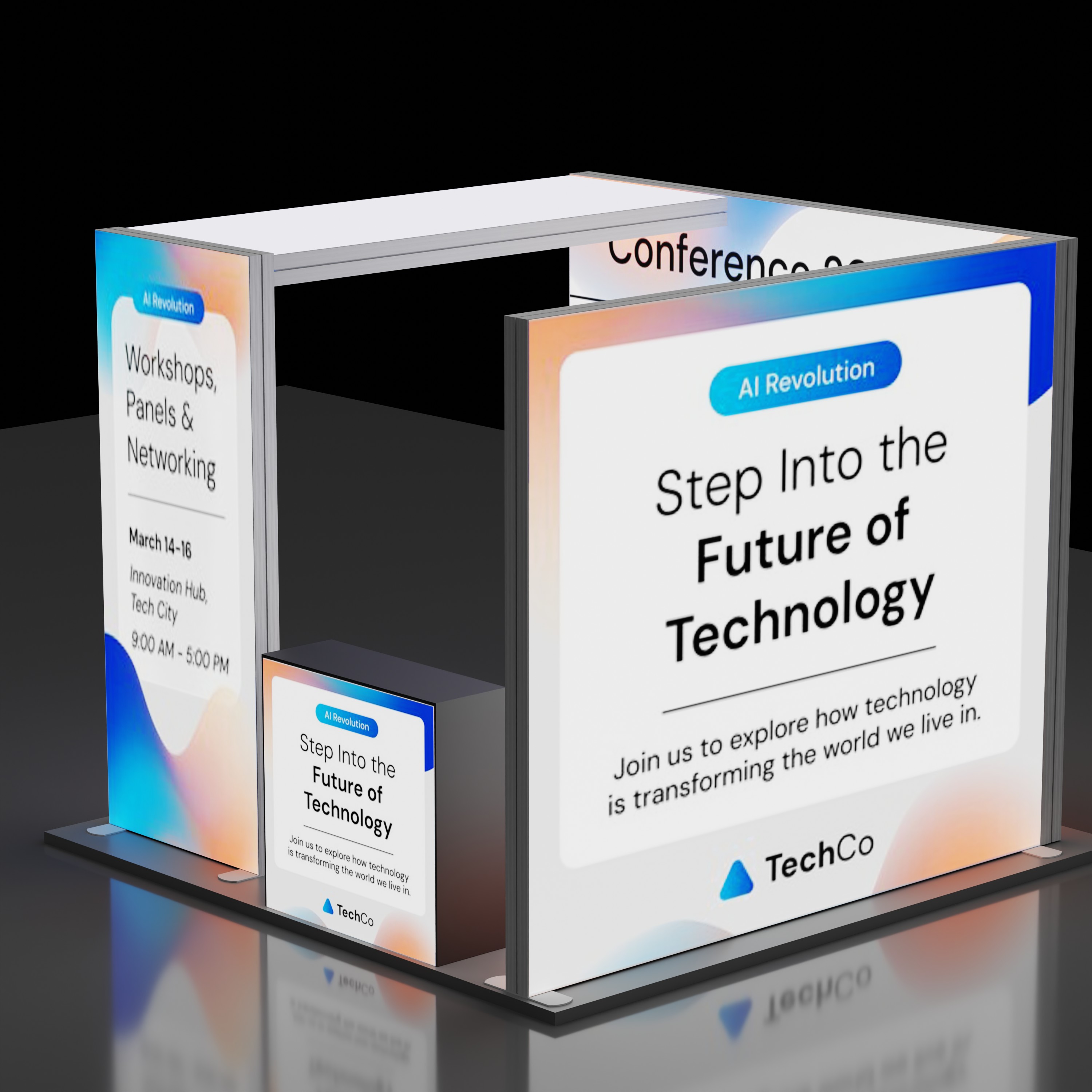
A well-designed trade show booth layout directly influences how visitors interact with your brand, how long they stay, and whether they convert into qualified leads. The physical arrangement of your trade show booth—from entrance positioning to display zones and seating areas—determines traffic flow and engagement opportunities. Industry research shows that booth visitors spend an average of only 2-3 minutes at each stand, making strategic layout design essential for maximizing that brief window of attention. Understanding how to structure your trade show booth layout transforms your exhibition space from a passive display into an active engagement engine that attracts, engages, and captures contact information from high-quality prospects.
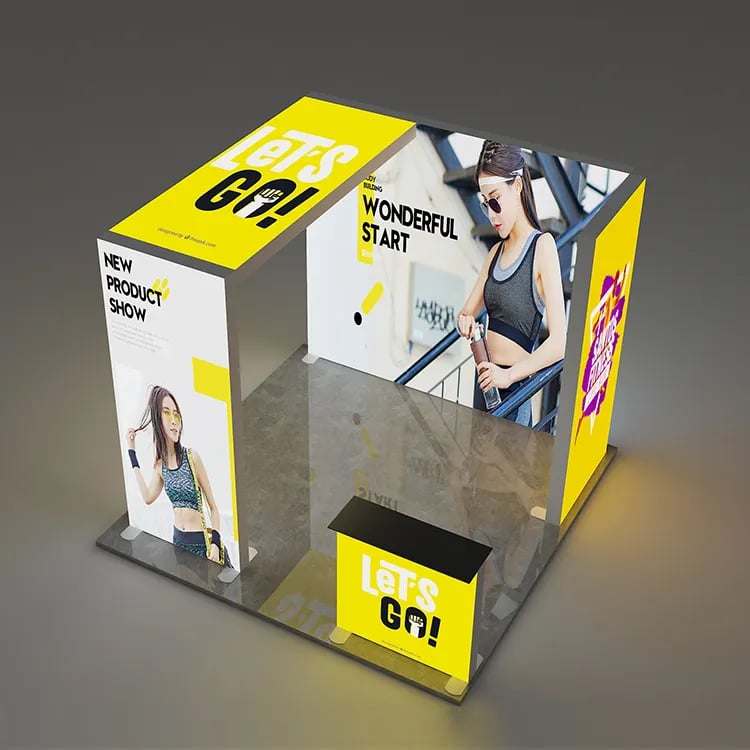
Every element of your trade show booth layout—from signage height to seating arrangement—serves a specific purpose in the visitor journey. Whether you are a startup exhibiting for the first time or an established company refining your exhibition strategy, the fundamentals of effective trade show booth layout remain consistent: clear entry points, logical flow, interactive elements, and dedicated spaces for conversations. This guide explores how to design a trade show booth layout that aligns with your lead generation goals and creates memorable brand experiences that drive measurable business results.
Strategic Entry and Visual Hierarchy in Your Trade Show Booth
Designing an Inviting Entrance
The entrance to your trade show booth is your first opportunity to communicate value and attract foot traffic. A well-designed trade show booth entrance should be open and welcoming, without physical barriers that discourage visitors from approaching. Positioning your signage at eye level—approximately 5-6 feet high—ensures that your core message is visible from distances up to 20 feet away, allowing visitors to quickly assess whether your booth merits a closer look. The trade show booth entry point should feel inviting rather than defensive, with clear lines of sight into the booth interior that remove any sense of gatekeeping or intimidation.
Creating Visual Pull and Messaging Clarity
Your trade show booth visual hierarchy determines what visitors notice first and which elements draw them deeper into your space. High-impact graphics, product displays, or video content positioned at the back of the booth creates a visual pull that encourages visitors to walk through your entire space. The headline messaging on your trade show booth signage should communicate benefit, not just company name, addressing a specific pain point or opportunity relevant to your target audience. Lighting design plays an equally critical role; well-lit areas of your trade show booth naturally attract visitor attention, while dim zones suggest less important information and reduce engagement with those areas.
Traffic Flow and Booth Layout Zones
Defining Functional Zones Within Your Trade Show Booth Layout
An effective trade show booth layout divides your exhibition space into distinct functional zones: a greeting area, demonstration zone, product showcase area, and lead capture station. The greeting area occupies your front 2-3 feet and should be open enough to allow staff to engage visitors naturally without appearing crowded or exclusionary. Your trade show booth demonstration zone should be positioned where visitors can gather comfortably—ideally with 6-8 feet of open floor space to accommodate small groups without blocking sightlines or walkways. The lead capture station in your trade show booth should be visible but slightly recessed, positioning it as a natural next step after visitor interest has been established, rather than the primary focal point.
Optimizing Movement Patterns and Dwell Time
Successful trade show booth layout design encourages visitors to move from the entrance through multiple zones, extending their time in your space and increasing touchpoints for engagement. A figure-eight or circular traffic pattern within your trade show booth prevents dead-end feelings and creates natural opportunities for visitors to re-engage with different elements. Positioning interactive elements or product samples at strategic points along this traffic flow increases the likelihood that visitors will pause, engage, and initiate conversations with your team. Your trade show booth should never force visitors into a single linear path; instead, subtle design cues—such as flooring changes, lighting focus, or strategic furniture placement—guide movement naturally and allow visitors to explore at their own pace.
Interactive Elements and Lead Generation Mechanisms
Incorporating Engagement Elements Into Your Trade Show Booth
Live product demonstrations, interactive screens, or hands-on samples positioned strategically within your trade show booth layout significantly increase visitor engagement and dwell time. These interactive elements should be accessible without requiring staff assistance to initiate—visitors should be able to touch, explore, or test offerings immediately upon arrival at your booth. Your trade show booth layout should accommodate both self-guided exploration and staff-facilitated demonstrations, with clear sightlines allowing your team to monitor visitor interactions and identify engagement opportunities. Digital displays or video content in your trade show booth should be positioned to loop continuously and communicate core value propositions in 30-second segments, respecting the limited attention span of passing visitors.
Structuring Lead Capture Within Your Trade Show Booth Design
Lead capture mechanisms positioned naturally within your trade show booth layout should feel like progression steps, not intrusive barriers. A trade show booth with a dedicated conversation area encourages visitors to provide contact information in exchange for deeper engagement or product information. Positioning your lead capture station at an elevated desk or counter—rather than ground level—creates a natural stopping point and professional environment for information exchange. Your trade show booth should offer multiple lead capture methods: digital forms on tablets, QR codes linking to landing pages, or traditional business card collection, allowing visitors to choose their preferred engagement method. This flexibility increases lead capture rates and accommodates varying comfort levels with different technologies among your audience segments.
FAQ
How does booth size affect the effectiveness of trade show booth layout design?
Booth size directly impacts how many distinct zones your trade show booth can accommodate and how effectively you can manage traffic flow. Larger booths allow for dedicated demonstration areas, seating zones, and lead capture stations without crowding, but they also require more staff presence to prevent visitors from feeling lost or isolated. Smaller trade show booth footprints demand more intentional zone overlap and require tighter focus on one or two core engagement elements, which can actually increase lead quality by forcing clearer messaging and more intimate staff-visitor interactions. Regardless of booth size, your trade show booth layout should maintain clear sightlines and avoid wasting floor space on decorative elements that don't serve engagement or lead generation purposes.
What role does furniture selection play in optimizing trade show booth layout?
Furniture in your trade show booth layout serves both functional and psychological purposes: stools and chairs invite visitors to stay longer and engage in substantive conversations, while standing-height tables encourage quick information exchanges. Open, low-profile furniture in your trade show booth maintains sightlines and prevents the booth from feeling enclosed or intimidating, while vertical display elements draw attention upward and maximize visual impact in limited floor space. The arrangement of furniture within your trade show booth directly influences whether visitors feel welcome to approach staff or whether physical barriers create distance and discourage engagement. Well-chosen furniture transforms your trade show booth from a crowded exhibition space into a professional environment that signals accessibility and values visitor time.
How can lighting strategy enhance visitor engagement in a trade show booth layout?
Strategic lighting within your trade show booth layout guides visitor attention, highlights key products or messaging, and creates visual appeal that draws passing foot traffic. Focusing bright, directional lighting on your trade show booth's back wall or product showcase creates visual pull and encourages visitors to walk deeper into your space, extending their exposure to your messaging and staff. Ambient lighting in your trade show booth should be brighter than surrounding areas, making your booth a natural focal point in crowded exhibition halls. The trade show booth lighting strategy should avoid harsh shadows or overly dark areas that suggest hidden or less important elements, instead using consistent, professional illumination that communicates quality and invites confident visitor approach.