 EN
EN
 FR
FR DE
DE PT
PT ES
ES AR
AR RU
RU
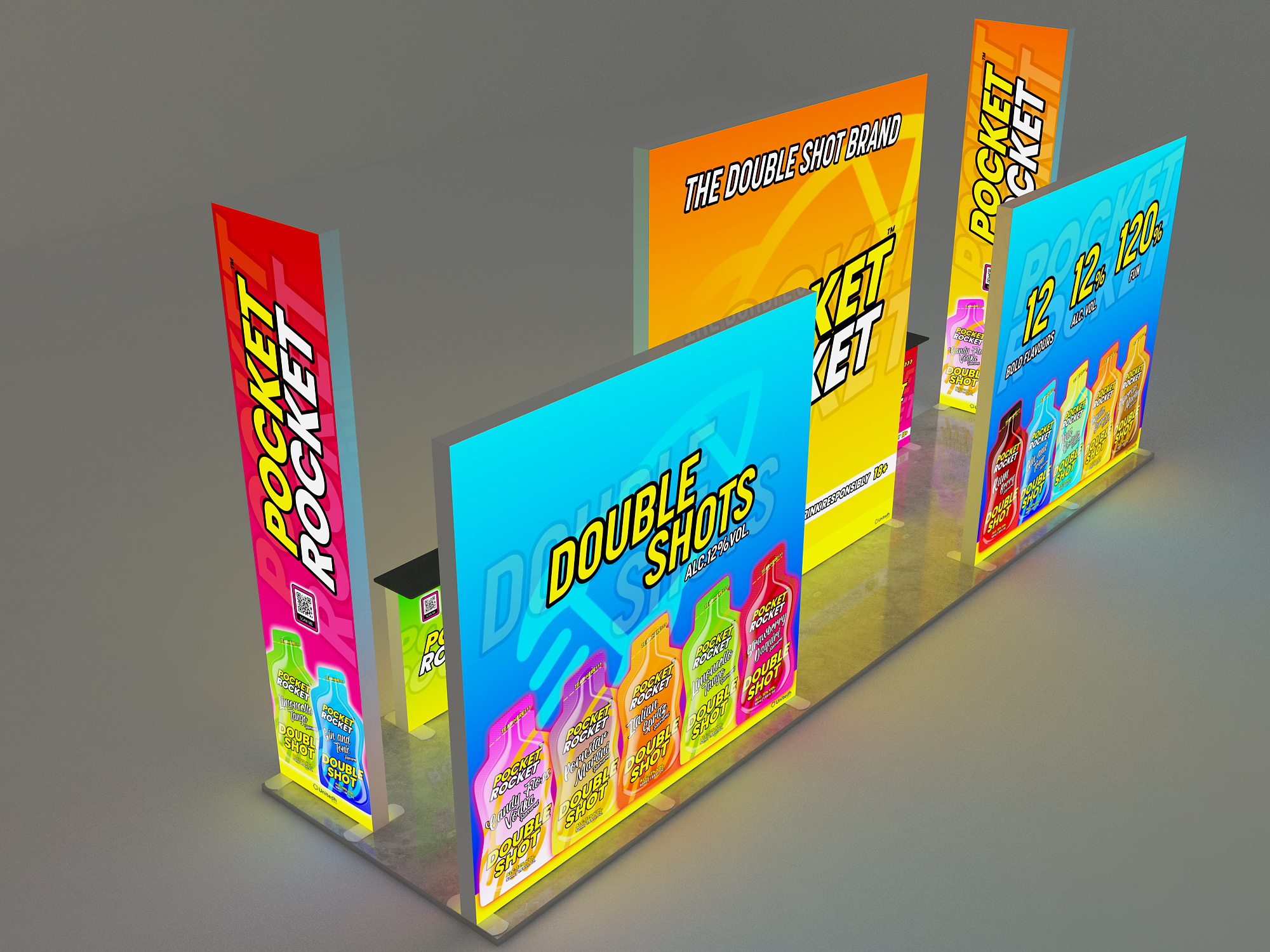
Selecting the right light box for your exhibition booth requires careful evaluation of multiple technical, operational, and financial considerations. Exhibitors often overlook critical factors that directly influence booth visibility, brand perception, and return on investment. Understanding what matters most when purchasing a light box ensures you make an informed decision that aligns with your marketing goals and budget constraints.
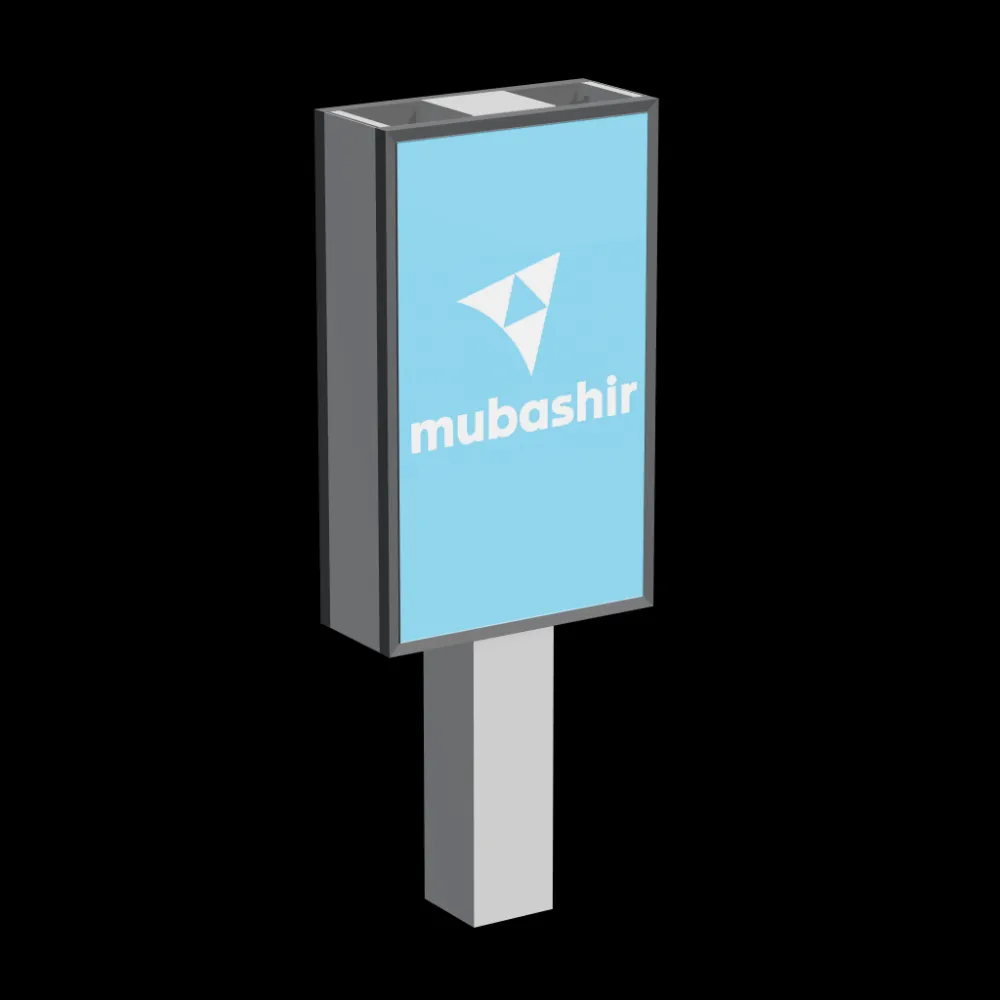
A quality light box serves as a powerful visual asset at trade shows, conferences, and retail environments. When purchasing a light box, exhibitors must balance aesthetics with functionality, considering everything from installation complexity to long-term maintenance requirements. This guide walks through the essential decision-making framework for selecting a light box that delivers measurable results.
Brightness and Light Quality Performance
Evaluating Lumen Output and Color Consistency
Brightness is the foundational specification when purchasing a light box. Measured in lumens, this metric determines whether your graphics remain visible in high-ambient-light environments like exhibition halls. A light box with insufficient brightness becomes washed out and loses its visual impact, while excessive brightness can create uncomfortable glare. Most professional exhibition light box displays operate between 2000 and 5000 lumens, depending on booth size and lighting conditions. When evaluating brightness for your light box, match the lumen rating to your venue's ambient lighting and your graphics' color density.
Color temperature consistency matters equally when selecting a light box. Measured in Kelvin units, color temperature affects how artwork and photographs appear. A 5000K light box produces neutral daylight tones ideal for photography and realistic color representation, while 4000K creates warm white light suitable for brand atmospherics. When purchasing a light box, verify that the manufacturer specifies color temperature uniformity across the entire display area. Uneven color distribution within a light box creates visual inconsistencies that undermine your brand presentation.
Comparing LED Versus Traditional Fluorescent Options
LED technology dominates the modern light box market, but understanding the differences ensures you invest wisely. When purchasing a light box with LED technology, you gain superior energy efficiency, reduced heat output, and longer operational lifespan—often 50,000 hours or more. LED light box systems also respond better to dimming controls and produce instant illumination without warm-up periods. Although LED-based light box options carry higher upfront costs, their energy savings and durability typically deliver lower total cost of ownership over five to seven years. For exhibitors planning multiple event deployments annually, a light box with LED components represents the smarter investment.
Physical Dimensions, Weight, and Portability
Matching Light Box Size to Booth Space and Graphics
Booth space constraints directly influence which light box dimensions work for your exhibition setup. A light box that's too small disappears within your booth environment, while oversized light box installations overwhelm the space and create logistical challenges. Measure your designated booth perimeter carefully and plan sight lines from the main aisle. When selecting a light box, consider whether you need one large display or multiple smaller units arranged strategically. Most exhibition light box displays range from 24 inches to 120 inches in width, with height flexibility depending on your booth design. A light box should occupy approximately 15 to 25 percent of your booth's visual real estate to maintain design balance.
Transportation, Setup, and Storage Logistics
Weight and assembly requirements significantly impact exhibition operations. When purchasing a light box, confirm the total weight including frame, backing, and all components. A light box exceeding 150 pounds requires specialized handling equipment at venue setup, incurring additional labor costs. Modular light box designs that break into smaller sections reduce transport complications and allow easier storage between events. Examine whether your light box requires tools for assembly or ships as a plug-and-play solution. Some light box systems feature magnetic graphic attachment, eliminating the need for specialized installation knowledge. Quick-change light box designs save setup time and reduce on-site labor expenses, making them attractive for exhibitors managing multiple venues annually.
Durability, Maintenance, and Long-Term Value
Build Quality and Material Selection
Exhibition environments demand robust light box construction capable of withstanding repeated assembly cycles and transport stress. When purchasing a light box, inspect the frame material—aluminum frames resist corrosion and maintain structural integrity longer than steel alternatives. The light box backing should provide adequate support without warping after extended use. Verify that your light box manufacturer uses tempered or acrylic diffusers rated for commercial applications. Budget light box options often use thin plastic materials that crack or yellow prematurely, compromising both appearance and light diffusion. Premium light box systems feature reinforced corners, protective edge guards, and weather-resistant seals for outdoor exhibitions.
Replacement Parts Availability and Warranty Coverage
Long-term viability depends on your light box manufacturer's spare parts ecosystem. When selecting a light box, confirm that replacement bulbs, diffusers, and ballasts remain available for at least ten years. Request detailed warranty documentation specifying coverage terms for your light box. Most manufacturers offer one to three-year warranties on light box systems, though premium brands extend coverage to five years. Evaluate whether your light box warranty covers accidental damage or only manufacturing defects. Some light box providers offer extended warranty plans at reasonable cost, protecting against unexpected repair expenses. Maintenance requirements vary by light box model—LED systems require minimal intervention, while older fluorescent light box technology may need ballast replacements every three to five years.
Cost Structure and Return on Investment Analysis
Initial Purchase Price Versus Total Operational Costs
Price comparison for a light box extends beyond the sticker cost. When purchasing a light box, factor in energy consumption, replacement part costs, and annual maintenance expenses. A mid-range light box consuming 200 watts costs approximately $25 to $30 monthly in electricity if displayed continuously. Over five years, operational costs often match or exceed the initial light box purchase price. Calculate your light box's cost per use by dividing total expense by the number of events. If you deploy your light box at twenty events annually, per-event costs become significantly more favorable than single-use applications. Evaluate whether leasing or renting light box displays makes financial sense for occasional exhibitions versus purchasing for frequent deployments.
Brand Reputation and Manufacturer Support
Investing in a light box from established manufacturers typically ensures better long-term support and resale value. When evaluating light box options, research manufacturer track records, customer reviews, and technical support responsiveness. A light box from a reputable supplier includes comprehensive documentation and often provides setup assistance. Lesser-known light box brands may offer lower prices but risk inadequate support when technical issues arise. Consider whether your light box manufacturer provides training for staff who will operate the system regularly. Premium light box providers often bundle consultation services, design guidance, and technical support—factors that justify higher initial investment through smoother operations and faster issue resolution.
FAQ
What brightness level is adequate when purchasing a light box for a typical exhibition booth?
For standard indoor exhibition environments, a light box with 2500 to 3500 lumens typically provides excellent visibility without excessive glare. Your specific light box brightness requirement depends on ambient lighting conditions—outdoor venues or brightly lit halls may require stronger light box output around 4000 to 5000 lumens. Graphics with darker colors often benefit from additional brightness, while lighter graphics appear vivid at lower light box output levels. Test your light box in your actual venue if possible before finalizing a purchase.
How do I determine the ideal light box size for my booth?
Measure your booth width and height, then allocate approximately 20 percent of visual space to your light box display. A light box measuring 6 feet wide by 4 feet tall works well for standard 10-by-10-foot booths, while larger booths can accommodate multiple light box installations. Consider viewing distances—a light box viewed from 15 feet away should be proportionally larger than one viewed from 6 feet. Consult with your exhibit designer about light box proportions relative to other booth elements to maintain visual hierarchy.
Should I purchase or rent a light box for occasional trade show participation?
Renting a light box makes financial sense if you exhibit fewer than four times annually, as rental costs for a light box typically range from $300 to $600 per event. Purchasing a light box becomes economical beyond four annual exhibitions, breaking even within two to three years. Consider storage space requirements when deciding whether to purchase a light box. Renting eliminates maintenance responsibilities and provides access to current light box technology, though purchasing builds permanent assets for your organization.