 EN
EN
 FR
FR DE
DE PT
PT ES
ES AR
AR BG
BG HR
HR CS
CS DA
DA FI
FI NL
NL EL
EL IT
IT JA
JA KO
KO NO
NO PL
PL RO
RO RU
RU SV
SV CA
CA TL
TL IW
IW LV
LV LT
LT SR
SR SK
SK SL
SL ET
ET MT
MT TH
TH FA
FA AF
AF MS
MS SW
SW GA
GA KA
KA
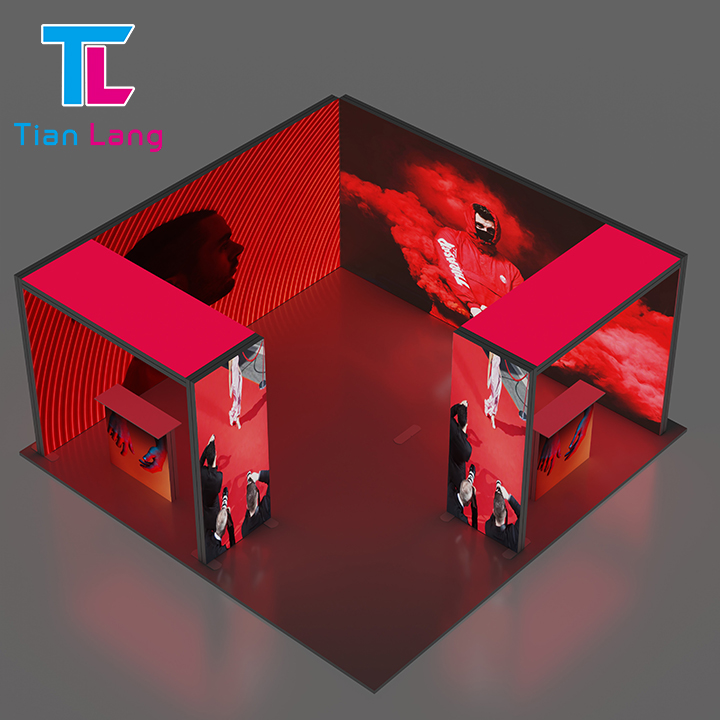
Trade show success depends heavily on capturing attention in a sea of competing displays. A light box serves as one of the most effective tools for commanding attention and making your brand stand out at crowded industry events. When properly deployed, a light box transforms your booth into a visual anchor that draws visitors from across the floor, dramatically improving brand visibility and foot traffic. Understanding how a light box works and why it matters can be the difference between a forgettable booth and one that generates meaningful business conversations.
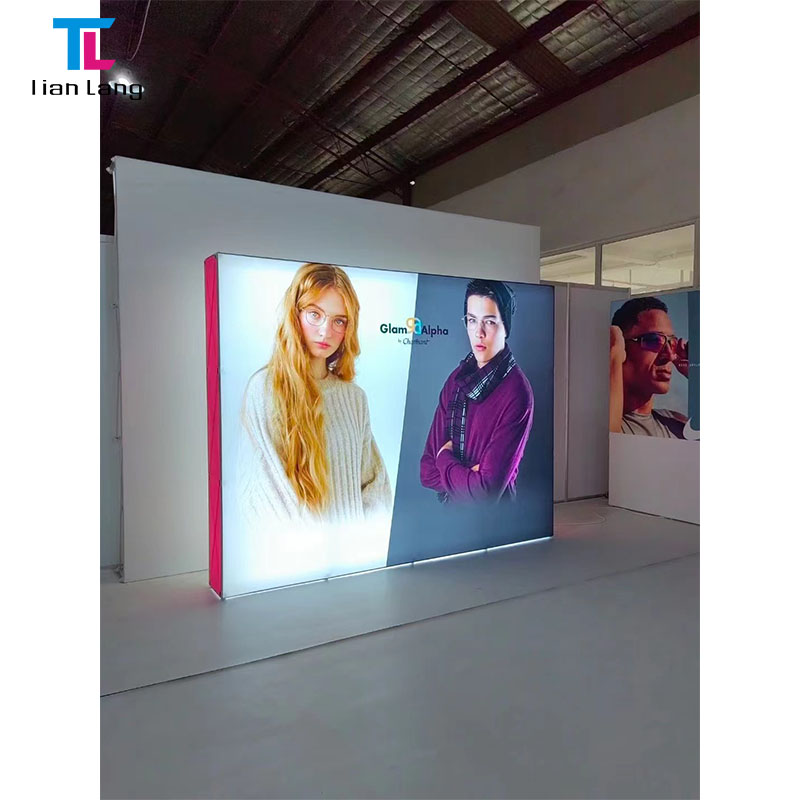
The crowded trade show environment presents a unique visibility challenge. Thousands of exhibitors compete for attendee attention, and most visitors spend only seconds evaluating each booth before moving forward. A light box addresses this challenge directly by using illumination and strategic design to make your booth impossible to ignore. Whether your light box features high-brightness LED technology, custom graphics, or dynamic lighting effects, the underlying principle remains consistent: visual prominence drives brand recall and engagement at trade shows.
The Visual Impact of a Light Box in Trade Show Settings
How Light Boxes Command Attention
A light box operates on a fundamental principle of visual hierarchy and human perception. When surrounded by flat signage and static displays, an illuminated light box naturally attracts the eye because light inherently draws attention. This effect is amplified in exhibition halls where fluorescent overhead lighting creates a uniform environment. A well-designed light box breaks this uniformity by introducing controlled, strategic illumination that makes your branding materials appear brighter, sharper, and more professional than surrounding exhibits.
The color temperature and brightness of your light box matter significantly. A light box that matches your brand colors while maintaining high brightness levels creates both emotional resonance and practical visibility. Visitors can read your messaging from greater distances, which means your light box attracts attention before someone even approaches your booth. This extended visibility radius is crucial in crowded trade show environments where booth space is limited and competition is intense. The psychological impact of light also suggests professionalism and investment in your brand presence, which influences how visitors perceive your company.
Brand Recognition Through Consistent Illumination
A light box provides consistent illumination throughout the multi-day trade show event, maintaining your brand visibility regardless of time of day or surrounding activity. Unlike printed graphics that fade in different lighting conditions, a light box preserves color accuracy and visual impact from opening to closing bell. This consistency reinforces brand recognition among repeat visitors who pass your booth multiple times during the event. When people see your light box repeatedly with the same messaging and visual treatment, brand recall increases substantially.
Trade show visitors often develop mental maps of the exhibition hall, remembering booth locations by visual landmarks. A distinctive light box serves as exactly this kind of landmark, making your booth easier to find and remember. This navigation function multiplies the visibility benefits of your light box, as returning visitors can locate your booth more efficiently and with greater confidence. The combination of visual prominence and locational memorability transforms a light box from a simple display element into a strategic visibility asset.
Strategic Placement and Design Principles for Maximum Visibility
Positioning Your Light Box for Optimal Reach
The placement of your light box within your booth directly affects how many people see it. Mounting a light box at or slightly above eye level ensures visibility for standing visitors, while positioning it prominently at booth entrances captures attention as people approach. A light box positioned too low or too far back loses visibility impact; the best placement balances aesthetic appeal with functional visibility. Corner positions and entrance-facing orientations typically generate the highest visibility in crowded trade show environments where foot traffic flows predictably through aisles.
Size matters when optimizing your light box for trade show visibility. A larger light box occupies more visual real estate in the attendee's field of vision, while a light box that is proportional to your booth space appears professional rather than overwhelming. Most successful trade show exhibitors use a light box sized between two and four meters to create commanding presence without dominating their entire booth layout. The height of your light box also influences visibility; positioning it at the sightline of standing visitors ensures maximum engagement during the initial attention-capture moment.
Messaging and Content Strategy for a Light Box
The content displayed on your light box is as important as the illumination itself. A light box works best when featuring clear, concise messaging that communicates your key value proposition in seconds. At a busy trade show, visitors make split-second decisions about which booths deserve their time; your light box messaging must compel interest instantly. Simple headlines, strong brand logos, and high-contrast imagery perform better than complex narratives or detailed product information on a light box.
Color selection for your light box should align with your brand identity while maximizing contrast against surrounding displays. A light box using brand colors creates immediate visual recognition, while high-contrast combinations like white text on dark backgrounds or vice versa enhance readability from distance. Testing your light box content in a trade show simulation environment helps identify messaging that resonates and ensures your light box performs as intended. The psychological principle of visual salience means your light box should showcase your most memorable brand asset, whether that is your logo, a signature product image, or your brand tagline.
Measuring Trade Show Success Through Light Box Visibility
Capturing Visitor Response and Engagement Metrics
A light box's effectiveness at a trade show can be measured through multiple engagement indicators. Increased booth foot traffic, measured against previous trade shows or competitor benchmarks, provides direct evidence of improved visibility. Visitor comments about how they found your booth often reference distinctive visual elements; a light box that generates spontaneous mentions indicates strong visibility impact. Tracking the source of trade show leads by asking visitors how they identified your booth reveals whether your light box successfully drove initial attention and engagement.
Post-event surveys of both booth visitors and non-visitors provide quantitative evidence of light box impact on brand visibility. Questions about brand recall, booth location memory, and visibility perception directly measure whether your light box achieved its intended purpose. Comparing engagement metrics between trade shows where you used a light box and those where you did not reveals the concrete return on this visibility investment. A light box that increases qualified lead generation or brand awareness metrics has proven its worth in the crowded trade show environment.
Long-Term Brand Building Through Consistent Trade Show Presence
Trade show visibility compounds over time as attendees encounter your light box across multiple events. Industry professionals who see your light box repeatedly develop stronger brand associations and higher purchase intent. A light box becomes part of your brand's visual identity within your industry, creating recognition that extends beyond the trade show itself. This long-term branding value makes a light box investment particularly strategic for companies that exhibit regularly at the same or similar industry events.
The presence of a light box also signals brand investment and market confidence to trade show attendees. Visitors subconsciously interpret well-executed display elements, including illuminated light boxes, as indicators of company stability and market presence. This perception advantage translates into increased credibility during booth conversations and higher likelihood of follow-up engagement after the trade show concludes. For exhibitors seeking to differentiate from competitors and improve overall brand visibility at crowded events, a light box represents a proven visibility strategy with both immediate and lasting benefits.
FAQ
Why do exhibitors use a light box instead of standard printed signs at trade shows?
A light box provides superior visibility through active illumination, whereas printed signs rely on ambient lighting and can fade or become difficult to read depending on exhibition hall lighting conditions. The brightness and consistency of a light box ensure your message remains visible and readable from greater distances across a crowded trade show floor. Additionally, a light box creates a perception of professionalism and market investment that enhances brand credibility compared to standard signage. The psychological impact of light makes a light box an attention-drawing element that passive printed signs simply cannot replicate in a competitive trade show environment.
What size light box works best for typical trade show booths?
Most trade show exhibitors find that a light box sized between 2 to 4 meters provides the optimal balance between visibility impact and booth space utilization. The ideal size depends on your booth dimensions, surrounding booth heights, and trade show layout, but larger light boxes generally improve visibility in crowded environments. A light box that is too small may not capture attention from adequate distances, while one that overwhelms your booth space appears unprofessional. Consulting with trade show designers who specialize in booth layouts helps determine the right light box size for your specific trade show context and visibility objectives.
How long does a light box typically last through multiple trade shows?
Modern LED light boxes are designed for durability and typically last through numerous trade shows when properly maintained. A light box featuring high-quality LED technology and sturdy construction can function reliably for three to five years of regular trade show use with minimal degradation. Maintenance requirements remain minimal; primarily replacing graphics or content as needed while the light box frame and illumination components continue performing. The long operational lifespan of a contemporary light box makes it a cost-effective long-term investment for exhibitors who participate in regular industry trade shows.