 EN
EN
 FR
FR DE
DE PT
PT ES
ES AR
AR BG
BG HR
HR CS
CS DA
DA FI
FI NL
NL EL
EL IT
IT JA
JA KO
KO NO
NO PL
PL RO
RO RU
RU SV
SV CA
CA TL
TL IW
IW LV
LV LT
LT SR
SR SK
SK SL
SL ET
ET MT
MT TH
TH FA
FA AF
AF MS
MS SW
SW GA
GA KA
KA
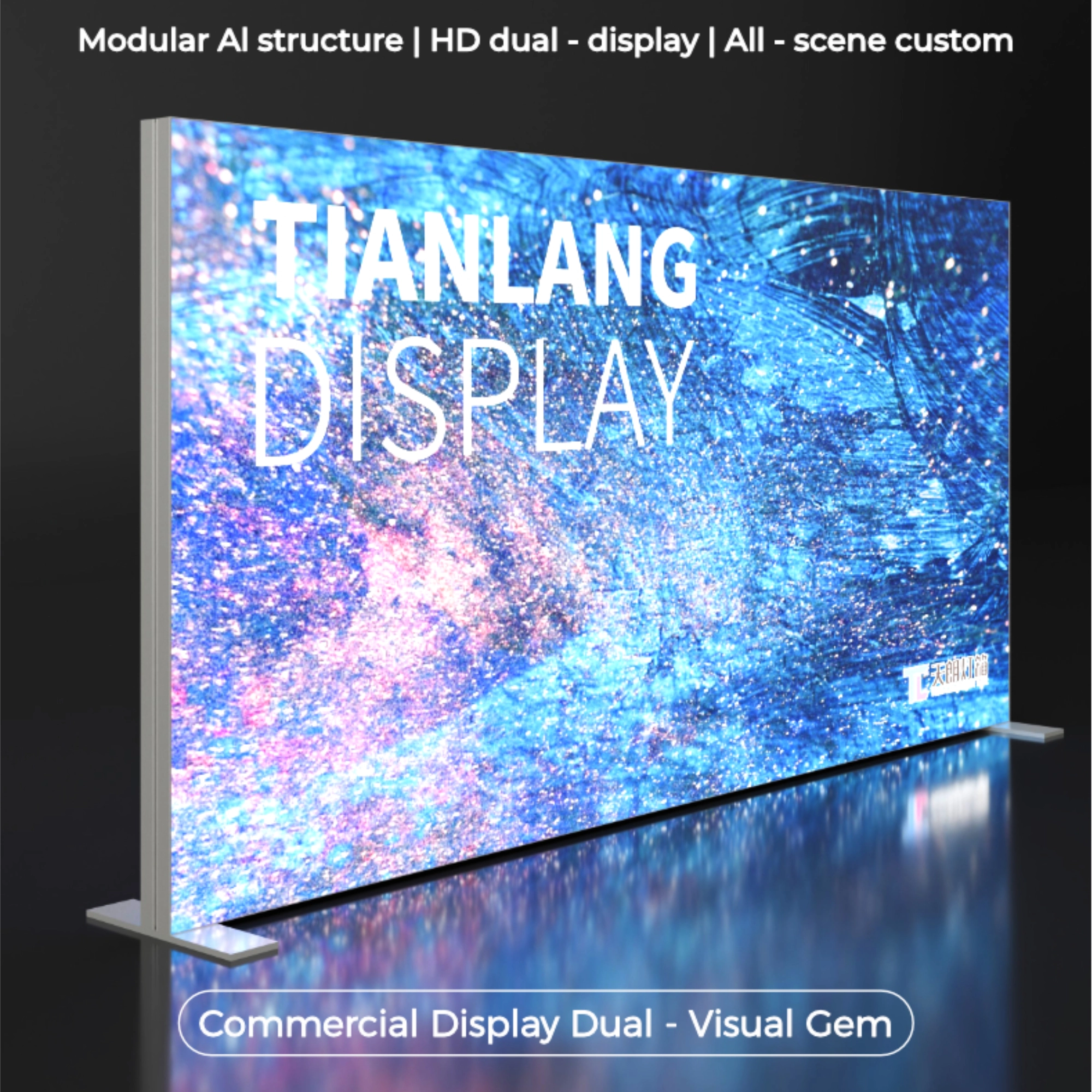
Modern businesses increasingly seek cost-effective ways to enhance their visual advertising and signage without compromising on brightness or quality. LED-edge-lit lightbox technology has emerged as a transformative solution that addresses these challenges head-on. This innovative approach to illumination fundamentally reshapes how companies think about energy consumption, operational budgets, and environmental responsibility in their signage strategies.
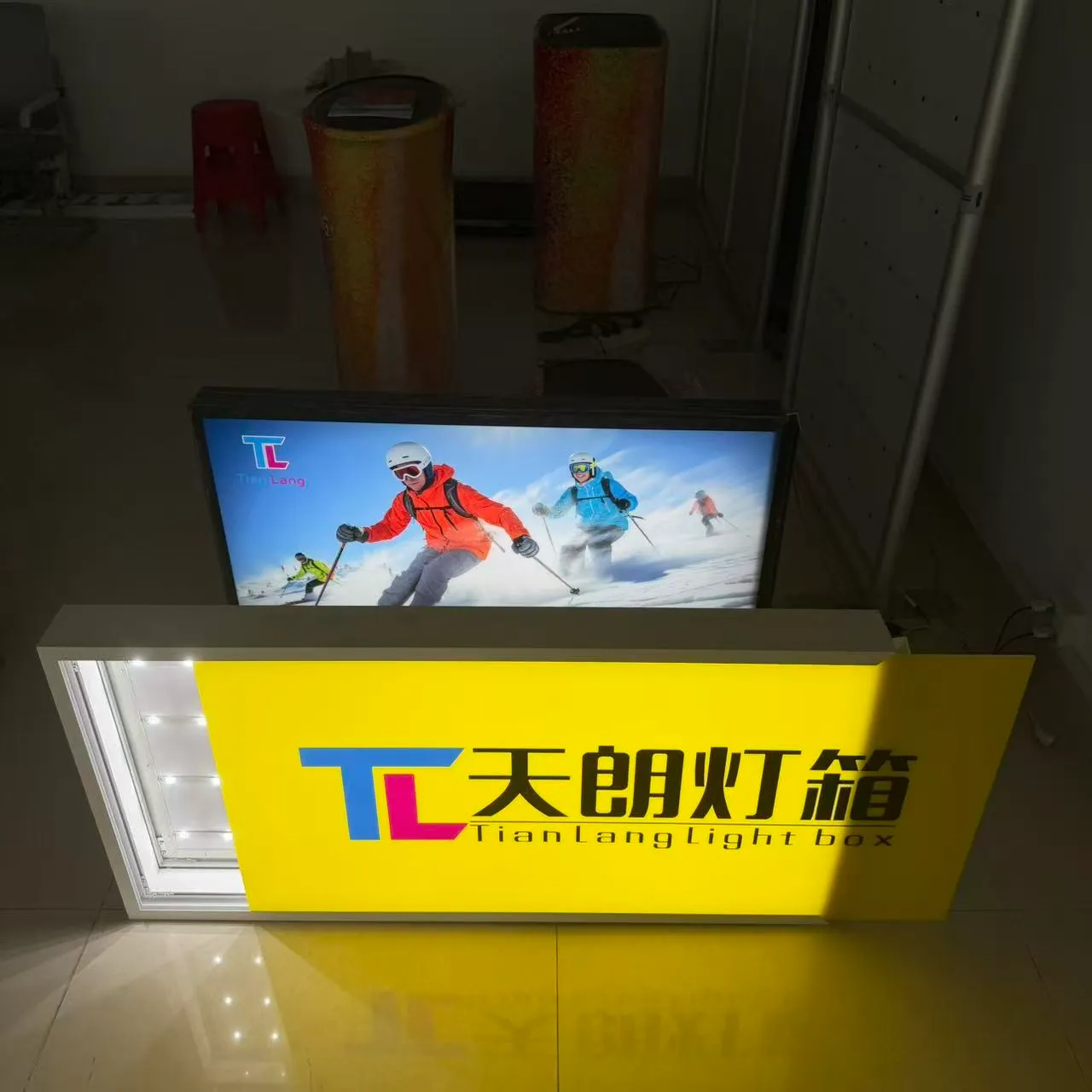
The efficiency gains delivered by LED-edge-lit lightbox technology represent a significant departure from traditional backlighting methods. Unlike conventional systems that rely on fluorescent tubes or scattered LED arrays, LED-edge-lit lightbox technology concentrates light sources strategically along the perimeter of a display panel. This architectural innovation ensures that every photon generated contributes meaningfully to illuminating the display surface, eliminating wasteful scatter and heat loss that plague older technologies.
Understanding LED-Edge-Lit Lightbox Technology Architecture
How LED-Edge-Lit Lightbox Technology Works
LED-edge-lit lightbox technology operates through a carefully engineered optical system where light-emitting diodes are positioned around the edges of a transparent or translucent acrylic panel. This panel, known as a light guide plate, features precisely engineered microscopic structures that redirect and distribute light uniformly across its entire surface. When light from the edge-mounted LEDs enters the light guide plate, these optical structures scatter and guide the light perpendicularly downward, creating an even illumination pattern across the entire display area. The intelligence of LED-edge-lit lightbox technology lies in this uniform distribution mechanism, which eliminates dark spots and ensures consistent brightness from corner to corner.
The engineering precision required for LED-edge-lit lightbox technology demands quality materials and exact dimensional specifications. The thickness of the light guide plate, the density and pattern of the optical elements, and the positioning of LED sources all work together harmoniously. This integrated approach means that LED-edge-lit lightbox technology produces superior light uniformity compared to backlighting methods that rely on diffuse lighting spread across larger surface areas.
Optical Efficiency Mechanisms in LED-Edge-Lit Lightbox Technology
The optical efficiency of LED-edge-lit lightbox technology stems from its focused light delivery system. Traditional backlighting disperses light in all directions, with a significant portion wasted on surfaces that don't contribute to the display illumination. LED-edge-lit lightbox technology minimizes this waste by confining light generation to the edges, allowing the light guide plate to manage all directional guidance. This concentration of light sources dramatically reduces the total lumens required to achieve desired brightness levels, directly translating to lower power consumption and reduced operational costs for businesses maintaining outdoor or indoor signage.
The material science behind LED-edge-lit lightbox technology also enhances its efficiency credentials. High-grade acrylic and polycarbonate light guide plates feature exceptional light transmission properties, meaning minimal light energy is absorbed as heat rather than converted to visible illumination. When combined with modern high-efficiency LEDs that convert electrical current into light with minimal waste, LED-edge-lit lightbox technology achieves overall system efficiency rates that significantly exceed traditional lighting solutions. This synergy between optical design and component selection distinguishes LED-edge-lit lightbox technology as the preferred choice for energy-conscious organizations.
Energy Consumption Advantages of LED-Edge-Lit Lightbox Technology
Power Reduction and Operational Savings
Organizations implementing LED-edge-lit lightbox technology typically observe 60 to 80 percent reductions in electricity consumption compared to fluorescent or traditional LED backlighting systems. This dramatic decrease occurs because LED-edge-lit lightbox technology requires substantially fewer light sources to achieve equivalent or superior brightness levels. A standard LED-edge-lit lightbox technology installation measuring 4 feet by 8 feet might require only 20 to 30 watts of power, while comparable traditional systems demand 100 to 150 watts or more. These differences multiply across months and years of continuous operation, generating substantial cost savings that directly impact profitability and sustainability metrics.
The financial implications of LED-edge-lit lightbox technology adoption extend beyond immediate electricity savings. Reduced power consumption decreases the load on electrical infrastructure, potentially lowering utility rate classifications for commercial facilities. Additionally, LED-edge-lit lightbox technology generates minimal heat compared to alternative systems, reducing demand on air conditioning systems during warm months. These secondary savings compound the primary energy advantages, making LED-edge-lit lightbox technology an economically rational choice for businesses managing multiple signage installations.
Lifespan and Maintenance Cost Reduction
LED-edge-lit lightbox technology components, particularly the LEDs themselves, typically maintain performance for 50,000 to 100,000 operating hours before requiring replacement. This exceptional lifespan dramatically exceeds fluorescent tubes, which typically fail after 8,000 to 15,000 hours. The extended operational life of LED-edge-lit lightbox technology reduces maintenance labor costs, minimizes service disruptions, and lowers replacement material expenses over multi-year periods. For retailers, advertising agencies, and hospitality venues operating signage continuously, these lifespan advantages translate into reduced total cost of ownership and more predictable budget planning.
The reliability profile of LED-edge-lit lightbox technology also encompasses improved durability against environmental stresses. LEDs generate minimal heat, reducing thermal cycling stresses that degrade component connections and optical materials over time. This thermal stability means LED-edge-lit lightbox technology installations experience fewer premature failures caused by expansion and contraction cycles. Consequently, facilities deploying LED-edge-lit lightbox technology enjoy more consistent performance and longer intervals between maintenance interventions.
Environmental and Strategic Benefits of LED-Edge-Lit Lightbox Technology
Carbon Footprint Reduction Through LED-Edge-Lit Lightbox Technology
The environmental case for LED-edge-lit lightbox technology rests on its dramatically reduced electricity consumption throughout its operational lifespan. A single LED-edge-lit lightbox technology installation operating 16 hours daily for five years might prevent the generation of 10 to 15 tons of carbon dioxide compared to equivalent fluorescent systems, depending on regional energy generation sources. For organizations maintaining dozens or hundreds of illuminated signs, the cumulative environmental impact of switching to LED-edge-lit lightbox technology reaches thousands of tons of prevented carbon emissions. This measurable environmental benefit aligns with corporate sustainability commitments and enhances brand reputation among environmentally conscious consumers.
Beyond direct carbon reduction, LED-edge-lit lightbox technology supports circular economy principles through its extended operational life and recyclability. The higher upfront investment in LED-edge-lit lightbox technology is offset by its longevity and lower replacement frequency, reducing overall material waste throughout the product lifecycle. When LED-edge-lit lightbox technology installations eventually reach end-of-life status, their components—particularly the aluminum frames and acrylic panels—are readily recyclable through established material recovery streams, minimizing landfill impact.
Strategic Competitive Advantages
Businesses adopting LED-edge-lit lightbox technology gain strategic advantages beyond mere cost reduction. Enhanced brightness and color quality from LED-edge-lit lightbox technology create more visually compelling signage that attracts customer attention more effectively than older systems. This superior visual performance means businesses can achieve advertising objectives with smaller physical installations, reducing real estate requirements and associated costs. The combination of energy efficiency, enhanced visual quality, and compact installation footprint positions LED-edge-lit lightbox technology as the intelligent choice for forward-thinking organizations optimizing their operational efficiency.
Furthermore, LED-edge-lit lightbox technology aligns facility operations with evolving energy efficiency regulations and green building certifications. LEED certification, ISO 14001 environmental standards, and similar frameworks increasingly favor technologies like LED-edge-lit lightbox technology that demonstrate measurable environmental performance. Organizations implementing LED-edge-lit lightbox technology strengthen their compliance posture while simultaneously improving financial metrics, creating a rare scenario where environmental responsibility and business profitability advance together.
FAQ
How much energy does LED-edge-lit lightbox technology actually save compared to fluorescent systems?
LED-edge-lit lightbox technology typically reduces energy consumption by 60 to 80 percent compared to fluorescent backlighting systems of equivalent brightness. A 4-by-8-foot LED-edge-lit lightbox technology installation consumes approximately 20 to 30 watts, while comparable fluorescent systems demand 100 to 150 watts. These reductions translate directly into lower electricity bills, with savings accelerating across multiple installations or extended operational periods.
What is the typical lifespan of LEDs used in LED-edge-lit lightbox technology installations?
LED-edge-lit lightbox technology incorporates LEDs engineered for 50,000 to 100,000 operating hours before brightness degradation becomes noticeable. This exceptional lifespan substantially exceeds fluorescent tubes, which typically fail after 8,000 to 15,000 hours. The extended operational life of LED-edge-lit lightbox technology reduces maintenance frequency and replacement costs, contributing significantly to overall cost savings throughout the installation's lifecycle.
Are there environmental certifications or standards associated with LED-edge-lit lightbox technology?
LED-edge-lit lightbox technology qualifies for multiple environmental and efficiency certifications, including LEED credits for energy efficiency and reduced operational carbon emissions. The technology supports compliance with ISO 14001 environmental management standards and contributes to Energy Star portfolio optimization for organizations managing multiple facilities. Choosing LED-edge-lit lightbox technology strengthens environmental credentials while meeting increasingly stringent regulatory requirements for commercial signage and display systems.