 EN
EN
 FR
FR DE
DE PT
PT ES
ES AR
AR BG
BG HR
HR CS
CS DA
DA FI
FI NL
NL EL
EL IT
IT JA
JA KO
KO NO
NO PL
PL RO
RO RU
RU SV
SV CA
CA TL
TL IW
IW LV
LV LT
LT SR
SR SK
SK SL
SL ET
ET MT
MT TH
TH FA
FA AF
AF MS
MS SW
SW GA
GA KA
KA
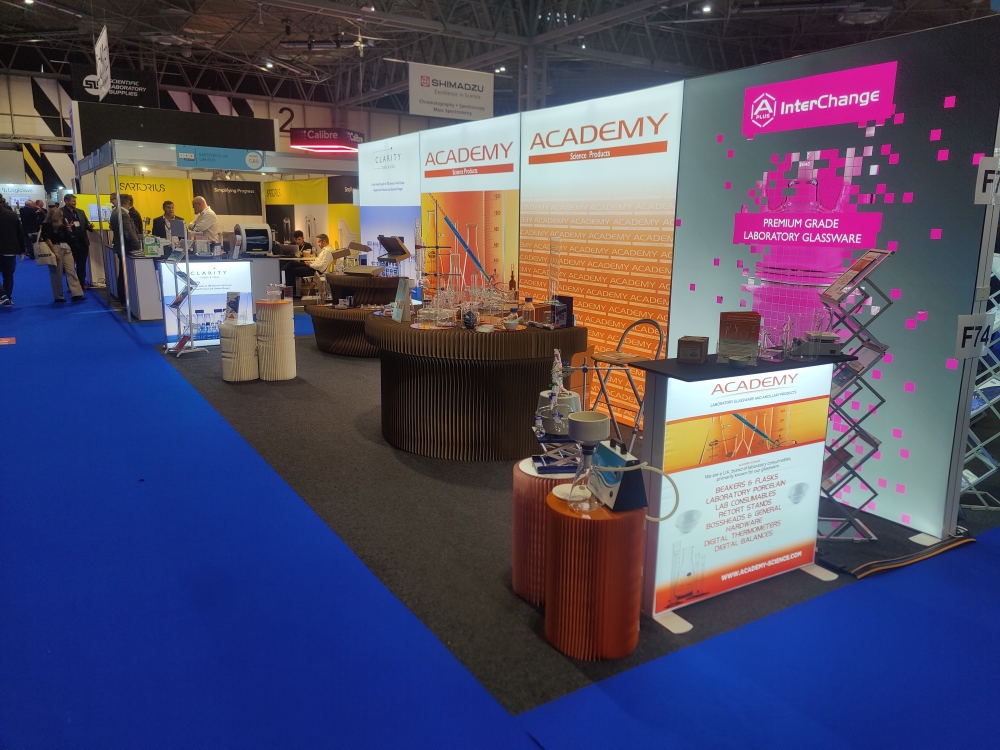
Trade show exhibitors face mounting pressure to deliver impressive booth presence while managing tight installation schedules. When you work with a pop up display system, you gain a practical solution that transforms how quickly and efficiently your team can establish a professional presence on the exhibition floor. A pop up display combines portability with structural integrity, allowing exhibitors to move from transportation to fully operational booth in minutes rather than hours. This efficiency matters especially when your team arrives late, faces unexpected venue delays, or must reconfigure the booth layout on short notice.
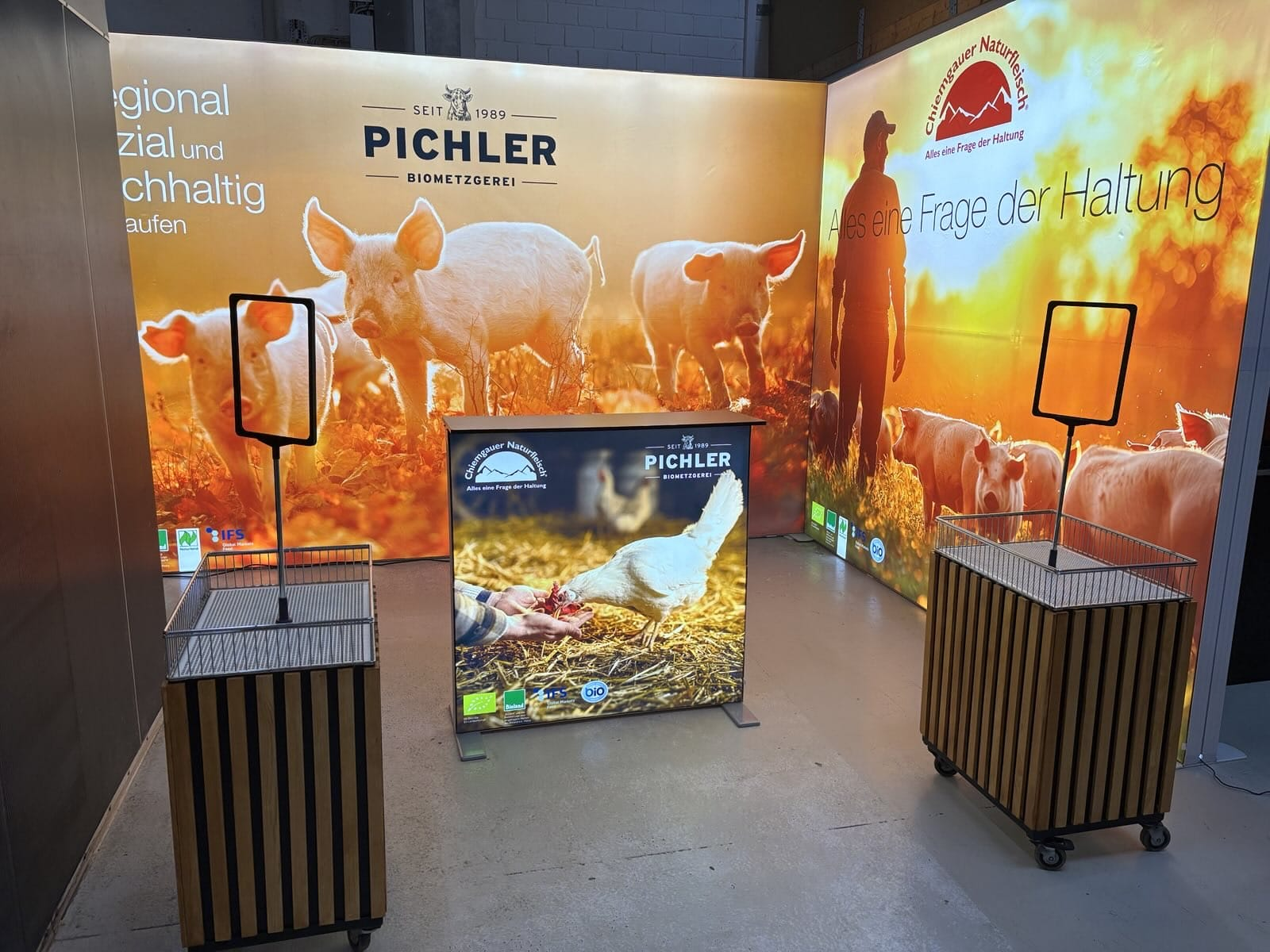
The core advantage of a pop up display lies in its engineered simplicity. Unlike traditional booth systems requiring specialized technicians, multiple assembly stages, and extensive tools, a pop up display uses intuitive mechanical design that trained staff members can handle independently. Most modern pop up display solutions incorporate spring-loaded mechanisms, magnetic connections, and modular frame components that guide users toward correct assembly without confusion. This design philosophy means your on-site team spends less time troubleshooting and more time perfecting graphics alignment, lighting placement, and product staging.
Understanding Pop Up Display Mechanics
Frame Architecture and Assembly Logic
A pop up display typically uses an aluminum tube frame with integrated spring mechanisms that expand from a compact case into a rigid booth structure. When you extract the pop up display components, the frame sections automatically begin extending to their preset positions. The aluminum material provides lightweight portability without sacrificing structural strength needed for stability under exhibition conditions. Each pop up display frame segment connects through precision-engineered joints that maintain alignment automatically, eliminating the need for manual frame-squaring tools or complex calibration procedures.
The fabric graphic panels attach to a pop up display frame through magnetic strips or clip systems rather than requiring sewn seams or custom fitting. This approach allows your team to swap graphics between events or update branding elements without replacing the entire pop up display system. The consistent frame dimensions mean replacement fabric graphics fit perfectly, reducing waste and extending the operational life of your booth infrastructure. Many exhibitors discover that modular pop up display designs lower their total cost of ownership compared to custom-built alternatives.
Graphic Integration and Visual Impact
When designing graphics for your pop up display, understanding the frame dimensions ensures seamless visual presentation across all booth faces. A pop up display frame typically features flat surfaces specifically engineered to hold graphic panels under consistent tension, preventing wrinkles and creasing that diminish visual impact. The graphic attachment method on a pop up display determines installation difficulty and adjustment capability during setup. Premium pop up display systems incorporate tension-control features that allow minor graphic adjustments without full disassembly, accommodating field corrections and ensuring polished appearance even after transportation.
Installation Process and Time Efficiency
Step-by-Step Setup Workflow
Setting up a pop up display follows a straightforward sequence that minimizes decision points and reduces error potential. Your team first extracts the pop up display frame sections from their protective carrying case, positioning them on the exhibition floor in the planned booth layout. The frame components begin their automatic expansion once released from the carrying case compression, with most pop up display systems reaching full extension within two to three minutes. Your staff then installs the graphic panels by aligning them with magnetic strips or alignment guides integrated into the pop up display structure, a process requiring minimal training or technical expertise.
A properly designed pop up display typically becomes fully operational within fifteen to thirty minutes from case opening, accounting for graphic panel positioning and final visual verification. This rapid deployment capability means your exhibiting team can focus attention on product arrangement, literature staging, and technology setup rather than wrestling with frame assembly. Many exhibitors report that pop up display installation consumes so little time that booth personnel can arrive just hours before the exhibition opens without compromising presentation quality. This flexibility proves invaluable when managing complex multi-event seasons or unexpected scheduling changes.
On-Site Troubleshooting and Adjustments
Because a pop up display uses mechanical simplicity rather than complex engineering, troubleshooting requires minimal specialized knowledge. Common setup challenges with pop up display systems typically involve graphic panel alignment, which your team can address through simple adjustments without disassembling the frame. The magnetic connection points on many pop up display models allow repositioning graphics by incremental movements, enabling field-level corrections during exhibition hours. If a graphic panel arrives damaged, replacing it on your pop up display takes minutes, minimizing downtime and maintaining your booth's visual impact throughout the event.
Space Efficiency and Portability Benefits
Shipping and Storage Advantages
A pop up display compresses into a compact carrying case that fits standard transportation containers and storage facilities. For exhibitors managing multiple events across different venues, the reduced shipping volume directly lowers logistics costs compared to bulky traditional booth systems. Your pop up display, when properly packed, occupies roughly one-tenth the floor space of an erected booth, making it feasible to transport units between events using standard vehicles. This portability eliminates dependency on specialized freight services, providing scheduling flexibility and reducing exhibition-related expenses that typically strain marketing budgets.
Storage requirements for a pop up display remain minimal, allowing smaller companies to maintain booth infrastructure without renting expensive climate-controlled warehouse space. The durable aluminum frame resists corrosion and aging, meaning your pop up display performs consistently across multiple seasons without degradation. This longevity, combined with the simple carrying-case design, makes pop up display systems particularly appealing to organizations managing limited physical infrastructure or operating from shared office environments.
Versatility Across Different Booth Footprints
Modular pop up display systems allow configuration adjustments based on booth size allocations and floor plan requirements. If you receive a smaller booth space than anticipated, your pop up display components can often reconfigure into a reduced-footprint arrangement without requiring additional equipment or creative compromises. This adaptability means your pop up display investment provides value across different exhibition scenarios rather than locking you into a single booth dimension. Exhibitors frequently discover that modular pop up display designs support both intimate booth configurations and larger-scale installations by simply adjusting component quantities.
Practical Implementation for Exhibitor Teams
Training and Knowledge Transfer
Because a pop up display operates on intuitive mechanical principles, training your team requires minimal time investment compared to complex booth systems. Most staff members can master pop up display assembly after observing a single setup cycle, with reinforcement through simple printed guides or short video demonstrations. This accessibility means temporary exhibition staff or rotating team members can contribute to booth setup without extensive preparation or specialized expertise. Your investment in pop up display training pays dividends across multiple events as team members retain knowledge and develop efficiency through repeated use.
Documenting your pop up display setup process through photographs or brief checklists creates institutional knowledge that persists even when team composition changes. New exhibitors joining your organization can review established pop up display procedures and become productive contributors immediately. This documentation approach prevents recurrent training expenses and ensures consistent booth presentation quality regardless of personnel variations. Many companies discover that the operational simplicity of a pop up display actually strengthens their exhibition processes by reducing training overhead.
Budget and Resource Considerations
Initial investment in a quality pop up display typically costs less than custom-built booth systems while delivering comparable or superior visual impact. Your pop up display purchase represents a multi-event asset that depreciates slowly given the durable aluminum construction and modular design philosophy. The reduced shipping costs, minimal setup labor requirements, and extended operational lifespan mean your pop up display achieves favorable cost-per-event metrics compared to alternative booth approaches. Budget-conscious exhibitors frequently discover that pop up display systems provide the highest return on exhibition investment while maintaining professional presentation standards.
FAQ
How quickly can a team set up a pop up display without prior experience?
Most pop up display systems achieve functional setup within twenty to thirty minutes when your team follows basic assembly sequences. The automatic frame expansion mechanisms on a pop up display eliminate complex manual configuration steps, allowing inexperienced staff to manage installation successfully. Your first pop up display setup may require additional time for familiarization, but subsequent events typically proceed faster as team members develop procedural confidence and muscle memory with the pop up display system.
Can a pop up display accommodate graphic changes or custom branding between events?
Yes, most pop up display systems feature modular graphic attachment methods that allow panel replacement without altering the frame structure. Your pop up display can transition between different branding approaches simply by switching fabric graphic panels, making it adaptable to seasonal campaigns or event-specific messaging. This flexibility means your pop up display investment continues serving evolving marketing needs without requiring complete replacement or expensive modifications.
What physical space requirements does a pop up display need during storage?
A standard pop up display compresses into a carrying case roughly the size of a large suitcase, requiring minimal storage footprint compared to traditional booth systems. Your pop up display can fit in standard office closets, vehicle storage compartments, or compact warehouse shelving, eliminating the need for expensive dedicated facility space. This practical storage efficiency makes pop up display ownership accessible to small and mid-size exhibitors without substantial facility infrastructure.