 EN
EN
 FR
FR DE
DE PT
PT ES
ES AR
AR RU
RU

Modular trade show booth systems have fundamentally transformed how companies approach exhibition marketing and brand visibility. Instead of investing in custom-built, single-use structures, organizations increasingly recognize that a strategic trade show booth investment can span multiple events, reducing per-event costs significantly. The question facing many marketing and procurement teams is whether modular trade show booth solutions truly deliver better financial outcomes compared to traditional alternatives, and under what circumstances this investment strategy makes the most sense.
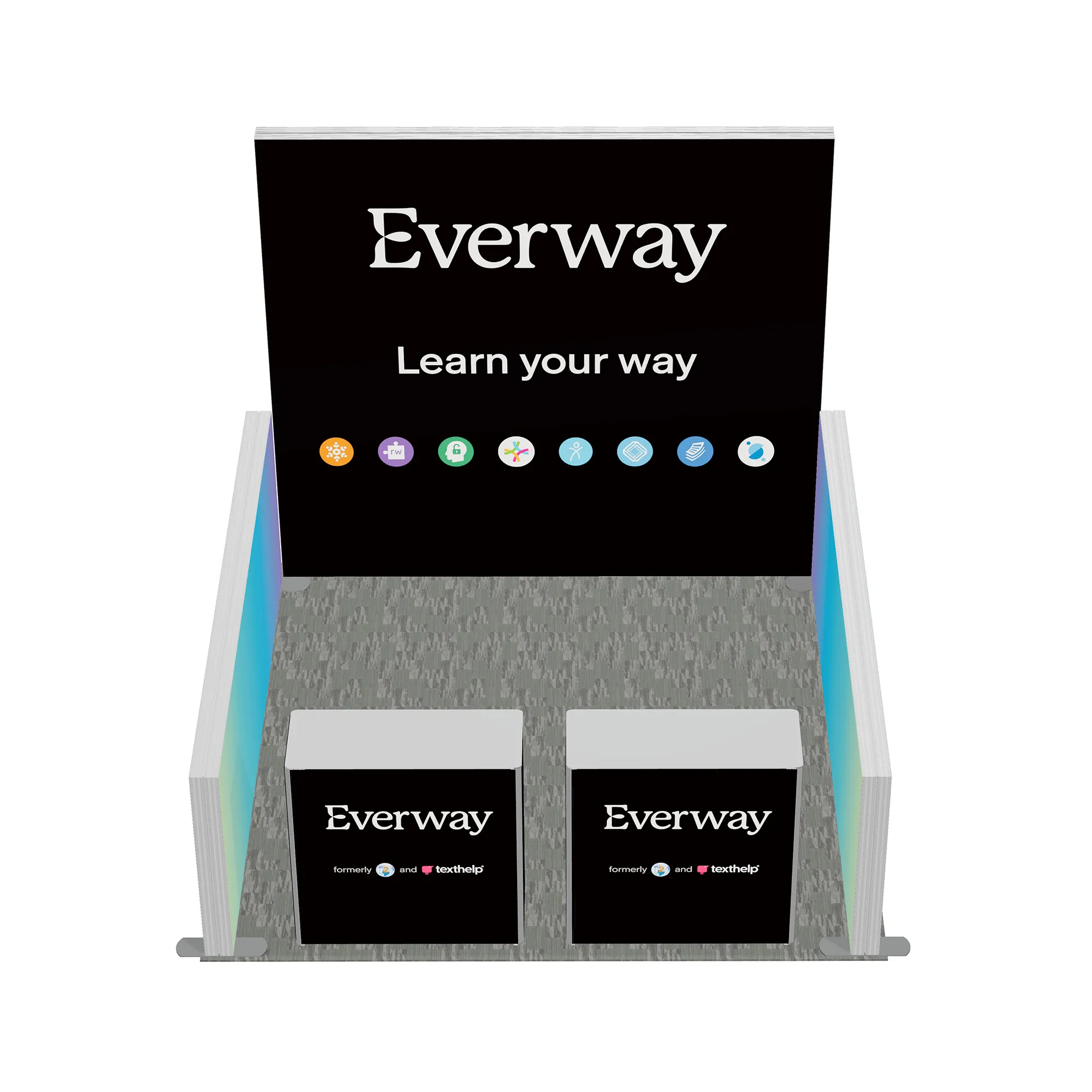
The economic case for modular trade show booth systems rests on a simple but powerful principle: amortization across multiple uses. A well-designed trade show booth built from modular components can be reconfigured, reused, and adapted for different events, venues, and messaging without requiring a complete redesign or rebuild. This flexibility directly translates to cost savings that accumulate over time, making the initial investment more economically rational than buying new booths repeatedly.
Understanding the Financial Model Behind Modular Trade Show Booth Systems
Initial Investment Versus Long-Term Deployment Costs
A modular trade show booth typically requires a higher upfront capital commitment than renting a single-use booth for one event. However, this initial expense becomes cost-effective when you calculate the total cost of ownership over multiple years. Consider a company planning to exhibit at three to five major trade shows annually. A custom-built trade show booth for a single event might cost $15,000 to $25,000 and is often discarded afterward. A modular trade show booth system might cost $30,000 to $50,000 initially but can serve that same company for five to eight years with minimal additional expenditure beyond shipping and storage.
The financial breakeven point for a trade show booth system typically occurs between the third and fifth deployment, depending on the booth's size, complexity, and material quality. Companies exhibiting at multiple events annually reach profitability faster because they spread fixed costs across more exposures. Additionally, a trade show booth designed for reuse often requires lower maintenance and repair costs because manufacturers build them with durability and modular replacement of components in mind.
Hidden Cost Factors That Favor Modular Trade Show Booth Solutions
Beyond direct construction costs, traditional one-time trade show booth approaches incur numerous hidden expenses. Disposal and recycling of old booths, custom design fees for each event, rush production charges, storage issues when booths are discarded, and the logistical friction of coordinating different vendors for each trade show booth create cumulative overhead. A modular trade show booth consolidates these costs into predictable, manageable categories. Reconfiguring a trade show booth for a new event is significantly faster and cheaper than designing one from scratch, and storage becomes a one-time investment in appropriate facilities rather than an ongoing challenge.
Identifying When Modular Trade Show Booth Systems Deliver Maximum ROI
Company Size, Exhibition Frequency, and Industry Context
Modular trade show booth systems are most cost-effective for mid-market and enterprise companies that participate in multiple exhibitions annually. A manufacturer attending four to six industry trade shows per year benefits substantially from a reusable trade show booth because the amortized cost per event drops dramatically. In contrast, a company exhibiting at only one trade show booth event yearly or every other year may find the upfront investment harder to justify, though even occasional exhibitors sometimes discover that the flexibility of a modular trade show booth makes sense for secondary events or smaller regional shows.
Certain industries experience stronger ROI from modular trade show booth investment due to higher exhibition frequency and longer booth lifecycles. Technology, industrial manufacturing, construction equipment, business services, and pharmaceutical sectors typically benefit because these industries maintain robust trade show marketing calendars. A trade show booth in these sectors often needs to communicate complex information, showcase demonstrations, or accommodate client meetings, making a well-designed modular trade show booth particularly valuable. The ability to upgrade messaging, swap out graphics, or reconfigure the floor plan without replacing the entire trade show booth aligns perfectly with rapid product evolution in these sectors.
Scenario-Based Cost Comparison Framework
Companies should evaluate whether a modular trade show booth makes sense by comparing their specific situation against clear scenarios. For a company expecting to attend the same trade show booth event annually with similar messaging and layout needs, a modular trade show booth typically breaks even in cost within two to three years and generates 40 to 60 percent cost savings over a five-year period. For companies exhibiting at diverse trade shows with different sizes, layouts, and target audiences, a modular trade show booth system designed with flexible components delivers even higher savings because reconfiguration replaces complete rebuilds.
The cost advantage of a trade show booth system becomes marginal for companies exhibiting infrequently, at very large flagship events where a custom trade show booth might be the only appropriate option, or in sectors where booth imagery and messaging require complete overhauls between years. However, even in these scenarios, many companies find value in owning a modular trade show booth for smaller secondary events while maintaining a custom trade show booth for their flagship show, creating a portfolio approach that optimizes both cost and impact.
Practical Implementation Considerations and Strategic Advantages Beyond Cost
Design Flexibility and Rapid Deployment Benefits
Beyond immediate cost reduction, a modular trade show booth provides strategic flexibility that translates into indirect financial benefits. The ability to modify a trade show booth's layout, graphics, lighting, and components between events means companies can respond quickly to market changes, product updates, and competitive pressures without waiting for custom manufacturing. This agility reduces time-to-market for new messaging and allows marketing teams to test booth layouts and engagement strategies across multiple events without risking large capital losses on failed experiments.
A quality trade show booth system includes standardized components that integrate easily, allowing internal teams to manage modifications without outsourcing to specialized booth builders. This internal control reduces dependencies on external vendors, eliminates communication delays, and empowers marketing teams to iterate quickly. Companies that understand their trade show booth's modular architecture can swap graphics, reconfigure shelving, adjust lighting, and update messaging within hours rather than weeks, supporting a more responsive marketing cadence.
Environmental and Brand Consistency Benefits
Investing in a durable, reusable modular trade show booth aligns with corporate sustainability goals while reducing the brand damage associated with disposable marketing infrastructure. Companies increasingly market themselves as environmentally conscious, and owning a trade show booth that serves for five to eight years generates credibility that aligns actions with messaging. Additionally, consistency matters in brand recognition; a recognizable trade show booth that appears across multiple events builds familiarity and reinforces brand identity more effectively than a different custom booth for each show.
FAQ
How many times must a company use a modular trade show booth for the investment to break even?
Most companies break even on a modular trade show booth investment between the third and fifth use, depending on the booth's initial cost, quality level, and ongoing maintenance expenses. A company exhibiting at three trade shows annually reaches breakeven within twelve to twenty months, while a company with one to two annual trade show booth appearances breaks even within two to three years. After breakeven, each subsequent use of the trade show booth generates primarily variable costs such as shipping, setup labor, and minor maintenance, making later deployments substantially cheaper than custom alternatives.
Can a modular trade show booth adapt to different trade show venue sizes and configurations?
Yes, well-designed modular trade show booth systems include scalable components that adapt to different booth spaces, from small 10-by-10-foot regional trade show booth footprints to larger 20-by-20-foot international exhibitions. Modular trade show booth systems typically offer configurable wall panels, adjustable shelving, removable graphics, and flexible lighting that combine to create different layouts. However, companies should verify that their trade show booth system includes sufficient flexibility for their specific exhibition needs; some modular systems work best for consistent booth sizes while others offer broader adaptability.
What maintenance and storage costs should companies budget for a reusable trade show booth?
Annual maintenance and storage costs for a modular trade show booth typically range from $2,000 to $6,000 annually, depending on booth size, materials, and storage facility location. Professional climate-controlled storage prevents damage from moisture and temperature fluctuations, protecting the trade show booth investment. Routine maintenance includes cleaning, inspection of connectors and components, graphic refreshing, and minor repairs. These ongoing costs remain significantly lower than the per-event expense of sourcing new custom booths, making the total cost of ownership for a trade show booth system highly favorable over five-year or longer timeframes.