 EN
EN
 FR
FR DE
DE PT
PT ES
ES AR
AR RU
RU

What are the Best Practices for Maintaining Exhibition Light Boxes?
Exhibition light boxes have become indispensable tools for modern trade shows, retail displays, and promotional events. These illuminated displays offer superior visibility and professional presentation that can make or break your marketing efforts. However, like any sophisticated display equipment, exhibition light boxes require proper maintenance to ensure optimal performance and longevity. Understanding the correct maintenance procedures not only protects your investment but also guarantees consistent, high-quality visual impact at every event.
The maintenance of exhibition light boxes encompasses multiple critical aspects, from LED component care to frame preservation and graphic material handling. Professional exhibitors who implement systematic maintenance routines often report significantly longer equipment lifespans and reduced replacement costs. These practices become even more crucial when considering the demanding environments where exhibition light boxes typically operate, including high-traffic venues, varying temperature conditions, and frequent assembly and disassembly cycles.
Modern exhibition light boxes incorporate advanced LED technology, aluminum framing systems, and specialized graphic materials that each require specific maintenance approaches. The integration of these components creates a sophisticated display system that delivers exceptional visual results when properly maintained. Neglecting any aspect of maintenance can compromise the entire system's performance and create costly repair situations or premature replacements.
Essential Cleaning and Care Procedures
LED Light System Maintenance
The LED lighting system forms the heart of exhibition light boxes and requires careful attention to maintain optimal illumination quality. Regular cleaning of LED strips prevents dust accumulation that can reduce light output and create uneven illumination patterns. Use compressed air or soft brushes to remove debris from LED components, ensuring power is disconnected before any cleaning activities. This preventive maintenance approach significantly extends LED lifespan and maintains consistent color temperature across the display surface.
Temperature management plays a crucial role in LED longevity within exhibition light boxes. Ensure adequate ventilation around the light box during operation and avoid blocking any cooling vents. Monitor operating temperatures, especially in enclosed booth spaces or under direct sunlight, as excessive heat can degrade LED performance and reduce component lifespan. Consider using temperature monitoring devices for valuable exhibition light boxes that operate in challenging environments.
Power supply components require periodic inspection to identify potential issues before they cause system failures. Check all electrical connections for signs of corrosion, loose contacts, or damage. Replace any worn power cables or connectors immediately to prevent safety hazards and ensure reliable operation. Document power supply specifications and replacement intervals to maintain comprehensive maintenance records for your exhibition light boxes.
Frame and Housing Care
Aluminum frames used in exhibition light boxes benefit from regular cleaning with mild detergents and soft cloths to maintain their professional appearance. Avoid abrasive cleaners or scrubbing materials that could scratch or damage the frame finish. Pay special attention to corner joints and locking mechanisms, as these areas often accumulate dirt and debris that can affect assembly and disassembly procedures. Lubricate moving parts with appropriate materials to ensure smooth operation during setup and breakdown processes.
Inspect frame components for signs of wear, damage, or deformation that could compromise structural integrity. Small dents or scratches can often be addressed through professional refinishing services, while more significant damage may require component replacement. Maintain spare parts inventory for critical components to minimize downtime during events. The modular nature of quality exhibition light boxes makes component replacement straightforward when proper maintenance protocols are followed.
Storage conditions significantly impact frame longevity and performance. Store exhibition light boxes in clean, dry environments with stable temperatures to prevent corrosion and material degradation. Use protective cases or covers during transport and storage to shield frames from physical damage. Proper storage practices can extend the usable life of exhibition light boxes by preventing unnecessary wear and environmental damage.
Graphic Material Management
Textile and Fabric Graphics
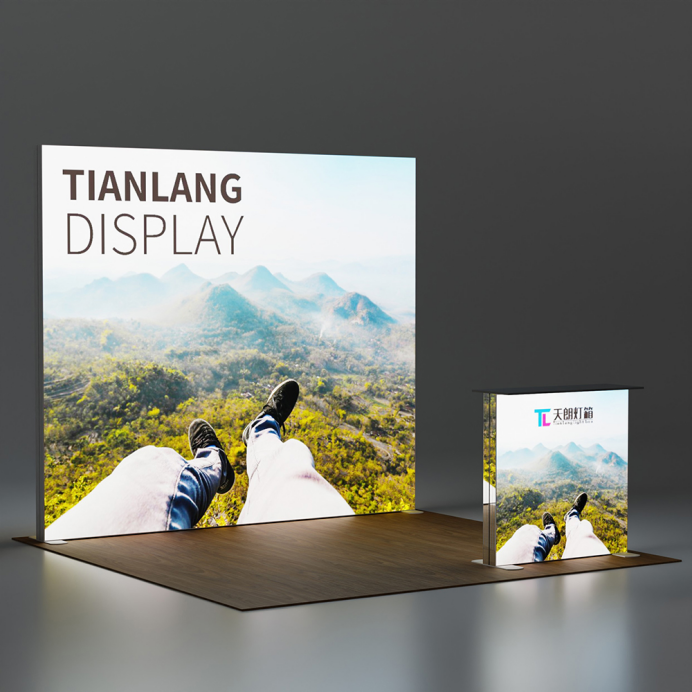
Textile graphics used in exhibition light boxes require specific handling procedures to maintain their appearance and structural integrity. Remove graphics carefully after each event, following manufacturer guidelines for folding or rolling to prevent permanent creases or damage. Store textile materials in breathable containers or tubes to prevent moisture accumulation and mildew formation. Proper storage techniques preserve graphic quality and extend their usable life across multiple events.
Cleaning textile graphics requires attention to material specifications and printing methods. Most modern textile graphics can be machine washed using gentle cycles and mild detergents, but always verify care instructions before cleaning. Air dry graphics completely before storage to prevent moisture-related issues. Professional cleaning services may be necessary for heavily soiled or delicate materials to ensure optimal results without damage.
Regular inspection of textile graphics helps identify wear patterns, color fading, or physical damage that might affect display quality. Document the condition of graphics after each use and maintain replacement schedules based on usage frequency and wear patterns. High-traffic exhibitions may require more frequent graphic replacement compared to occasional use scenarios.
Protective Coating and Surface Treatment
Many exhibition light boxes feature protective coatings on aluminum surfaces and graphic materials that require specific maintenance approaches. These coatings provide durability and appearance enhancement but can be damaged by improper cleaning methods or harsh chemicals. Use manufacturer-recommended cleaning products and techniques to preserve coating integrity and maintain optimal appearance.
UV protection becomes particularly important for exhibition light boxes used in outdoor or high-light environments. Monitor graphics for signs of fading or degradation and implement protective measures such as UV-filtering covers when appropriate. The investment in protection measures often proves cost-effective compared to frequent graphic replacement due to UV damage.
Surface treatment renewal may become necessary over time to maintain optimal appearance and protection. Professional refinishing services can restore aluminum frames and apply new protective coatings when original treatments show signs of wear. Planning for periodic refinishing as part of long-term maintenance strategy helps preserve the investment in exhibition light boxes.
Electrical System Inspection and Safety
Wiring and Connection Assessment
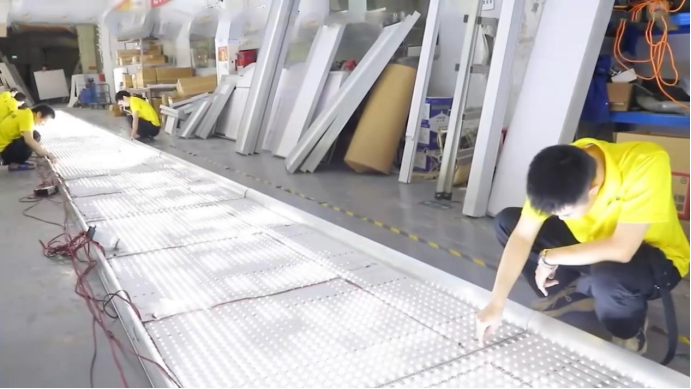
Regular electrical system inspection ensures safe operation and prevents unexpected failures during critical events. Examine all wiring for signs of wear, damage, or exposure that could create safety hazards. Pay particular attention to areas where cables bend or flex during assembly and disassembly processes, as these locations experience the most stress and are prone to failure.
Connection points require thorough inspection to identify loose contacts, corrosion, or damage that could affect performance or create safety risks. Clean connection points with appropriate contact cleaners and ensure all connections are secure before operation. Document any repairs or replacements to maintain comprehensive maintenance records for your exhibition light boxes.
Ground fault circuit interrupter protection should be verified for all exhibition light boxes, especially those used in environments where moisture might be present. Test GFCI devices regularly and replace any units that fail to operate properly. Electrical safety cannot be compromised, as failures can result in equipment damage, personal injury, or fire hazards.
Power Supply and Control System Maintenance
Power supply units within exhibition light boxes require periodic testing to ensure stable operation and identify potential issues before they cause system failures. Monitor power supplies for consistent output voltage and current, and check for unusual heat generation or noise that might indicate developing problems. Maintain replacement power supplies for critical applications to minimize downtime during events.
Control systems, including dimming circuits and switching mechanisms, benefit from regular operation and testing to ensure proper functionality. Exercise all controls periodically and clean contacts as necessary to maintain reliable operation. Document control system specifications and settings to facilitate quick restoration after maintenance or repairs.
Surge protection devices help safeguard exhibition light boxes from power quality issues that are common in temporary event installations. Test surge protection devices regularly and replace units that have absorbed surges or show signs of degradation. The cost of surge protection is minimal compared to the potential damage from power quality issues.
Storage and Transportation Best Practices
Proper Storage Techniques
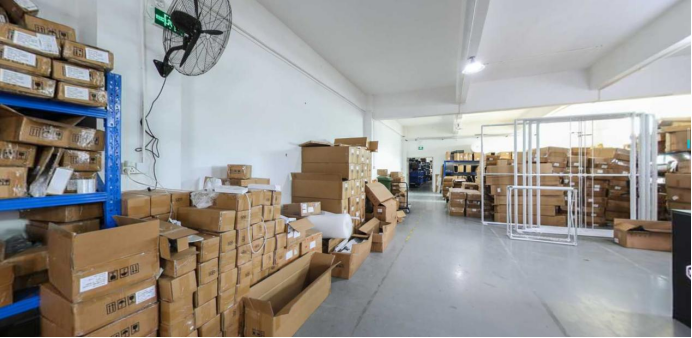
Storage environment significantly impacts the longevity and performance of exhibition light boxes. Maintain storage areas with controlled temperature and humidity to prevent condensation and material degradation. Extreme temperature variations can cause expansion and contraction cycles that stress components and connections, potentially leading to premature failure.
Organize storage to prevent physical damage from stacking or improper handling. Use protective covers or cases designed specifically for exhibition light boxes to shield components from dust, moisture, and physical damage. Label storage containers clearly to facilitate quick identification and inventory management during busy event preparation periods.
Inventory management systems help track the condition and maintenance history of individual exhibition light boxes. Implement tracking procedures that record usage, maintenance activities, and any issues identified during operation. This documentation proves invaluable for scheduling preventive maintenance and making informed replacement decisions.
Transportation and Handling Guidelines
Transportation presents unique challenges for exhibition light boxes due to vibration, shock, and environmental exposure during transit. Use appropriate packaging and cushioning materials to protect components from transportation-induced damage. Secure all loose components and graphics to prevent shifting that could cause damage during transport.
Loading and unloading procedures should minimize handling stress on exhibition light boxes. Train personnel in proper lifting techniques and use appropriate equipment such as carts or dollies to reduce manual handling. Develop standardized procedures for transportation preparation and unpacking to ensure consistency and reduce the risk of damage.
Environmental protection during transportation becomes critical for exhibition light boxes, especially during adverse weather conditions. Waterproof covers or containers protect against moisture damage, while temperature-controlled transportation may be necessary for sensitive components or extreme climate conditions. The investment in proper transportation protection prevents costly repairs and replacements.
Preventive Maintenance Scheduling
Routine Inspection Protocols
Establishing regular inspection schedules ensures that potential issues with exhibition light boxes are identified before they develop into costly problems. Create checklists that cover all critical components including LED systems, frames, graphics, electrical connections, and control systems. Document inspection results to track component condition over time and identify patterns that might indicate the need for more frequent maintenance or replacement.
Pre-event inspections become particularly important for exhibition light boxes to prevent failures during critical presentations. Conduct comprehensive testing of all systems before each event, including full power-up cycles, graphic installation procedures, and any control system operations. Address any issues identified during pre-event inspections immediately to ensure reliable performance.
Post-event inspections help identify damage or wear that occurred during the event and enable prompt repairs before storage. Document any new issues and assess whether immediate repair is necessary or if the issue can be addressed during the next scheduled maintenance interval. This approach prevents minor issues from developing into major problems between events.
Maintenance Record Keeping
Comprehensive maintenance records provide valuable insights into the performance and reliability of exhibition light boxes over time. Track component replacement intervals, repair histories, and performance issues to identify patterns and optimize maintenance schedules. This data proves invaluable for making informed decisions about equipment lifecycle management and replacement planning.
Digital maintenance management systems can streamline record keeping and provide automated reminders for scheduled maintenance activities. These systems can track multiple exhibition light boxes simultaneously and generate reports that help optimize maintenance resources and scheduling. The investment in maintenance management tools often pays for itself through improved equipment reliability and reduced emergency repairs.
Warranty tracking becomes important for exhibition light boxes as it ensures that covered repairs are handled appropriately and helps identify chronic issues that might indicate design problems. Maintain comprehensive warranty documentation and ensure that maintenance activities comply with warranty requirements to preserve coverage throughout the warranty period.
FAQ
How often should LED components in exhibition light boxes be replaced?
LED components in quality exhibition light boxes typically last 50,000 to 100,000 hours of operation under normal conditions. However, replacement timing depends on usage frequency, operating environment, and performance requirements. Monitor LED output and color consistency regularly, and plan replacement when light output drops below acceptable levels or color shifting becomes noticeable. Most commercial users find that LEDs maintain acceptable performance for 5-7 years with normal exhibition use.
What cleaning products are safe for aluminum frames on exhibition light boxes?
Use mild, non-abrasive cleaners specifically designed for aluminum surfaces to maintain frame appearance without damage. Avoid harsh chemicals, bleach, or abrasive compounds that can damage protective coatings or cause surface scratches. A solution of warm water and mild dish soap works effectively for routine cleaning, followed by thorough rinsing and drying. For stubborn stains or oxidation, specialized aluminum cleaners may be necessary, but always test in an inconspicuous area first.
Can textile graphics for exhibition light boxes be machine washed?
Most modern textile graphics used in exhibition light boxes can be machine washed using gentle cycles and cold water with mild detergents. However, always check manufacturer care instructions before washing, as some materials or printing methods may require hand washing or professional cleaning. Remove graphics from frames completely before washing, and ensure they are completely dry before storage to prevent mildew or odor issues. Air drying is generally recommended to prevent heat damage from mechanical dryers.
What storage temperature and humidity conditions are optimal for exhibition light boxes?
Store exhibition light boxes in environments with stable temperatures between 60-75°F (15-24°C) and relative humidity levels between 40-60%. Avoid locations with extreme temperature fluctuations, direct sunlight, or high humidity that could cause condensation. These conditions help prevent component degradation, corrosion, and material expansion/contraction cycles that can stress connections and joints. Use dehumidifiers or climate control systems in storage areas if necessary to maintain optimal conditions.