 EN
EN
 FR
FR DE
DE PT
PT ES
ES AR
AR RU
RU

What Are the Key Layout Strategies for a 3*3 Booth?
Trade show success hinges on creating an impactful presence within limited space, and a 3*3 booth presents unique opportunities for businesses to maximize their exhibition impact. This compact yet versatile booth size has become increasingly popular among exhibitors seeking cost-effective solutions that deliver professional results. Understanding the fundamental layout strategies for a 3*3 booth can transform a small exhibition space into a powerful marketing tool that attracts visitors, generates leads, and enhances brand visibility. The strategic arrangement of display elements, lighting, and interactive components within these nine square meters requires careful planning and innovative thinking to achieve optimal results.
Understanding Space Optimization for Small Exhibition Areas
Maximizing Vertical Display Potential
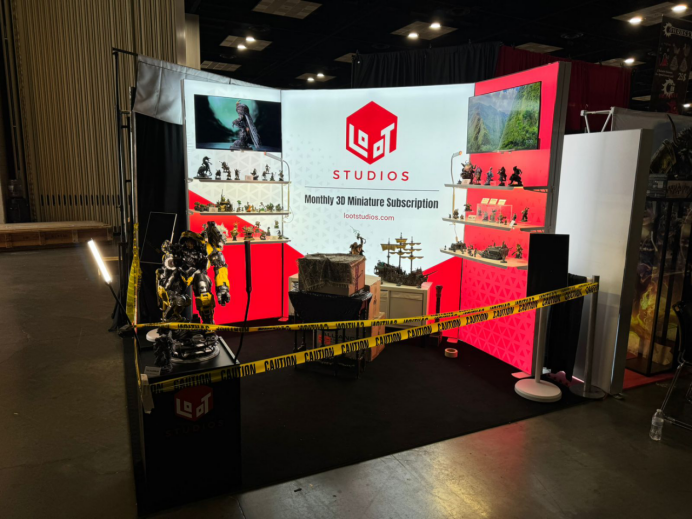
Vertical space utilization represents the most critical aspect of 3*3 booth design, as floor space limitations require exhibitors to think upward rather than outward. Professional booth designers consistently recommend implementing tall display structures that draw the eye skyward while maintaining structural integrity and visual appeal. The strategic use of height creates an impression of larger space while providing additional surface area for branding, product displays, and informational content. Modern exhibition venues typically allow structures up to four meters in height, presenting significant opportunities for creative vertical arrangements that distinguish your booth from ground-level competitors.
Strategic lighting placement at various vertical levels enhances the perceived depth and dimension of your 3*3 booth while creating visual interest that attracts attendees from across the exhibition floor. Incorporating multiple lighting zones at different heights establishes a layered visual experience that guides visitor attention through your display elements systematically. Professional lighting systems designed specifically for compact booth configurations can transform the spatial perception of your exhibition area, making it appear larger and more inviting than its actual footprint suggests.
Floor Plan Configuration Principles
Effective floor plan design for a 3*3 booth requires balancing accessibility, functionality, and visual impact within the constraints of limited square footage. The most successful booth layouts incorporate clear traffic flow patterns that guide visitors through the space naturally while providing adequate room for meaningful interactions between staff and prospects. Strategic placement of key display elements along the perimeter allows for maximum utilization of central space for visitor circulation and demonstration activities.
Corner positioning within the overall exhibition hall significantly influences the optimal layout configuration for your booth, as corner locations provide additional visibility angles that can be leveraged through strategic display orientation. Understanding the relationship between your booth position and surrounding exhibits enables more effective planning of sight lines, entry points, and primary focal areas that capture attendee attention from multiple directions simultaneously.
Essential Design Elements for Maximum Impact
Backdrop and Wall System Integration
The backdrop system serves as the foundational visual element of any 3*3 booth, providing the primary surface for brand messaging, product imagery, and company information that visitors will remember long after leaving your exhibit. Professional backdrop systems designed for compact booth configurations offer modular flexibility that enables customization based on specific marketing objectives and product demonstration requirements. High-resolution graphics printed on tension fabric or rigid panels create professional visual impact while maintaining portability and ease of setup for multiple trade show events throughout the year.
Modern backdrop systems incorporate integrated lighting solutions that eliminate the need for separate lighting equipment while ensuring consistent illumination across all graphic elements. These integrated approaches to backdrop design maximize the effective use of available space while reducing setup complexity and transportation requirements for exhibitors managing multiple trade show appearances annually.
Product Display Solutions
Product showcase strategies for a 3*3 booth must balance visibility, accessibility, and security while accommodating the diverse needs of different product categories and demonstration requirements. Modular display systems provide the flexibility to reconfigure product presentations based on specific trade show audiences and marketing objectives without requiring complete booth redesign for each event. Strategic product placement at eye level ensures maximum visibility while maintaining appropriate security measures for valuable or delicate items.
Interactive demonstration areas within compact booth spaces require careful planning to ensure adequate room for product handling while maintaining visitor safety and comfort. Professional 3*3 booth configurations often incorporate multi-level display platforms that provide elevated product viewing angles while creating visual depth that enhances the perceived size of the exhibition space.
Traffic Flow and Visitor Engagement Strategies
Entry Point Optimization
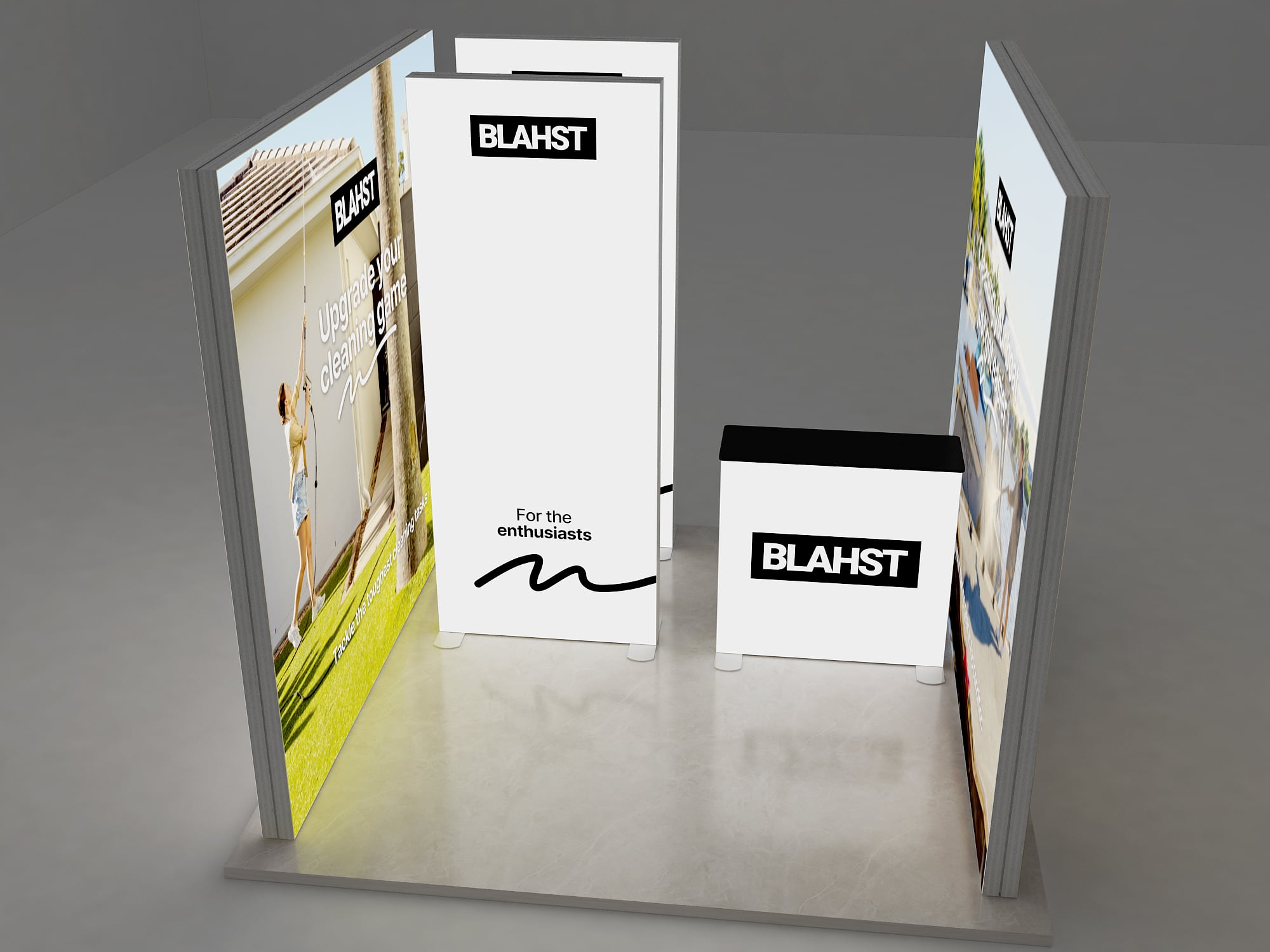
The positioning and design of entry points significantly influence visitor traffic patterns and overall booth effectiveness, particularly in compact 3*3 booth configurations where every square meter must contribute to marketing objectives. Strategic entry point placement creates natural invitation zones that draw attendees into your exhibit space while providing clear sight lines to key display elements and demonstration areas. Professional booth designers recommend avoiding barriers or obstacles near entry points that might discourage spontaneous visitor exploration of your exhibition space.
Psychological factors play a crucial role in entry point design, as visitors make subconscious decisions about booth accessibility within seconds of approaching your display area. Wide, welcoming entry configurations encourage exploration, while narrow or cluttered approaches can deter potential visitors even when your products or services align perfectly with their needs and interests.
Circulation Pattern Development
Effective circulation patterns within a 3*3 booth guide visitor movement through your display elements systematically while providing natural stopping points for detailed conversations with booth staff. The most successful compact booth designs incorporate curved or diagonal pathways that create the illusion of larger space while ensuring all visitors encounter your primary marketing messages and product demonstrations during their booth experience. Strategic placement of interactive elements along circulation routes encourages extended engagement while maintaining smooth traffic flow during peak exhibition periods.
Professional traffic management within compact exhibition spaces requires anticipating visitor behavior patterns and designing booth layouts that accommodate both individual browsing and group demonstrations without creating congestion or safety concerns. Understanding peak traffic periods and adjusting booth configuration accordingly ensures optimal visitor experience throughout the entire trade show duration.
Technology Integration and Interactive Features
Digital Display Implementation
Modern 3*3 booth designs increasingly incorporate digital display technologies that provide dynamic content presentation capabilities while occupying minimal physical space compared to traditional static signage solutions. High-definition monitors and LED panels offer the flexibility to update marketing messages, product information, and promotional content throughout the trade show duration without requiring physical changes to booth configuration. Strategic digital display placement at multiple height levels creates visual interest while providing opportunities for real-time content customization based on visitor demographics and interests.
Interactive touchscreen systems integrated into compact booth designs enable self-service information access that reduces staff workload while providing visitors with detailed product specifications, company information, and contact details at their convenience. These technological solutions maximize information delivery capacity within limited physical space while creating modern, professional impressions that differentiate your exhibit from traditional static displays.
Lighting System Design
Professional lighting design for 3*3 booth configurations requires balancing illumination intensity, color temperature, and energy efficiency while creating visual drama that attracts attention from across the exhibition floor. LED lighting systems specifically designed for trade show applications provide the flexibility to adjust brightness levels and color schemes throughout the event duration while maintaining consistent performance and minimal heat generation. Strategic accent lighting highlights key products or messaging areas while general illumination ensures comfortable viewing conditions for all booth activities.
Layered lighting approaches combine ambient, task, and accent illumination to create depth and visual interest within compact exhibition spaces. This multi-level lighting strategy enhances the perceived size of your 3*3 booth while providing optimal conditions for product demonstrations, literature reading, and face-to-face conversations with potential customers and business partners.
Storage and Functionality Solutions
Hidden Storage Systems
Effective storage solutions for 3*3 booth configurations must maintain professional appearance while providing adequate space for marketing materials, product samples, personal items, and demonstration supplies throughout the trade show duration. Integrated storage systems built into display structures maximize functionality without compromising visual appeal or reducing available floor space for visitor circulation and staff activities. Professional booth designers incorporate storage compartments within backdrop systems, display counters, and seating areas to ensure all necessary materials remain easily accessible yet concealed from visitor view.
Modular storage components enable customization based on specific trade show requirements and product categories while maintaining consistent design aesthetics across multiple exhibition events. These flexible storage solutions accommodate varying quantities of promotional materials, product samples, and demonstration equipment without requiring fundamental changes to booth layout or visual design elements.
Multi-Functional Furniture Integration
Space-efficient furniture selection for a 3*3 booth requires prioritizing pieces that serve multiple functions while maintaining professional appearance and visitor comfort during extended conversations and product demonstrations. Contemporary booth furniture combines seating, storage, and display capabilities within single units that maximize utility while minimizing floor space consumption. Strategic furniture placement creates natural conversation zones while maintaining clear circulation pathways for visitor movement throughout the exhibition space.
Professional-grade exhibition furniture designed specifically for compact booth applications offers durability, portability, and visual appeal that enhances overall booth presentation while providing practical functionality for staff and visitors alike. These specialized furniture solutions contribute to the professional image essential for successful trade show participation while addressing the unique constraints of limited exhibition space.
Brand Messaging and Visual Communication
Graphic Design Hierarchy
Effective visual communication within a 3*3 booth requires establishing clear graphic design hierarchy that guides visitor attention through marketing messages systematically while maintaining visual appeal and professional presentation standards. Primary messaging elements should dominate the visual landscape through strategic size, color, and positioning decisions that ensure key information reaches visitors even during brief booth encounters. Secondary information layers provide detailed product specifications, company credentials, and contact information for visitors seeking deeper engagement with your offerings.
Professional graphic design for compact booth spaces balances information density with visual clarity to prevent overwhelming visitors while ensuring comprehensive communication of value propositions and competitive advantages. Strategic use of white space, typography hierarchy, and color coordination creates sophisticated visual presentations that reflect positively on company professionalism and attention to detail in all business activities.
Color Psychology Application
Color selection for 3*3 booth design significantly influences visitor perception, emotional response, and memory retention long after trade show conclusion. Professional color schemes should align with existing brand guidelines while considering the psychological impact of specific color combinations on target audience demographics and cultural preferences. Strategic color application can enhance perceived booth size, create emotional connections with products or services, and differentiate your exhibit from surrounding competitors within the exhibition hall environment.
Understanding color temperature relationships between artificial lighting and graphic elements ensures consistent visual presentation throughout varying exhibition hall lighting conditions. Professional booth designers coordinate lighting color temperature with graphic color schemes to maintain intended visual impact regardless of ambient lighting fluctuations common in large exhibition venues.
FAQ
What is the optimal visitor capacity for a 3*3 booth during peak traffic periods?
The optimal visitor capacity for a 3*3 booth typically ranges from 4-6 people simultaneously, including booth staff members. This capacity ensures comfortable circulation while maintaining safety standards and enabling meaningful conversations. During peak periods, implementing a rotation system helps manage visitor flow while preventing overcrowding that could deter potential prospects from entering your exhibition space.
How can I ensure my 3*3 booth stands out among larger neighboring exhibits?
Creating standout impact with a 3*3 booth requires strategic use of height, lighting, and unique design elements that capture attention from multiple angles. Incorporating distinctive architectural features, dynamic lighting effects, or interactive technologies can create memorable impressions that compete effectively with larger exhibits. Focus on creating a cohesive, professional presentation that emphasizes quality over quantity in all design decisions.
What are the typical setup and breakdown timeframes for a professionally designed 3*3 booth?
Professional 3*3 booth systems typically require 2-4 hours for complete setup and 1-2 hours for breakdown, depending on complexity and staff experience. Modular components designed for trade show applications enable efficient assembly without specialized tools or extensive technical expertise. Pre-show planning and staff training significantly reduce setup time while ensuring consistent professional presentation quality across multiple events.
Are there specific electrical and internet connectivity requirements for modern 3*3 booth configurations?
Modern 3*3 booth configurations typically require standard electrical service for lighting, digital displays, and charging stations, plus reliable internet connectivity for interactive demonstrations and lead capture systems. Most exhibition venues provide basic electrical and internet packages, though upgraded services may be necessary for high-power lighting systems or bandwidth-intensive applications. Coordination with venue services during advance planning ensures adequate infrastructure support for all booth technologies.