 EN
EN
 FR
FR DE
DE PT
PT ES
ES AR
AR BG
BG HR
HR CS
CS DA
DA FI
FI NL
NL EL
EL IT
IT JA
JA KO
KO NO
NO PL
PL RO
RO RU
RU SV
SV CA
CA TL
TL IW
IW LV
LV LT
LT SR
SR SK
SK SL
SL ET
ET MT
MT TH
TH FA
FA AF
AF MS
MS SW
SW GA
GA KA
KA
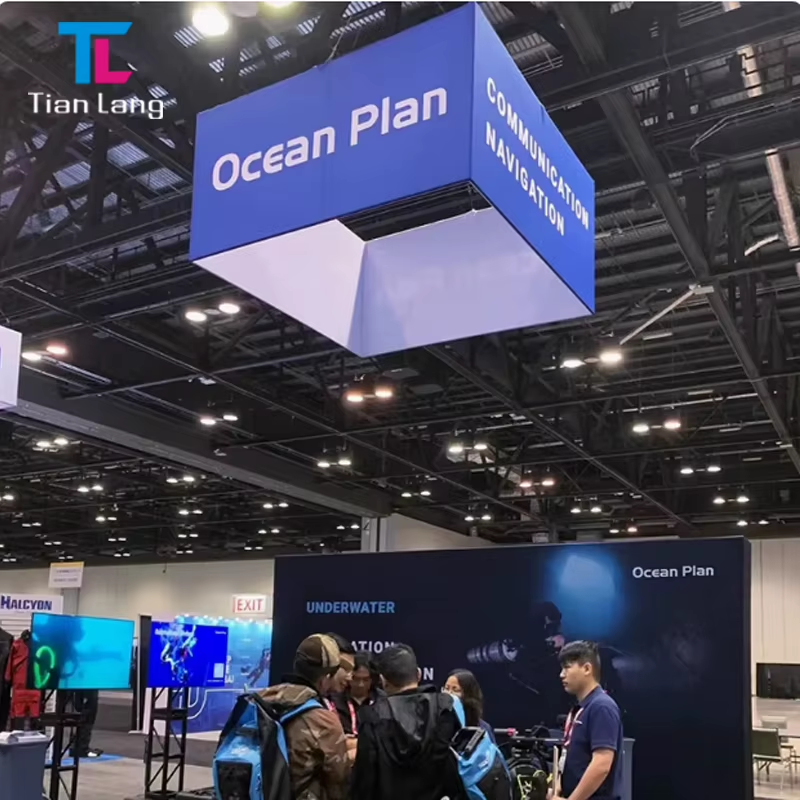
When planning a trade show presence, organizations face a critical decision between investing in a custom exhibit build and modular system solutions. Each approach offers distinct advantages and trade-offs that directly impact your brand visibility, budget allocation, and long-term exhibition strategy. Understanding the key differences between custom exhibit build and modular system options enables you to make an informed choice aligned with your specific business objectives and exhibition frequency.
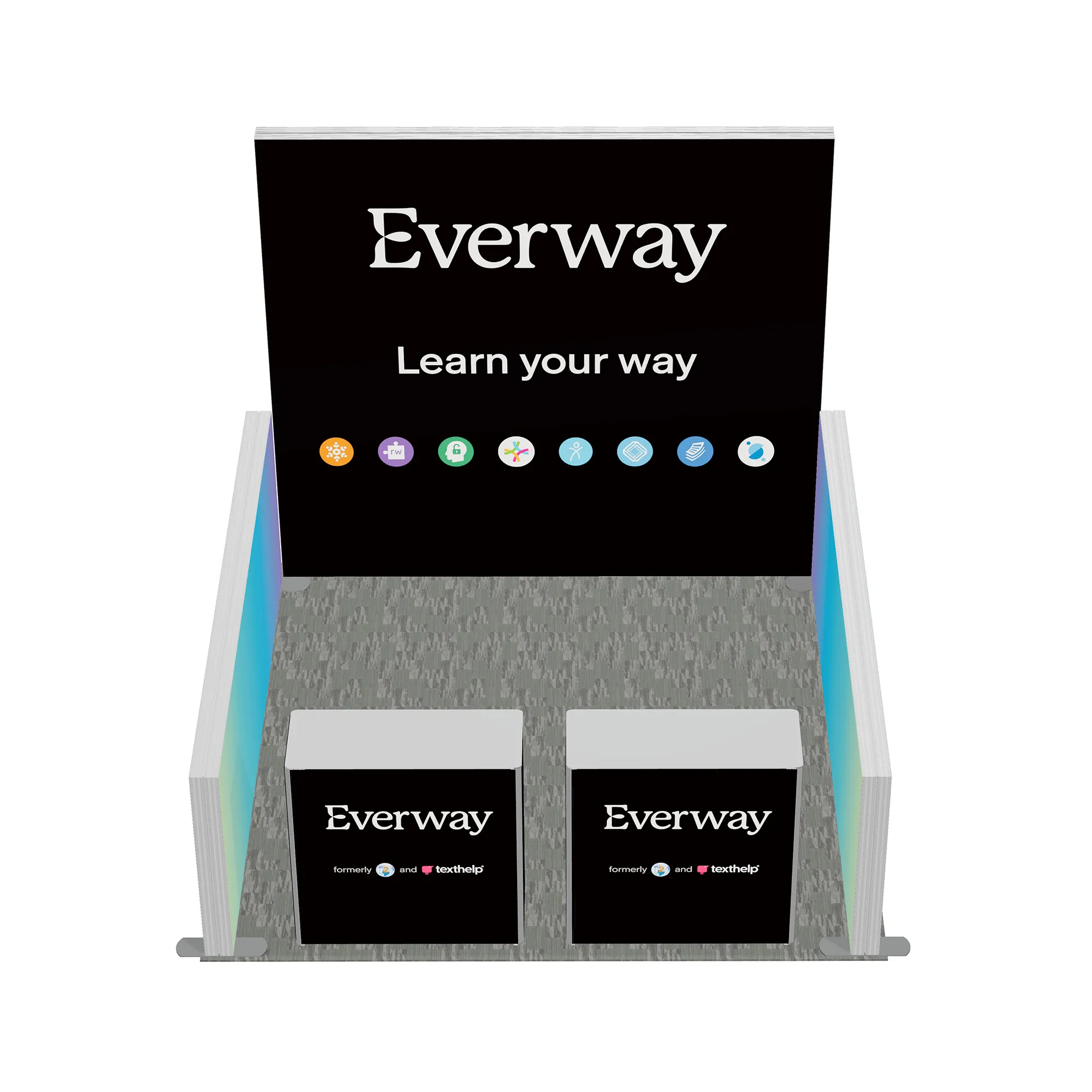
The distinction between custom exhibit build and modular system extends beyond surface-level aesthetics. These two fundamental approaches represent different philosophies regarding design freedom, investment structure, operational flexibility, and exhibition scalability. Selecting the right approach requires evaluating your exhibition goals, frequency of participation, design uniqueness requirements, and total cost of ownership across multiple years.
Design Flexibility and Creative Expression
Custom Exhibit Build Capabilities
A custom exhibit build offers unlimited design possibilities tailored exclusively to your brand identity and exhibition objectives. With custom exhibit build solutions, your creative team can conceptualize unique spatial layouts, integrate proprietary technology, and create memorable visitor experiences that differentiate your presence from competitors. Custom exhibit build structures accommodate specific dimensional requirements, unusual floor plans, and complex functional demands that standard solutions cannot address.
The custom exhibit build approach enables seamless integration of specialized interactive elements, custom lighting systems, branded architectural features, and proprietary demonstration zones. Your custom exhibit build can incorporate unusual shapes, multi-level configurations, and sophisticated audiovisual installations that reflect your brand's premium positioning. This design freedom positions custom exhibit build as the preferred choice for enterprises prioritizing visual distinctiveness and lasting attendee impressions.
Modular System Design Constraints
A modular system operates within predetermined component parameters, offering flexibility through combinations of standardized modules rather than unlimited customization. While modular system designs have evolved significantly, they remain constrained by available component libraries, dimensional standards, and structural limitations inherent to modular system architecture. The modular system approach prioritizes versatility through reconfigurable combinations rather than one-of-a-kind creative expressions.
Despite these constraints, modern modular system solutions provide impressive visual variety through component combinations, graphic customization, and strategic lighting applications. A modular system can accommodate diverse brand aesthetics through panel graphics, color coordination, and strategic element placement. However, modular system design fundamentally operates within architectural boundaries that prevent the truly custom conceptualization possible with bespoke solutions.
Cost Structure and Financial Investment
Custom Exhibit Build Economics
A custom exhibit build represents a significant upfront capital investment, with costs typically ranging from substantial amounts based on complexity, materials, and integrated technology. Custom exhibit build pricing reflects design professional fees, engineering consultation, specialized fabrication, unique materials, and comprehensive on-site assembly. The initial custom exhibit build investment is substantial but becomes financially justified when amortized across multiple exhibition seasons and leveraged for extended brand visibility.
The custom exhibit build financial model assumes long-term exhibition participation where you recoup initial investment through enhanced brand positioning and multiple deployment cycles. Organizations utilizing custom exhibit build solutions typically participate in five or more major exhibitions annually, making the per-show cost increasingly reasonable. Additionally, custom exhibit build structures can be repurposed, modified, and adapted across different venue formats, extending their financial utility and maximizing return on investment.
Modular System Economics
A modular system requires lower initial capital expenditure compared to custom exhibit build alternatives, making modular system solutions accessible for organizations with constrained exhibition budgets. Modular system pricing reflects standardized component manufacturing, established assembly procedures, and predictable logistics. The modular system cost structure favors organizations exhibiting infrequently or testing exhibition effectiveness before committing substantial resources.
The modular system financial advantage extends beyond purchase price to encompass operational efficiencies including simplified storage, reduced shipping complexity, and faster assembly protocols. A modular system minimizes specialized labor requirements and technical expertise during setup, reducing on-site installation costs. For organizations exhibiting two to four times annually or seeking flexibility in budget allocation, modular system economics often prove superior to custom exhibit build arrangements requiring major capital commitments.
Operational Flexibility and Deployment Logistics
Custom Exhibit Build Setup and Storage
A custom exhibit build typically requires dedicated climate-controlled storage space, demanding ongoing facility costs and inventory management infrastructure. Custom exhibit build structures necessitate professional assembly teams with specialized knowledge of your specific exhibit configuration, electrical systems, and component relationships. Modifications to custom exhibit build layouts require professional consultation, fabrication adjustments, and extended lead times that limit spontaneous design iterations between exhibition seasons.
The custom exhibit build approach works optimally when your exhibition strategy remains relatively consistent across venues and seasons, minimizing the need for structural modifications. When you require significant custom exhibit build changes, you face redesign expenses that partially replicate initial development costs. However, this investment enables you to maintain brand consistency while accommodating venue-specific spatial constraints through professional adaptation strategies.
Modular System Assembly and Reconfiguration
A modular system excels in operational flexibility, enabling rapid reconfiguration between exhibitions, adaptation to varying booth dimensions, and responsive design modifications based on market feedback. Modular system components utilize standardized connection systems allowing trained personnel to reconfigure layouts without external fabrication expertise. The modular system approach supports spontaneous design updates, seasonal theme adjustments, and experimental booth configurations that test performance variations.
Storage requirements for modular system solutions remain substantially lower than custom exhibit build alternatives, as modular system components stack efficiently and require standard warehouse conditions. The modular system advantage in logistics translates to reduced shipping complexity, lower freight costs across multiple venues, and faster deployment timelines. Organizations valuing operational agility and frequent design iteration typically favor modular system solutions over the rigid structure inherent to custom exhibit build commitments.
FAQ
When should an organization choose custom exhibit build instead of modular system?
Organizations should select custom exhibit build when exhibiting at premium trade shows, requiring distinctive visual differentiation, participating frequently in major exhibitions, or needing specialized integrated technology. The custom exhibit build approach justifies investment when your brand positioning depends on memorable, unique booth experiences and when you plan exhibition participation spanning multiple years. Custom exhibit build becomes financially prudent when your exhibition frequency supports amortizing substantial upfront costs across numerous deployments.
What are the hidden costs associated with custom exhibit build versus modular system?
Custom exhibit build hidden costs include specialized storage facility requirements, professional maintenance and repair services, modification and redesign expenses, and transportation by specialized freight services. The modular system hidden expenses involve component replacement as items wear, periodic updates to maintain visual currency, and potential licensing fees for proprietary connection systems. Understanding these concealed costs ensures accurate total cost comparison between custom exhibit build and modular system approaches.
Can a modular system achieve the visual impact of custom exhibit build solutions?
Modern modular system solutions deliver impressive visual impact through sophisticated component design, custom graphic applications, advanced lighting integration, and strategic spatial planning. However, modular system solutions operate within architectural constraints preventing the truly bespoke customization possible with custom exhibit build approaches. The choice depends on whether your brand objectives prioritize absolute visual distinctiveness through custom exhibit build or optimal balance between visual effectiveness and operational flexibility through modular system alternatives.