 EN
EN
 FR
FR DE
DE PT
PT ES
ES AR
AR BG
BG HR
HR CS
CS DA
DA FI
FI NL
NL EL
EL IT
IT JA
JA KO
KO NO
NO PL
PL RO
RO RU
RU SV
SV CA
CA TL
TL IW
IW LV
LV LT
LT SR
SR SK
SK SL
SL ET
ET MT
MT TH
TH FA
FA AF
AF MS
MS SW
SW GA
GA KA
KA

A successful trade show booth is far more than just a space on the exhibition floor. The essential elements of a trade show booth determine whether your company attracts high-value B2B prospects or blends into the background. Every component, from the physical structure to the interactive displays, plays a critical role in drawing qualified leads and facilitating meaningful business conversations. Understanding what makes a trade show booth effective is essential for companies seeking to maximize their investment and return on investment from trade events.
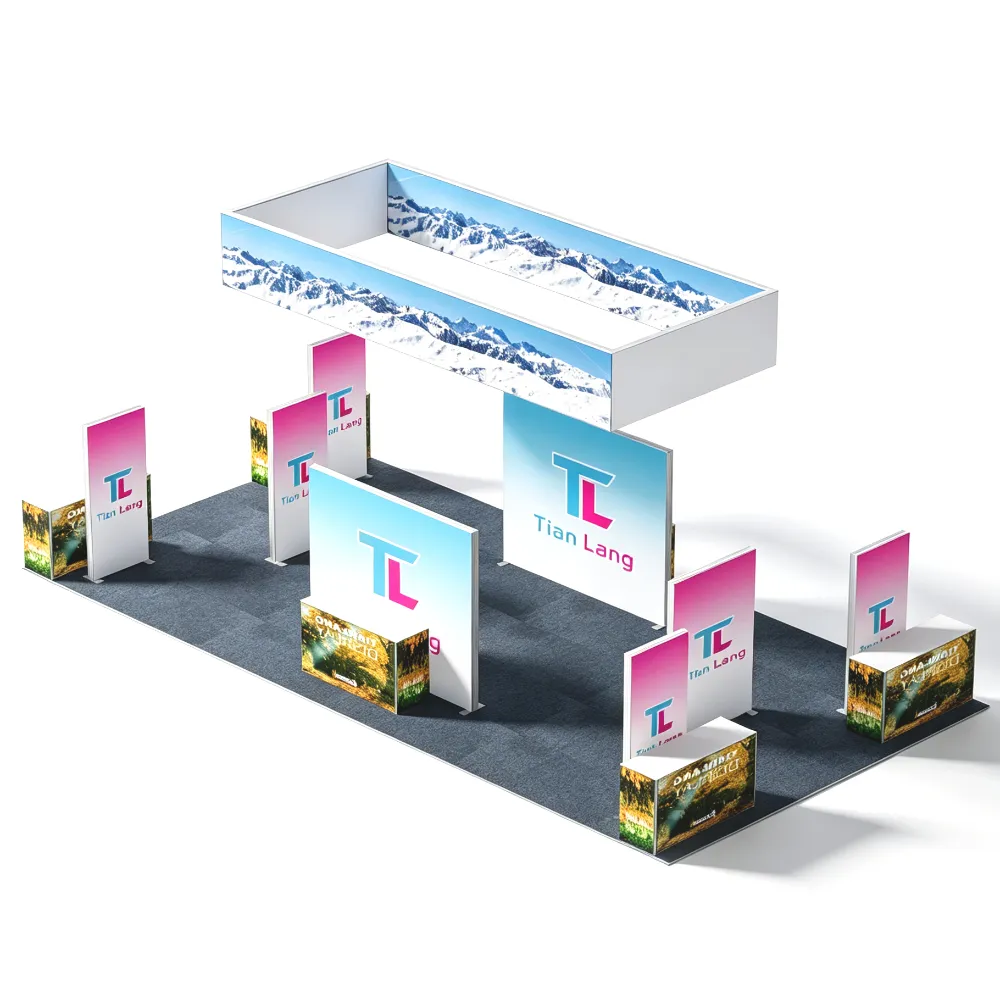
The most compelling trade show booth solutions integrate strategic design, visual hierarchy, and functionality into a cohesive experience that resonates with your target audience. B2B buyers visit trade shows with specific objectives: they want to evaluate solutions, compare offerings, and connect with vendors who understand their pain points. A well-designed trade show booth addresses these needs directly by creating an environment where conversations flow naturally and value propositions are immediately clear. The difference between a mediocre trade show booth and an outstanding one often comes down to intentional planning and understanding the essential elements that drive engagement.
Visual Design and Brand Presence
Color Scheme and Visual Impact
Color is one of the most immediate sensory inputs that influences whether someone approaches a trade show booth or walks past. A strategic color scheme should align with your brand identity while also commanding attention from across the exhibition floor. High-value B2B decision-makers form initial impressions within seconds, so your trade show booth must communicate professionalism and credibility through its visual design. Colors should complement your messaging and create visual contrast that stands out without appearing garish or unprofessional. A well-executed color palette in your trade show booth establishes brand recognition and makes your space memorable among dozens of competing booths.
Branding and Messaging Hierarchy
Your trade show booth must immediately communicate who you are and what value you provide. Clear branding reinforces recognition, especially if you are following up with prospects after the event. Messaging hierarchy in your trade show booth means placing your most compelling value proposition at eye level, visible from multiple angles of approach. Secondary messages and product details should support the primary message without cluttering the space. An effective trade show booth balances brand prominence with information clarity, ensuring that every visual element serves the overall narrative you want prospects to take away from the experience.
Layout and Traffic Flow
Strategic Spatial Organization
The layout of your trade show booth directly influences whether prospects naturally flow through the space and engage with your team. An inviting trade show booth design includes an open entrance that welcomes visitors rather than creating a closed-off appearance. The depth and width of your booth should be organized to guide visitors through key touchpoints where they encounter your most important messaging and product demonstrations. A trade show booth layout should balance openness with intimate conversation areas where in-depth discussions can happen without distraction. Strategic positioning of high-interest elements draws people deeper into your trade show booth space, extending their time and increasing the likelihood of meaningful conversations.
Seating and Conversation Zones
High-value B2B buyers often want to sit down and have substantive conversations, particularly when evaluating complex solutions. Your trade show booth should include comfortable seating that is positioned to facilitate face-to-face dialogue. Strategic conversation zones within your trade show booth allow you to separate casual inquiries from deeper qualification conversations. These dedicated seating areas should offer some privacy or visual separation so that extended discussions do not feel exposed to the broader floor. A well-designed trade show booth recognizes that meaningful business deals are built through conversation, not just passive browsing, and creates spaces that encourage that dialogue.
Technology and Interactive Elements
Demonstrations and Interactive Displays
Interactive elements transform a trade show booth from a static display into an engaging experience that showcases your solution in action. Product demonstrations allow prospects to see tangible value and ask specific questions about functionality and implementation. A modern trade show booth increasingly incorporates digital displays, touchscreens, or virtual demonstrations that capture attention and allow self-directed exploration. These interactive components in your trade show booth give prospects agency in learning about your offerings while generating valuable engagement data. The most effective trade show booth demonstrations are tailored to address common prospect objections and highlight competitive differentiators clearly.
Lead Capture and Digital Integration
Your trade show booth must include a systematic way to capture lead information and continue conversations after the event. Digital check-in systems, QR codes, or business card scanners integrated into your trade show booth streamline the data collection process. These systems should require minimal friction so that your team can focus on conversation rather than administrative tasks. A sophisticated trade show booth may include CRM integration that allows real-time data entry and immediate follow-up workflows. Technology in your trade show booth should enhance the human interaction experience rather than replace it, creating a seamless bridge from face-to-face engagement to post-event nurturing.
Lighting and Environmental Comfort
Strategic Illumination and Visibility
Lighting is a critical element of trade show booth design that many companies underestimate. Proper illumination makes your trade show booth visible from a distance and creates a welcoming atmosphere that draws people in. Task lighting highlights specific products or displays within your trade show booth, directing attention to key value propositions. Ambient lighting sets the tone for the space, and can significantly impact how prospects perceive your brand professionalism. A well-lit trade show booth appears more inviting and established than dimly lit competitors, subtly communicating that you are a serious industry player worthy of their attention.
Climate Control and Accessibility
The comfort of prospects visiting your trade show booth affects their willingness to stay and engage. Adequate ventilation, reasonable temperature, and accessible seating ensure that visitors remain comfortable throughout their interaction. Your trade show booth should consider sight lines and accessibility for attendees of varying physical abilities, demonstrating respect and inclusivity. These environmental factors in your trade show booth may seem secondary, but they significantly impact how long prospects remain engaged and their overall perception of your company. Comfortable visitors are more likely to have substantive conversations and remember your trade show booth positively after the event concludes.
FAQ
What is the optimal size for a high-value B2B trade show booth?
The optimal size depends on your industry, target audience, and budget, but most companies find that a trade show booth of 10x10 to 20x20 feet allows for effective product display, seating, and traffic flow while remaining manageable. Larger companies often use bigger trade show booth spaces to accommodate multiple product lines or demonstration areas, while smaller firms can be highly effective with compact, well-designed booths. What matters most is not the square footage but how effectively your trade show booth utilizes its space to showcase your value and facilitate conversations.
How should staffing be organized within a trade show booth?
Your trade show booth should have clear role assignments: some team members positioned at entry points to greet visitors, product experts available for detailed conversations, and a lead management person coordinating data capture. Staff should be trained to qualify prospects quickly, direct them to appropriate resources, and transition casual inquiries to deeper discussions when appropriate. A well-organized trade show booth team creates a professional impression and ensures that no prospect falls through the cracks during the busy exhibition floor environment.
How can you make a trade show booth stand out from competitors?
Stand out by combining distinctive visual design, clear value messaging, interactive demonstrations, and genuine relationship-building conversations. Your trade show booth should reflect your unique brand personality and address the specific pain points of your target buyer segment better than competitors. Include elements that encourage word-of-mouth, such as memorable conversations, takeaway materials, or unique experiences, so that prospects continue discussing your trade show booth after the event ends.