 EN
EN
 FR
FR DE
DE PT
PT ES
ES AR
AR RU
RU

What Is the Difference Between Custom Trade Show Booth Design and Modular?
Trade shows represent critical opportunities for businesses to showcase their products, connect with potential customers, and establish their brand presence in competitive markets. When planning for these events, companies face a fundamental decision between custom trade show booth design and modular booth solutions. Each approach offers distinct advantages and challenges that can significantly impact your exhibition success, budget considerations, and long-term marketing strategy. Understanding the nuances of both options helps exhibitors make informed decisions that align with their specific goals, brand requirements, and logistical constraints.
The choice between custom and modular booth designs extends beyond mere aesthetic preferences, encompassing considerations of brand representation, budget allocation, setup complexity, and future adaptability. Companies must evaluate their exhibition frequency, brand positioning requirements, storage capabilities, and long-term trade show participation strategies. This comprehensive analysis explores the fundamental differences between these two approaches, helping businesses navigate the complexities of trade show booth selection with confidence and strategic clarity.
Understanding Custom Trade Show Booth Design
Defining Custom Booth Solutions
Custom trade show booth design represents the pinnacle of personalized exhibition experiences, where every element is specifically created to reflect a company's unique brand identity, messaging, and functional requirements. These bespoke solutions involve comprehensive design processes that consider architectural elements, lighting schemes, interactive technologies, and spatial configurations tailored to specific brand narratives. Custom booths are built from scratch using high-quality materials, specialized construction techniques, and innovative design concepts that cannot be replicated through standard modular systems.
The development of custom trade show booth design typically involves extensive collaboration between clients and experienced design teams, incorporating detailed brand guidelines, specific functional requirements, and unique architectural elements. These booths often feature complex structural components, specialized lighting systems, custom graphics, interactive displays, and integrated technology solutions that create immersive brand experiences. The design process includes multiple phases of conceptualization, 3D modeling, material selection, and prototype development to ensure the final product exceeds client expectations and delivers maximum exhibition impact.
Advantages of Custom Design Approaches
Custom booth solutions offer unparalleled brand differentiation opportunities, allowing companies to create distinctive exhibition spaces that capture visitor attention and reinforce brand positioning effectively. These designs can incorporate unique architectural features, specialized materials, innovative lighting schemes, and interactive technologies that align perfectly with brand messaging and marketing objectives. Custom solutions provide complete design freedom, enabling the integration of specific functional requirements, workflow considerations, and visitor engagement strategies that maximize exhibition effectiveness.
The flexibility inherent in custom trade show booth design allows for precise space utilization, optimal traffic flow management, and strategic placement of product displays, meeting areas, and interactive zones. Companies can incorporate brand-specific color schemes, typography, messaging hierarchies, and visual elements that create cohesive brand experiences across all touchpoints. Custom designs also accommodate specialized requirements such as product demonstration areas, private meeting spaces, storage solutions, and technical infrastructure that may not be possible with standard modular systems.
Investment Considerations and Timeline Factors
Custom booth development requires significant financial investment, with costs typically ranging from substantial initial design fees to premium material and construction expenses. The investment includes comprehensive design services, specialized fabrication processes, high-quality materials, advanced technology integration, and professional installation services. Companies must also consider ongoing costs related to storage, transportation, maintenance, and potential modifications for future exhibitions.
Timeline considerations for custom trade show booth design are crucial, as these projects typically require several months of development from initial concept to final installation. The process includes design consultations, concept development, client approvals, detailed engineering, fabrication, quality control, and pre-show testing phases. Companies planning custom booths must initiate projects well in advance of exhibition dates to ensure adequate development time and avoid rush charges or compromised quality due to compressed schedules.
Exploring Modular Booth Systems
Modular Design Fundamentals
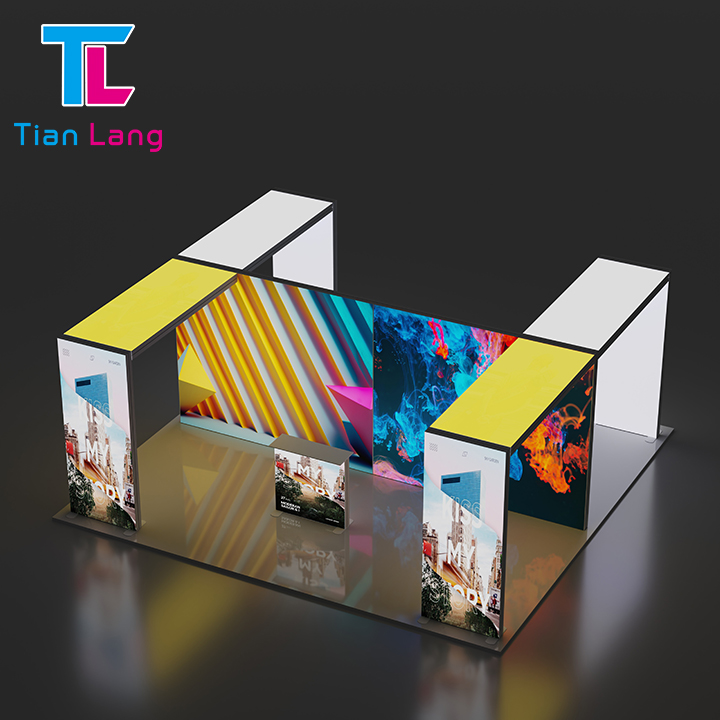
Modular booth systems represent versatile exhibition solutions built using standardized components that can be configured in multiple arrangements to create diverse booth layouts and designs. These systems utilize pre-manufactured elements such as framework components, panel systems, lighting fixtures, and accessory hardware that interconnect through standardized connection methods. Modular designs offer flexibility through component reconfiguration, allowing exhibitors to adapt their booth layouts for different space requirements, exhibition formats, and evolving marketing needs.
The foundation of modular systems lies in their systematic approach to booth construction, utilizing compatible components that maintain structural integrity while providing design versatility. These systems often feature aluminum frameworks, fabric graphics, LED lighting integration, and modular accessories that can be assembled in various configurations. The standardized nature of modular components ensures consistent quality, reliable performance, and simplified assembly processes that reduce setup complexity and installation time requirements.
Flexibility and Reconfiguration Benefits
Modular booth systems excel in providing exhibitors with exceptional flexibility for adapting booth configurations to different exhibition spaces, changing marketing messages, and evolving brand requirements. The component-based nature allows for easy reconfiguration between linear, peninsula, island, and corner booth layouts without requiring completely new booth investments. This adaptability proves particularly valuable for companies participating in multiple trade shows annually or those experiencing rapid business growth that necessitates changing exhibition strategies.
The reconfiguration capabilities of modular systems extend beyond basic layout changes to include graphic updates, accessory modifications, and technology integration adjustments. Companies can refresh their exhibition presence by updating fabric graphics, rearranging display components, adding new accessories, or integrating updated technology solutions while maintaining their core booth investment. This flexibility supports dynamic marketing strategies and allows for responsive adaptations to market feedback, competitive positioning, and changing customer preferences.
Cost Efficiency and Practical Advantages
Modular systems typically offer superior cost efficiency compared to custom trade show booth design, providing excellent return on investment through component reusability, reduced storage requirements, and simplified logistics management. The standardized manufacturing processes used in modular production enable competitive pricing while maintaining high quality standards. Additionally, the ability to reconfigure components for multiple exhibitions maximizes the utility of each investment dollar and reduces long-term exhibition costs.
Practical advantages of modular systems include simplified transportation logistics, reduced setup time requirements, and straightforward maintenance procedures. The lightweight nature of modular components facilitates easier handling, lower shipping costs, and simplified installation processes. Many modular systems feature tool-free assembly methods, allowing exhibitor staff to handle setup procedures without specialized technical expertise or expensive contractor services. These practical benefits translate into reduced operational costs and simplified exhibition management processes.
Comparative Analysis of Design Approaches
Brand Representation Differences
Brand representation capabilities differ significantly between custom and modular approaches, with custom solutions offering unlimited creative freedom while modular systems provide structured flexibility within systematic constraints. Custom booths enable precise brand expression through unique architectural elements, specialized materials, custom lighting schemes, and bespoke interactive features that create distinctive brand experiences. These solutions can incorporate brand-specific design languages, cultural references, and experiential elements that establish powerful emotional connections with exhibition visitors.
Modular systems approach brand representation through systematic customization options, including custom graphics, branded accessories, coordinated color schemes, and strategic component arrangements. While modular solutions may not achieve the same level of unique differentiation as custom designs, they can effectively communicate brand messages through professional presentation, consistent quality, and strategic design execution. The key lies in maximizing the creative potential within modular system constraints while maintaining brand consistency and professional appearance standards.
Functional Performance Comparison
Functional performance varies considerably between custom and modular booth solutions, with each approach offering distinct operational advantages and limitations. Custom booths can incorporate specialized functional features such as integrated technology systems, custom storage solutions, specialized lighting controls, and unique visitor flow management elements. These tailored features optimize booth performance for specific business requirements, visitor engagement strategies, and operational workflow considerations.
Modular systems provide functional performance through standardized features that address common exhibition requirements effectively. These systems typically include integrated lighting solutions, modular storage options, flexible display configurations, and standardized technology mounting systems. While modular features may not match the specialized nature of custom solutions, they offer reliable performance, proven functionality, and simplified operation that meets most exhibitor requirements efficiently.
Strategic Decision-Making Factors
Budget Analysis and Financial Planning
Budget considerations play a crucial role in choosing between custom and modular booth solutions, requiring comprehensive analysis of initial investment costs, ongoing operational expenses, and long-term value propositions. Custom trade show booth design typically requires higher upfront investments but may provide superior brand differentiation and marketing impact that justifies the additional expense. Companies must evaluate their marketing budgets, exhibition frequency, and expected return on investment when considering custom solutions.
Modular systems generally offer more predictable cost structures with lower initial investments and greater flexibility for budget management across multiple exhibitions. The component-based pricing allows for phased investments, enabling companies to start with basic configurations and expand their booth capabilities over time. This approach proves particularly attractive for companies with limited exhibition budgets or those testing new market segments where investment risk management is prioritized.
Long-Term Strategic Considerations
Long-term strategic planning significantly influences booth design decisions, with factors including exhibition frequency, brand evolution trajectories, market expansion plans, and organizational growth projections affecting optimal solution selection. Companies with extensive trade show participation schedules and established brand positioning may benefit from custom booth investments that provide consistent brand representation across multiple exhibitions. The durability and uniqueness of custom solutions support long-term brand building strategies and premium market positioning.
Organizations experiencing rapid growth, market expansion, or evolving brand positioning may find modular systems better suited to their dynamic requirements. The flexibility to reconfigure, update, and adapt modular components supports changing business needs while maintaining exhibition presence effectiveness. This adaptability proves particularly valuable during periods of organizational change, market uncertainty, or strategic pivoting that requires responsive exhibition strategies.
Implementation and Management Considerations
Project Management Requirements
Project management requirements differ substantially between custom and modular booth implementations, with custom projects demanding extensive coordination, detailed timeline management, and specialized expertise throughout development phases. Custom booth projects require careful management of design consultations, approval processes, fabrication schedules, quality control procedures, and installation coordination. The complexity of custom projects necessitates experienced project management to ensure successful outcomes within established timelines and budgets.
Modular booth management typically involves more straightforward processes with standardized procedures, predictable timelines, and simplified coordination requirements. The systematic nature of modular components reduces project complexity while maintaining professional results. However, effective management still requires attention to component selection, graphic development, accessory coordination, and installation logistics to maximize modular system effectiveness.
Logistics and Operational Efficiency
Logistics management varies significantly between custom and modular solutions, affecting transportation costs, setup complexity, storage requirements, and operational efficiency. Custom booths often require specialized transportation arrangements, professional installation teams, extended setup periods, and significant storage facilities between exhibitions. These logistical requirements can add substantial costs and complexity to exhibition participation while requiring careful coordination to ensure successful implementation.
Modular systems excel in logistical efficiency through compact packaging, lightweight components, simplified transportation requirements, and streamlined setup procedures. Many modular components are designed for efficient shipping, easy handling, and rapid assembly that reduces operational costs and simplifies exhibition management. The standardized nature of modular systems also facilitates consistent setup procedures, reduced training requirements, and improved operational reliability across multiple exhibitions.
FAQ
What factors should companies prioritize when choosing between custom and modular booth designs
Companies should prioritize budget constraints, exhibition frequency, brand differentiation requirements, and long-term strategic goals when selecting booth design approaches. Organizations with substantial marketing budgets, frequent trade show participation, and strong brand positioning needs may benefit from custom solutions that provide maximum differentiation and brand expression capabilities. Conversely, companies with limited budgets, infrequent exhibition participation, or evolving brand requirements may find modular systems more practical and cost-effective for their specific needs.
How do setup times and installation requirements compare between the two approaches
Custom booth installations typically require longer setup periods, specialized installation teams, and more complex coordination processes due to unique components and intricate design elements. Professional installation services are usually necessary for custom booths, adding to overall costs but ensuring proper assembly and optimal presentation. Modular systems generally feature faster setup times, simplified assembly procedures, and the possibility for exhibitor staff to handle installation independently, reducing both time requirements and labor costs significantly.
Can modular systems achieve professional appearance standards comparable to custom designs
Modern modular systems can achieve highly professional appearance standards through quality materials, sophisticated design options, and strategic customization elements. While modular solutions may not match the unique architectural features possible with custom trade show booth design, they can create impressive and effective exhibition presence through proper planning, quality graphics, and thoughtful component selection. The key lies in maximizing the creative potential within modular system parameters while maintaining consistent quality and professional presentation standards.
What are the typical return on investment differences between custom and modular booth solutions
Return on investment varies based on exhibition frequency, marketing objectives, and brand positioning strategies, with custom booths potentially delivering higher impact per exhibition while modular systems typically provide better cost efficiency over multiple events. Custom solutions may justify higher investments through superior brand differentiation, enhanced visitor engagement, and premium market positioning that generates increased leads and sales opportunities. Modular systems often provide more predictable ROI through lower total costs, greater flexibility, and improved operational efficiency that supports sustainable exhibition programs over extended periods.