 EN
EN
 FR
FR DE
DE PT
PT ES
ES AR
AR RU
RU

What Are the Latest Design Trends in Modern Trade Show Exhibits
The exhibition landscape has undergone a dramatic transformation in recent years, with modern trade show booth designs embracing cutting-edge technology, sustainable materials, and innovative spatial concepts. Industry professionals are witnessing a shift from traditional static displays to dynamic, interactive environments that create memorable brand experiences. These evolving design trends reflect changing visitor expectations and the need for exhibitors to differentiate themselves in increasingly competitive trade show environments. Companies are investing more heavily in sophisticated booth designs that not only attract attention but also facilitate meaningful connections with potential customers and partners.
Technology Integration in Modern Exhibition Design
Interactive Digital Elements
Contemporary exhibition spaces are incorporating sophisticated digital technologies to create immersive visitor experiences. Large-scale LED walls, interactive touchscreens, and augmented reality stations have become standard features in premium booth designs. These technological elements serve multiple purposes, from showcasing product demonstrations to collecting visitor data and facilitating virtual meetings. The integration of these digital components requires careful planning to ensure seamless operation throughout the exhibition period.
Virtual and augmented reality experiences are particularly effective in industries where physical product demonstrations are challenging or impossible. Manufacturing companies use VR headsets to provide virtual factory tours, while software companies create interactive product simulations. These technologies enable exhibitors to present complex concepts in easily digestible formats, significantly improving visitor engagement and information retention rates.
Smart Connectivity Solutions
Modern exhibition designs prioritize seamless connectivity through integrated wireless charging stations, high-speed Wi-Fi networks, and mobile device compatibility. Smart booth systems can automatically adjust lighting, temperature, and audio settings based on visitor traffic patterns and time of day. These connectivity features enhance the overall visitor experience while providing exhibitors with valuable data analytics about booth performance and visitor behavior patterns.
Cloud-based content management systems allow real-time updates to digital displays and interactive presentations throughout the exhibition. This flexibility enables exhibitors to modify messaging based on audience feedback or announce time-sensitive promotions. The ability to remotely monitor and control booth systems also reduces staffing requirements and operational complexity during busy exhibition periods.
Sustainable Design Practices and Materials
Eco-Friendly Construction Materials
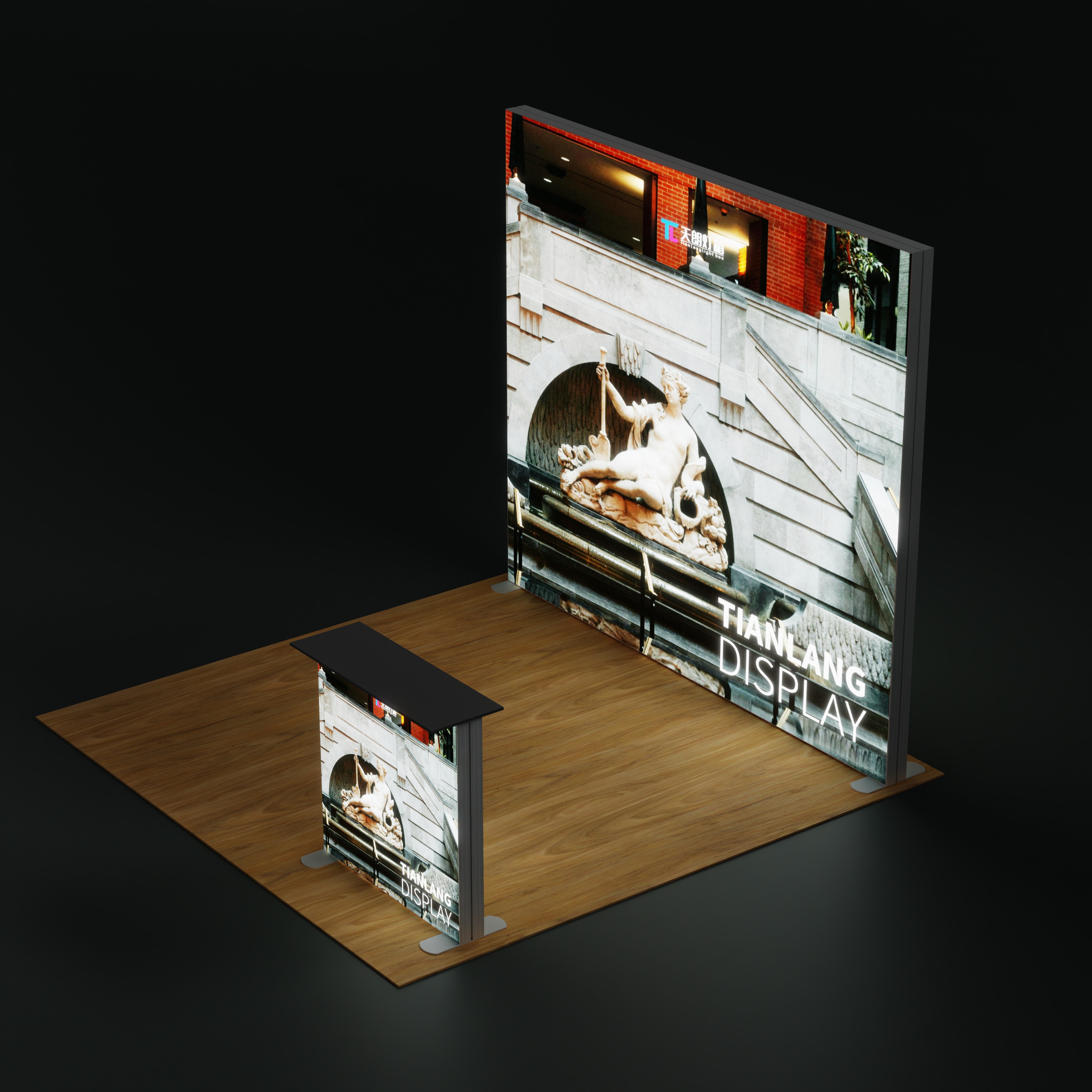
The exhibition industry has embraced sustainable design practices as environmental consciousness becomes a priority for both exhibitors and venue operators. Recycled aluminum frameworks, bamboo paneling, and low-VOC finishes are increasingly common in modern booth construction. These materials not only reduce environmental impact but often provide superior durability and aesthetic appeal compared to traditional alternatives. Exhibition designers are sourcing materials from certified sustainable suppliers and implementing waste reduction strategies throughout the design and construction process.
Modular construction systems have gained popularity due to their reusability and adaptability across multiple events. These systems can be reconfigured for different booth sizes and layouts, significantly reducing material waste and long-term costs. The modular approach also enables companies to maintain consistent branding while adapting to various venue constraints and exhibition requirements.
Energy Efficiency and Renewable Power
LED lighting systems have become the standard in modern exhibition design, offering superior energy efficiency and longer operational lifespans compared to traditional lighting solutions. Smart lighting controls automatically adjust brightness and color temperature based on ambient conditions and scheduled programming. Some advanced booth designs incorporate solar panels or other renewable energy sources to power essential systems and demonstrate corporate environmental commitments.
Energy management systems monitor and optimize power consumption throughout the exhibition period, providing detailed reports on usage patterns and efficiency metrics. These systems can automatically shut down non-essential equipment during low-traffic periods and prioritize power distribution to critical booth functions. The implementation of energy-efficient design principles often results in significant cost savings while supporting corporate sustainability initiatives.
Spatial Innovation and Architectural Elements
Open Concept and Multi-Level Designs
Contemporary booth designs favor open, flowing layouts that encourage natural visitor circulation and create inviting social spaces. Multi-level structures maximize limited floor space while providing distinct zones for different activities such as product demonstrations, private meetings, and networking events. These architectural approaches create visual interest and help organize visitor flow patterns for optimal engagement opportunities.
Suspended design elements and overhead structures add vertical dimension without consuming valuable floor space. Curved walls and organic shapes soften the geometric constraints of traditional exhibition halls, creating more welcoming and memorable environments. The strategic use of height variations and ceiling treatments helps define functional zones while maintaining visual connectivity throughout the booth space.
Flexible and Adaptable Layouts
Modern trade show booth designs emphasize adaptability to accommodate changing needs throughout the exhibition period. Movable partitions, adjustable furniture systems, and reconfigurable display elements enable real-time modifications based on traffic patterns and scheduled activities. This flexibility is particularly valuable during multi-day events where different program requirements may necessitate layout adjustments.
Modular furniture systems can be quickly reconfigured to create intimate meeting spaces, open networking areas, or formal presentation zones as needed. These adaptable elements often incorporate integrated technology connections and storage solutions to support various functional requirements. The ability to transform booth layouts throughout an event maximizes space utilization and enhances the overall visitor experience.
Brand Storytelling and Experiential Design
Immersive Brand Narratives
Modern exhibition design prioritizes emotional connection and brand storytelling through carefully crafted experiential journeys. Designers create sequential experiences that guide visitors through compelling brand narratives, using environmental elements, interactive displays, and multimedia presentations to reinforce key messages. These immersive approaches help differentiate exhibitors in crowded exhibition environments while creating lasting impressions that extend beyond the event.
Sensory design elements including custom lighting, ambient sound, and even subtle fragrances contribute to memorable brand experiences. These multi-sensory approaches engage visitors on emotional levels and improve message retention rates. The strategic integration of sensory elements requires careful coordination with venue regulations and neighboring exhibitors to ensure appropriate implementation.
Interactive Engagement Strategies
Contemporary booth designs incorporate gamification elements and interactive challenges to increase visitor engagement and dwell time. Digital scavenger hunts, virtual reality competitions, and social media integration encourage active participation while generating valuable lead information. These engagement strategies are particularly effective at attracting younger demographics and creating shareable moments that extend brand reach beyond the physical event.
Hands-on product demonstrations and maker spaces allow visitors to experience products or services directly, creating stronger emotional connections than passive displays. These interactive zones often become natural gathering points that facilitate organic networking opportunities and extended conversations between booth staff and potential customers. The design of these spaces requires careful attention to safety requirements and operational logistics.
Color Psychology and Visual Identity
Strategic Color Applications
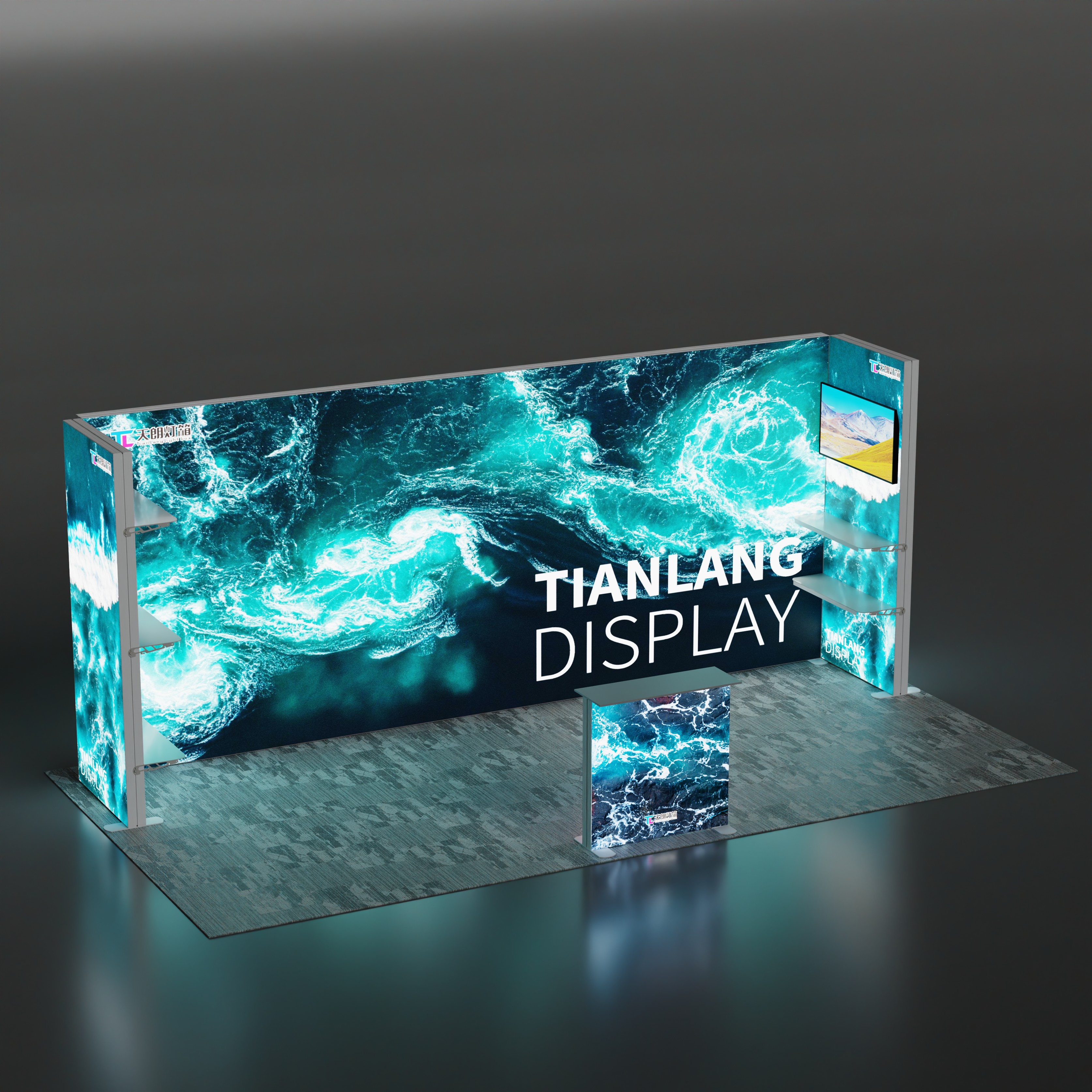
Modern exhibition design leverages color psychology principles to influence visitor behavior and emotional responses. Warm colors like oranges and reds create energy and excitement, while cool blues and greens promote trust and professionalism. The strategic application of brand colors throughout the booth environment reinforces corporate identity while creating cohesive visual experiences that support marketing objectives.
Dynamic color-changing LED systems enable real-time adjustment of booth atmosphere based on scheduled activities or visitor demographics. These adaptive color schemes can shift from energetic presentations modes to calm networking environments as needed. The technology also supports themed lighting for special events or product launches during the exhibition period.
Typography and Visual Hierarchy
Clear visual hierarchy through strategic typography choices guides visitor attention and improves information comprehension in busy exhibition environments. Large-scale environmental graphics and wayfinding elements help visitors navigate booth spaces efficiently while reinforcing brand messaging. The selection of typefaces and sizing systems requires careful consideration of viewing distances and lighting conditions typical in exhibition venues.
Integrated digital signage systems provide flexibility for message updates and multilingual content delivery during international exhibitions. These systems can automatically adjust text size and contrast based on ambient lighting conditions, ensuring optimal readability throughout varying venue conditions. The coordination of digital and printed typography elements creates cohesive visual experiences that support overall design objectives.
Future-Forward Design Concepts
Artificial Intelligence Integration
Emerging exhibition designs are beginning to incorporate artificial intelligence systems that personalize visitor experiences based on behavioral patterns and preferences. AI-powered chatbots and virtual assistants can provide instant product information and schedule meetings while booth staff focus on high-value interactions. These systems learn from visitor interactions to continuously improve response quality and recommendation accuracy.
Predictive analytics systems analyze real-time booth traffic patterns to optimize staffing levels and resource allocation throughout the exhibition period. These intelligent systems can anticipate busy periods and automatically adjust environmental settings to maintain comfortable conditions. The integration of AI technologies represents a significant advancement in exhibition efficiency and visitor satisfaction metrics.
Biometric and Contactless Technologies
Post-pandemic exhibition design increasingly emphasizes contactless interaction methods and biometric access controls for enhanced safety and convenience. Facial recognition systems can identify returning visitors and retrieve previous conversation histories, enabling more personalized follow-up interactions. Gesture-controlled interfaces eliminate the need for physical contact while providing intuitive navigation of digital content and product information.
Contactless lead capture systems use proximity sensors and mobile device integration to automatically exchange contact information without physical business card exchanges. These systems often integrate with customer relationship management platforms to provide immediate follow-up capabilities and detailed interaction tracking. The implementation of these technologies requires careful attention to privacy regulations and data security protocols.
FAQ
What are the most cost-effective design trends for small exhibitors
Small exhibitors can achieve modern design impact through strategic use of modular systems, LED lighting, and digital displays that can be reused across multiple events. Focus on one or two high-impact elements rather than trying to incorporate every trend, and consider rental options for expensive technology components to reduce upfront investments while maintaining competitive visual appeal.
How do sustainable design practices affect exhibition costs
While sustainable materials and systems may have higher initial costs, they often provide long-term savings through durability, reusability, and energy efficiency. Many sustainable design elements like LED lighting and modular construction systems reduce operational expenses over time, and some venues offer incentives for environmentally responsible exhibition practices that can offset additional upfront investments.
What technology investments provide the best return on investment
LED lighting systems and interactive touchscreen displays typically provide the strongest return on investment due to their versatility, durability, and ability to capture visitor data. These technologies enhance visitor engagement while providing measurable analytics that support future marketing decisions and booth design improvements.
How can companies measure the effectiveness of modern design trends
Effectiveness measurement should include both quantitative metrics like booth traffic, lead generation, and dwell time, as well as qualitative feedback from visitors and staff. Modern booth systems can provide detailed analytics on visitor interaction patterns, while post-event surveys and social media engagement metrics offer insights into brand perception and message retention rates.