 EN
EN
 FR
FR DE
DE PT
PT ES
ES AR
AR RU
RU

How to Choose Between Island and Peninsula Layouts for 20x20FT?
Choosing the perfect layout for your 20x20FT exhibition space is a critical decision that directly impacts your trade show success. The two primary configurations—Island and Peninsula—offer distinct advantages and present unique challenges. Understanding these differences is essential for maximizing your return on investment and creating an engaging visitor experience. A 20x20FT Island layout provides 360-degree accessibility, while a 20x20FT Peninsula layout offers three-sided exposure with a built-in backdrop. Both options require careful planning and strategic implementation to achieve optimal results in today's competitive exhibition environments.
Understanding Layout Fundamentals
Island Layout Characteristics
The 20x20FT Island layout represents the pinnacle of exhibition visibility, offering complete accessibility from all four sides. This configuration transforms your 400 square feet into an independent destination within the exhibition hall, creating opportunities for immersive brand experiences and maximum visitor engagement. Island layouts typically command premium pricing due to their prominent positioning and superior visibility advantages, making them ideal for exhibitors seeking to establish dominant market presence and generate significant brand awareness.
Modern Island configurations benefit tremendously from advanced display technologies that maintain consistent visual impact across all viewing angles. The strategic placement of exhibition light boxes within Island layouts can create compelling visual focal points that attract visitors from every direction while maintaining professional presentation standards. These illuminated displays work particularly well in Island configurations where multiple viewing perspectives require consistent messaging and visual coherence throughout the entire exhibition space.
Peninsula Layout Features
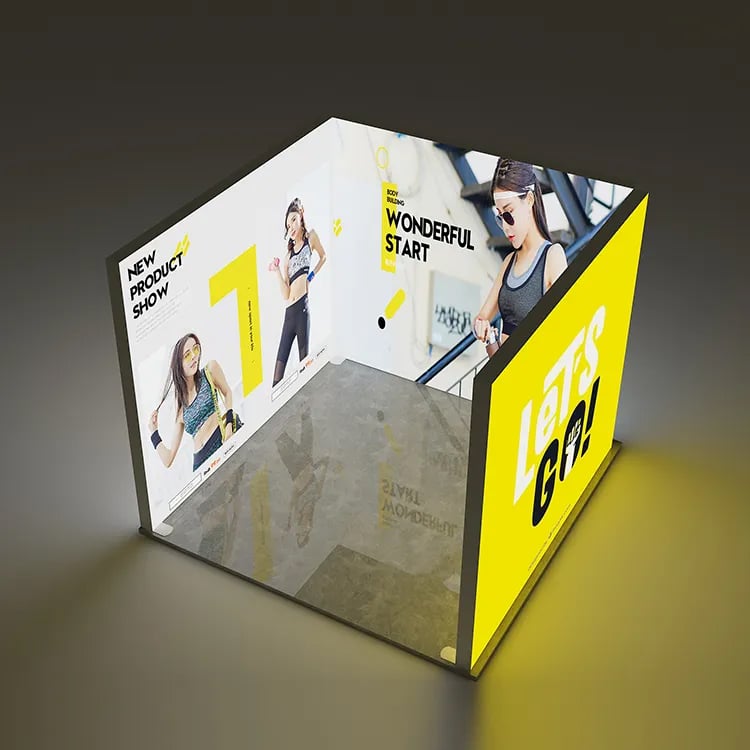
The 20x20FT Peninsula layout offers strategic positioning with three accessible sides and one typically adjacent to another exhibit or structural element. This configuration provides excellent visibility while offering potential cost advantages compared to full Island layouts. Peninsula layouts excel at creating natural traffic flow patterns that guide visitors through curated brand experiences while maintaining efficient use of exhibition space. The built-in backdrop characteristic of Peninsula layouts enables exhibitors to create private meeting areas or technical support zones without consuming valuable front-facing display real estate.
Peninsula configurations benefit from focused visual presentation strategies that maximize impact across three primary viewing angles. Exhibition light boxes incorporated into Peninsula layouts can create dramatic visual statements that capture attention from multiple approach vectors while maintaining cohesive brand messaging. The directional nature of Peninsula layouts allows exhibitors to implement sophisticated lighting designs that enhance specific display elements and create visual hierarchies that guide visitor attention toward key products or messaging elements.
Strategic Decision Factors
Budget Considerations and Resource Allocation
Budgetary constraints significantly influence layout decisions for 20x20FT exhibition spaces. Island layouts typically require approximately 25-40% greater investment compared to Peninsula configurations when considering both space rental costs and display development requirements. The comprehensive nature of Island layouts necessitates complete 360-degree design solutions that maintain visual coherence across all viewing perspectives, increasing both initial development costs and ongoing maintenance requirements. Exhibition light boxes incorporated into Island configurations must provide consistent performance across extended operational periods to justify their premium positioning within high-investment exhibition strategies.
Peninsula layouts offer more predictable budgeting frameworks through their focused three-sided design approach. Resource allocation for Peninsula configurations can prioritize specific viewing angles based on expected traffic patterns and strategic objectives. The directional nature of Peninsula layouts enables exhibitors to implement tiered investment strategies that concentrate premium display elements along primary traffic corridors while utilizing cost-effective solutions for secondary areas. Exhibition light boxes within Peninsula configurations can be strategically positioned to maximize visibility from high-traffic approaches while maintaining reasonable implementation costs through targeted placement and focused illumination requirements.
Visitor Engagement and Traffic Management
Visitor engagement strategies differ significantly between Island and Peninsula layouts for 20x20FT exhibition spaces. Island configurations enable omnidirectional visitor approaches that create natural congregation points and spontaneous interaction opportunities. The open nature of Island layouts facilitates fluid traffic movement patterns that prevent congestion and enable visitors to explore exhibition content at their preferred pace. Exhibition light boxes strategically positioned within Island configurations can serve as visual anchors that establish clear navigation pathways and create natural stopping points that encourage prolonged engagement with key messaging elements.
Peninsula layouts create more structured engagement environments that guide visitors through predefined experience sequences. The three-sided accessibility of Peninsula configurations enables exhibitors to implement sophisticated traffic management systems that optimize visitor flow while maximizing engagement opportunities. Exhibition light boxes incorporated into Peninsula layouts can establish visual hierarchies that direct attention toward primary engagement zones while creating natural progression pathways that lead visitors through comprehensive brand narratives. The directional nature of Peninsula layouts enables precise control over visitor experiences through strategic placement of interactive elements and informational displays that build understanding progressively as visitors move through the exhibition space.
Implementation Considerations
Design Integration and Visual Coherence
Design implementation approaches vary significantly between Island and Peninsula layouts for 20x20FT exhibition spaces. Island configurations require comprehensive 360-degree design solutions that maintain visual coherence across all viewing perspectives while establishing clear focal points that capture attention from multiple approach vectors. Exhibition light boxes incorporated into Island layouts must provide consistent illumination quality and color accuracy across extended viewing angles to maintain professional presentation standards throughout the entire exhibition space. The omnidirectional nature of Island layouts necessitates design strategies that prioritize visual continuity while establishing clear spatial hierarchies that guide visitor attention toward key messaging elements regardless of approach direction.
Peninsula layouts enable more focused design implementation through their directional three-sided configuration. Design strategies for Peninsula layouts can prioritize specific viewing angles based on expected traffic patterns and strategic objectives while maintaining visual coherence across accessible exhibition surfaces. Exhibition light boxes within Peninsula configurations can be strategically positioned to maximize impact along primary traffic corridors while serving as visual anchors that establish clear spatial organization throughout the exhibition environment. The directional nature of Peninsula layouts enables designers to implement progressive revelation strategies that unveil brand narratives gradually as visitors move through carefully sequenced experience pathways.
Technical Requirements and Operational Considerations
Technical implementation requirements differ substantially between Island and Peninsula layouts for 20x20FT exhibition spaces. Island configurations typically demand more complex electrical distribution systems to support omnidirectional display elements and illumination requirements. Exhibition light boxes incorporated into Island layouts require sophisticated power management systems that ensure consistent performance across all display elements while maintaining compliance with venue electrical capacity limitations. The comprehensive nature of Island layouts necessitates thorough technical planning that addresses accessibility requirements for maintenance and operational adjustments throughout extended exhibition periods.
Peninsula layouts offer more streamlined technical implementation through their focused three-sided configuration. Electrical distribution systems for Peninsula layouts can be optimized to support concentrated display clusters along primary viewing angles while minimizing infrastructure requirements for secondary areas. Exhibition light boxes within Peninsula configurations benefit from targeted illumination strategies that maximize visual impact while optimizing power consumption through strategic positioning and focused beam angles. The directional nature of Peninsula layouts enables technical planners to implement efficient cable management systems that maintain clean visual presentation while ensuring reliable access for operational adjustments and routine maintenance activities.
Frequently Asked Questions
What are the primary cost differences between Island and Peninsula layouts?
Island layouts for 20x20FT exhibition spaces typically incur 25-40% higher costs compared to Peninsula configurations, accounting for both space rental premiums and comprehensive design requirements. The omnidirectional nature of Island layouts necessitates complete 360-degree design solutions that increase material requirements and implementation complexity. Exhibition light boxes within Island configurations often require specialized mounting systems and extended illumination coverage that contribute to overall cost differentials. Peninsula layouts offer more focused investment opportunities through their three-sided configuration, enabling exhibitors to prioritize resources along primary traffic corridors while implementing cost-effective solutions for secondary display elements.
How do traffic patterns differ between Island and Peninsula configurations?
Island layouts generate omnidirectional traffic patterns that create natural congregation points and spontaneous interaction opportunities throughout 20x20FT exhibition spaces. The complete accessibility of Island configurations encourages exploratory visitor behavior that often extends engagement duration and increases content exposure. Exhibition light boxes strategically positioned within Island layouts can establish visual navigation cues that guide visitors through comprehensive experience pathways while maintaining natural traffic flow. Peninsula layouts create more structured traffic patterns that follow predictable progression sequences along three primary access points, enabling exhibitors to implement sophisticated engagement funnels that optimize conversion opportunities through strategic placement of interactive elements and informational displays.
Which layout offers better branding opportunities for 20x20FT spaces?
Both Island and Peninsula layouts offer distinct branding advantages for 20x20FT exhibition spaces. Island configurations provide complete 360-degree branding opportunities that create immersive brand environments with maximum visibility from all approach vectors. The omnidirectional nature of Island layouts enables comprehensive brand storytelling that engages visitors from multiple perspectives simultaneously. Exhibition light boxes incorporated into Island configurations can serve as dominant visual elements that establish strong brand presence throughout the entire exhibition environment. Peninsula layouts offer more focused branding opportunities through their three-sided configuration, enabling strategic emphasis along primary traffic corridors while creating natural progression pathways that build brand understanding gradually. The directional nature of Peninsula layouts allows for tiered messaging approaches that introduce brand concepts progressively as visitors move through carefully sequenced experience zones.
What maintenance considerations differ between these layout types?
Maintenance requirements vary significantly between Island and Peninsula layouts for 20x20FT exhibition spaces. Island configurations necessitate comprehensive maintenance protocols that address accessibility requirements across all four display surfaces and supporting structural elements. Exhibition light boxes within Island layouts often require specialized maintenance procedures to ensure consistent illumination quality across extended viewing angles and operational periods. The complete accessibility of Island layouts facilitates routine maintenance activities but may increase frequency requirements due to higher visitor interaction levels. Peninsula layouts enable more focused maintenance strategies through their three-sided configuration, allowing prioritized attention to primary display surfaces while implementing efficient access protocols for supporting technical systems. Exhibition light boxes within Peninsula configurations benefit from targeted maintenance approaches that maximize operational reliability while optimizing resource allocation through strategic planning based on usage patterns and performance requirements.