 EN
EN
 FR
FR DE
DE PT
PT ES
ES AR
AR RU
RU

How Can Trade Show Display Booths Be Customized for Brand Visibility?
Modern businesses face increasing competition at trade shows and exhibitions, making strategic booth design crucial for success. Companies investing in trade show display booths must balance visual appeal, functionality, and brand messaging to capture visitor attention effectively. The customization process involves multiple layers of decision-making, from structural elements to digital integration, ensuring maximum return on exhibition investment.
Successful exhibition participation requires understanding how customization transforms standard booth structures into powerful brand ambassadors. Professional exhibitors recognize that effective booth customization extends beyond superficial aesthetics, incorporating strategic positioning, interactive elements, and seamless brand integration. This comprehensive approach ensures trade show display booths deliver measurable results while creating memorable visitor experiences that drive post-event engagement and lead generation.
Strategic Framework for Booth Customization
Brand Identity Integration Methods
Effective booth customization begins with comprehensive brand identity analysis, ensuring every visual element reinforces corporate messaging and values. Professional designers evaluate existing brand guidelines, color palettes, typography standards, and logo applications to create cohesive exhibition experiences. This foundational work prevents disconnected visual presentations that confuse visitors and dilute brand recognition efforts.
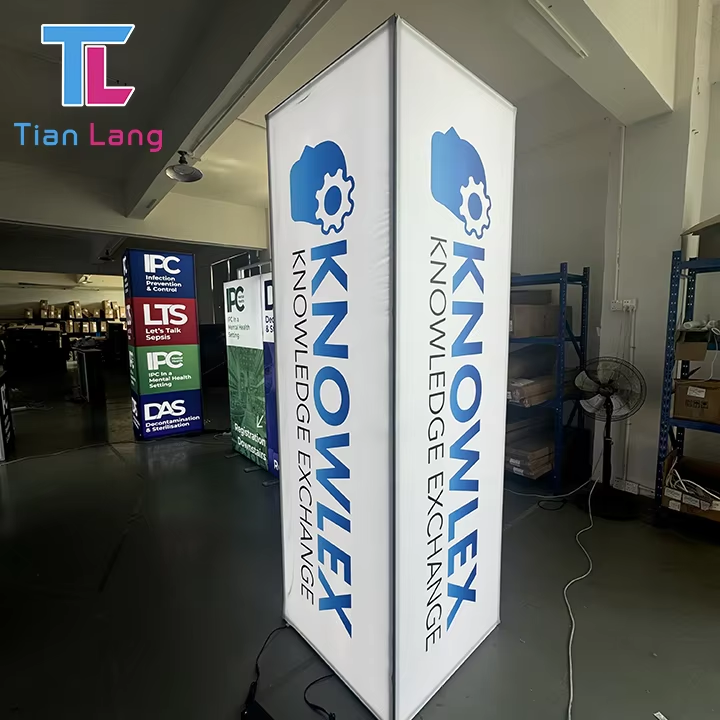
Custom graphics play pivotal roles in transforming generic booth structures into distinctive brand environments. High-resolution fabric printing, vinyl applications, and digital displays create immersive brand experiences that capture visitor attention from considerable distances. Strategic placement of branded elements ensures consistent messaging across all viewing angles while maintaining visual hierarchy that guides visitor navigation through booth spaces.
Color psychology influences visitor behavior and emotional responses, making strategic color selection essential for booth customization success. Professional designers leverage complementary color schemes that enhance brand recognition while creating visually appealing environments that encourage extended visitor engagement. These color strategies must consider exhibition hall lighting conditions and surrounding booth designs to maintain visual prominence throughout event duration.
Structural Customization Opportunities
Modern trade show display booths offer extensive structural modification possibilities that transform basic frameworks into sophisticated brand showcases. Aluminum frame systems provide exceptional flexibility for height adjustments, panel configurations, and architectural elements that create unique booth personalities. These modifications include curved walls, multi-level platforms, suspended elements, and integrated storage solutions that maximize functional space utilization.
Modular design principles enable exhibitors to reconfigure booth layouts for different venue requirements and audience sizes. Professional booth systems incorporate interchangeable components that adapt to various exhibition spaces while maintaining consistent brand presentation. This flexibility reduces long-term exhibition costs while ensuring optimal space utilization across diverse event formats and venue restrictions.
Advanced structural customization includes integrated technology mounting systems, climate control considerations, and acoustic elements that enhance visitor comfort. These modifications create professional environments that support extended business discussions while demonstrating company attention to detail and visitor experience quality. Strategic structural planning also accommodates future technology upgrades and changing exhibition requirements.
Visual Design and Graphics Customization
High-Impact Graphic Design Strategies
Contemporary graphic design for exhibition spaces requires understanding how visual elements perform under varying lighting conditions and viewing distances. Professional designers create scalable graphics that maintain clarity and impact whether viewed from across exhibition halls or during close inspection. This approach involves careful typography selection, image resolution optimization, and contrast management that ensures consistent visual performance.
Fabric printing technology enables seamless graphic applications that eliminate visible joints and create smooth, professional appearances. Advanced dye-sublimation processes produce vibrant colors that resist fading under exhibition lighting while maintaining fabric flexibility for easy installation and storage. These printing methods support complex graphic designs, photographic imagery, and gradient effects that enhance visual sophistication.
Strategic graphic placement considers visitor traffic patterns and natural sight lines to maximize message exposure and brand recognition opportunities. Professional layouts guide visitor attention through deliberate visual hierarchy while creating multiple engagement points throughout booth spaces. This systematic approach ensures key messaging receives optimal exposure while supporting natural visitor flow and interaction patterns.
Digital Integration and Interactive Elements
Modern exhibition environments demand sophisticated digital integration that enhances visitor engagement while collecting valuable lead information. LED displays, interactive touchscreens, and projection systems create dynamic content opportunities that attract attention and facilitate meaningful business conversations. These digital elements must integrate seamlessly with booth design while maintaining brand consistency across all presentation formats.
Content management systems enable real-time updates and customization during exhibition periods, allowing exhibitors to respond to audience feedback and market conditions. Professional digital integration includes backup systems, reliable connectivity solutions, and user-friendly interfaces that support staff efficiency throughout event duration. This technological infrastructure ensures consistent performance while minimizing technical disruptions that could impact visitor experiences.
Interactive demonstration areas require careful planning to accommodate multiple simultaneous presentations while maintaining visitor comfort and engagement. Professional booth layouts incorporate dedicated technology zones, comfortable seating arrangements, and acoustic considerations that support effective communication. These spaces must balance accessibility with security while providing optimal viewing conditions for product demonstrations and presentations.
Functional Customization Elements
Storage and Organization Solutions
Effective booth customization includes comprehensive storage planning that maintains clean, professional appearances while ensuring staff efficiency throughout exhibition periods. Hidden storage compartments, lockable cabinets, and organized supply areas prevent clutter accumulation that could detract from visitor experiences. Professional storage solutions accommodate marketing materials, product samples, personal belongings, and technical equipment while remaining completely invisible to exhibition visitors.
Inventory management systems within booth structures enable quick access to promotional materials, product literature, and lead collection supplies without disrupting visitor interactions. Strategic storage placement considers staff workflow patterns and frequently accessed items to minimize retrieval time and maintain professional presentations. These organizational elements contribute significantly to booth operational efficiency and staff confidence during high-traffic periods.
Security considerations for storage solutions protect valuable equipment, confidential materials, and personal belongings throughout exhibition periods. Professional booth designs incorporate discrete locking mechanisms, alarm systems, and surveillance equipment that provide comprehensive protection without creating fortress-like appearances that could intimidate visitors. These security measures must balance protection with accessibility while maintaining welcoming booth atmospheres.
Comfort and Hospitality Features
Visitor comfort significantly influences engagement duration and business conversation quality, making hospitality features essential customization elements for successful trade show display booths. Professional seating areas, climate control systems, and refreshment stations create welcoming environments that encourage extended discussions and relationship building. These comfort features demonstrate company consideration for visitor experiences while providing competitive advantages in crowded exhibition environments.
Private meeting spaces within booth structures enable confidential business discussions while maintaining visual connection to main exhibition areas. Professional partition systems, acoustic treatments, and comfortable furnishing create productive meeting environments that support serious business negotiations. These private areas must balance exclusivity with accessibility while maintaining sight lines that allow staff monitoring of overall booth activities.
Lighting customization creates appropriate ambiance for different booth zones while ensuring optimal visibility for product displays and business materials. Professional lighting systems incorporate adjustable elements that accommodate varying exhibition hall conditions and time-of-day requirements. These lighting solutions must support photography, video recording, and detailed product examination while creating inviting atmospheres that encourage visitor exploration.
Technology Integration and Connectivity
Power and Infrastructure Planning
Modern exhibition booths require sophisticated electrical planning that accommodates multiple devices, lighting systems, and interactive technologies without creating safety hazards or visual clutter. Professional electrical design includes adequate power distribution, surge protection, and backup systems that ensure reliable operation throughout exhibition periods. These infrastructure elements must integrate seamlessly with booth aesthetics while meeting stringent safety requirements and venue regulations.
Connectivity solutions enable seamless integration of demonstration equipment, payment systems, lead collection devices, and communication tools that support efficient booth operations. Professional networking infrastructure includes wireless access points, wired connections, and mobile device charging stations that accommodate staff and visitor technology needs. These connectivity features must provide reliable performance while maintaining security protocols that protect confidential business information.
Cable management systems prevent tripping hazards while maintaining professional appearances that reflect company attention to safety and detail. Hidden conduits, floor-mounted channels, and overhead routing solutions eliminate visible cables that could detract from booth aesthetics or create safety concerns. Professional cable management also facilitates quick setup and breakdown procedures while protecting expensive equipment from damage during transportation and installation.
Audio-Visual System Integration
Professional audio systems enable effective product presentations, background music, and public address capabilities that enhance visitor engagement without disturbing neighboring exhibitors. Sound management requires careful speaker placement, volume control systems, and acoustic treatments that contain audio within booth boundaries. These audio solutions must support various presentation formats while maintaining clear communication throughout exhibition periods.
Video display systems provide dynamic content opportunities that attract visitor attention while delivering key marketing messages and product demonstrations. Professional video integration includes multiple display formats, content management capabilities, and backup systems that ensure consistent performance. These visual systems must integrate with booth design elements while providing optimal viewing angles for diverse audience configurations and booth layouts.
Live streaming and recording capabilities enable broader audience reach while creating valuable content for post-event marketing activities. Professional broadcasting equipment requires dedicated technical support, reliable connectivity, and appropriate lighting conditions that ensure high-quality production values. These capabilities extend exhibition investment returns while creating ongoing marketing assets that support year-round promotional activities.
Sustainability and Environmental Considerations
Eco-Friendly Material Selection
Contemporary businesses increasingly prioritize sustainable exhibition practices that demonstrate environmental responsibility while maintaining professional presentation standards. Eco-friendly booth materials include recycled aluminum frames, sustainable fabric options, and non-toxic printing processes that reduce environmental impact without compromising visual quality. These material choices align with corporate sustainability goals while appealing to environmentally conscious customers and partners.
Reusable booth components reduce waste generation while providing long-term cost advantages through multiple exhibition cycles. Professional modular systems enable component replacement and upgrade without complete booth reconstruction, extending useful life while maintaining contemporary appearances. This sustainability approach supports both environmental goals and budget optimization through reduced replacement frequencies and transportation requirements.
Energy-efficient lighting and technology systems reduce power consumption while maintaining optimal booth performance and visitor experiences. LED lighting systems, efficient displays, and smart power management reduce exhibition costs while demonstrating corporate commitment to environmental stewardship. These efficiency measures create competitive advantages while supporting corporate sustainability reporting requirements and environmental certifications.
Waste Reduction and Recycling Programs
Comprehensive waste management planning minimizes exhibition environmental impact while maintaining operational efficiency throughout event periods. Professional booth designs incorporate recycling stations, composting systems, and waste reduction protocols that support sustainable exhibition practices. These programs require staff training and visitor education while creating positive brand associations with environmental responsibility.
Digital alternatives to printed materials reduce paper consumption while providing interactive experiences that engage visitors more effectively than traditional brochures. Electronic catalogs, digital business cards, and online resource libraries eliminate physical waste while improving lead tracking and follow-up capabilities. These digital solutions often provide superior functionality while supporting environmental goals and operational efficiency.
Post-exhibition material recovery programs ensure valuable booth components receive appropriate recycling or repurposing treatment rather than disposal. Professional service providers offer material collection, refurbishment, and redistribution services that extend component useful life while reducing environmental impact. These programs often provide tax advantages while supporting community organizations and educational institutions.
Budget Optimization Strategies
Cost-Effective Customization Approaches
Strategic budget allocation maximizes customization impact while maintaining financial discipline throughout exhibition planning processes. Professional exhibitors prioritize high-visibility elements that deliver maximum brand exposure while identifying areas where standard solutions provide adequate performance. This balanced approach ensures optimal return on investment while maintaining professional presentation standards that support business objectives.
Phased customization programs enable gradual booth enhancement over multiple exhibition cycles, spreading costs while building comprehensive brand environments. Professional planning identifies immediate needs, medium-term improvements, and long-term enhancement opportunities that create sustainable development pathways. This systematic approach prevents budget strain while ensuring continuous improvement and competitive positioning maintenance.
Shared resource utilization reduces individual booth costs while maintaining customization flexibility through collaborative arrangements with compatible companies. Professional coordination enables cost-sharing for common elements while preserving individual brand identity and competitive positioning. These collaborative approaches require careful planning and clear agreements while providing significant cost advantages for participating organizations.
Return on Investment Measurement
Comprehensive performance tracking enables accurate assessment of customization effectiveness and future investment planning. Professional measurement systems track visitor engagement, lead quality, conversion rates, and brand recognition metrics that quantify booth performance. These measurement capabilities provide data-driven insights for continuous improvement while justifying exhibition investments to corporate stakeholders.
Lead attribution systems connect booth interactions to subsequent business outcomes, providing accurate return on investment calculations for exhibition activities. Professional tracking includes visitor journey mapping, engagement scoring, and conversion timeline analysis that demonstrate exhibition value. These attribution capabilities support budget justification while identifying optimization opportunities for future events.
Competitive analysis provides context for booth performance evaluation while identifying improvement opportunities and industry best practices. Professional benchmarking includes visitor traffic analysis, engagement comparison, and brand recognition assessment relative to industry standards. These comparative insights guide strategic planning while ensuring competitive positioning maintenance throughout changing market conditions.
FAQ
What factors should companies consider when selecting customizable booth systems?
Companies should evaluate booth modularity, transportation requirements, setup complexity, and long-term expansion capabilities when selecting customizable systems. Professional assessment includes venue compatibility, storage needs, staff training requirements, and total cost of ownership calculations. Additionally, consideration of technology integration capabilities, sustainability features, and supplier support services ensures optimal system selection for specific business requirements and exhibition strategies.
How can businesses measure the effectiveness of booth customization investments?
Effective measurement requires establishing baseline metrics before customization, then tracking visitor engagement, lead quality, conversion rates, and brand recognition improvements. Professional measurement systems include traffic analysis, interaction duration tracking, and post-event survey data that quantify customization impact. Additionally, comparing performance across multiple events and conducting competitive analysis provides comprehensive assessment of customization return on investment and optimization opportunities.
What are the most common mistakes companies make during booth customization planning?
Common mistakes include inadequate budget allocation for logistics and installation, insufficient consideration of venue restrictions, and poor integration between visual design and functional requirements. Professional planning prevents these issues through comprehensive venue analysis, realistic timeline development, and coordinated design approaches that balance aesthetics with operational needs. Additionally, neglecting staff training, backup planning, and post-event evaluation can significantly reduce customization effectiveness and return on investment.
How often should companies update or refresh their booth customization elements?
Booth refresh frequency depends on exhibition schedule, brand evolution, product lifecycle, and competitive landscape changes. Professional best practices recommend annual graphic updates, bi-annual technology reviews, and comprehensive structural assessment every three to five years. Additionally, monitoring visitor feedback, tracking performance metrics, and conducting competitive analysis help determine optimal refresh timing while ensuring continued effectiveness and market competitiveness throughout changing business conditions.