 EN
EN
 FR
FR DE
DE PT
PT ES
ES AR
AR BG
BG HR
HR CS
CS DA
DA FI
FI NL
NL EL
EL IT
IT JA
JA KO
KO NO
NO PL
PL RO
RO RU
RU SV
SV CA
CA TL
TL IW
IW LV
LV LT
LT SR
SR SK
SK SL
SL ET
ET MT
MT TH
TH FA
FA AF
AF MS
MS SW
SW GA
GA KA
KA

Kaj naredi razstavne stende učinkovite pri privabljanju obiskovalcev?
V današnjem konkurenčnem poslovnem okolju podjetja vsako leto vložijo milijone dolarjev v sejme in razstave, da predstavijo svoje iZDELKI in storitve. Uspeh teh naložb pogosto zavisi od enega ključnega dejavnika: učinkovitosti njihovih stojališča za trgovinske izložbe . Ti specializirani objekti predstavljajo prvo točko stika med podjetji in potencialnimi strankami, kar naredi njihovo obliko in funkcionalnost izjemno pomembno za doseganje tržilnih ciljev. Razumevanje tega, kaj naredi te prikaze res učinkovite, lahko pomeni razliko med uspešnim izložba in dragovrnostno zamujeno priložnostjo.
Osnovni elementi oblikovanja, ki privlačijo pozornost
Vizualni vpliv in prepoznavnost blagovne znamke
Najučinkovitejši sejem razstavni okviri takoj sporočajo blagovno identiteto podjetja prek strateških vizualnih elementov. Spreteni grafični elementi, usklajene barvne sheme in ne pozabi logotipi delujejo skupaj, da ustvarijo takojšnjo povezavo z obiskovalci. Raziskave kažejo, da obiskovalci v povprečju porabijo osem sekund, da se odločijo, ali bodo približali okvirju, kar naredi prvem vtisu izjemno pomembnega. Visoko kakovostne slike in profesionalni dizajnerski elementi pomagajo uveljaviti verodostojnost in pritegniti potencialne stranke v razstavni prostor.
Osvetlitev ima enako pomembno vlogo pri ustvarjanju vizualnega učinka na razstavnih površinah. Strategična osvetlitev poudari ključne izdelke, ustvari atmosfero in zagotovi vidnost tudi v polnih konvencijskih dvoranah. LED osvetlitveni sistemi so postajali vse bolj priljubljeni zaradi svoje energetske učinkovitosti, univerzalnosti in sposobnosti ustvarjanja dinamičnih prikazov, ki se spreminjajo skozi dan. Kombinacija ustrezne osvetlitve in privlačnih grafičnih elementov preoblikuje navadne prikaze v močna tržna orodja, ki se izstopajo med konkurenco.
Izraba prostora in optimizacija postavitve
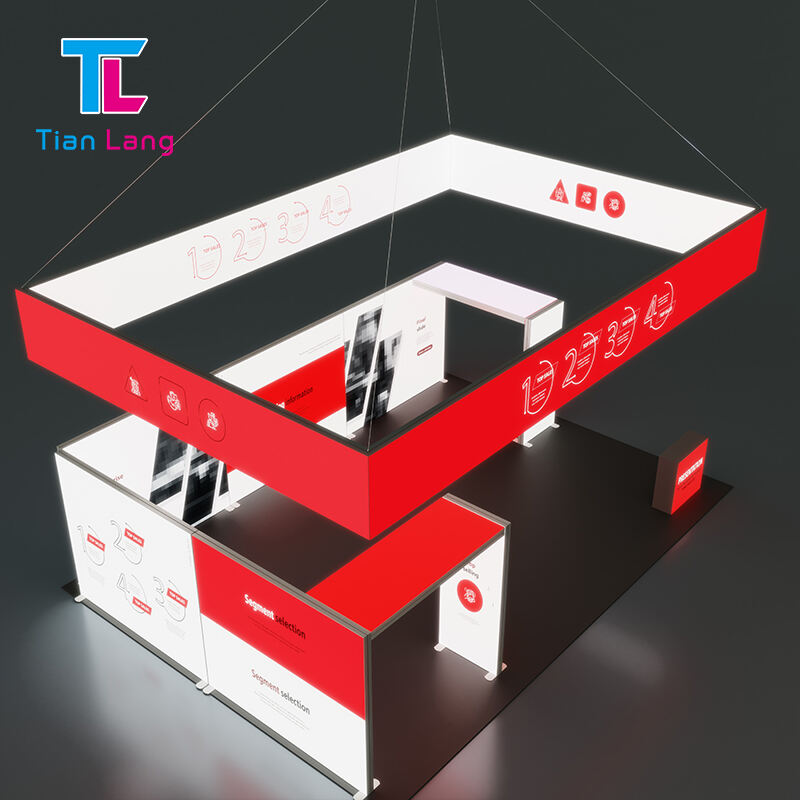
Učinkovite razporeditve stendov maksimalno izkoriščajo razpoložljiv prostor in hkrati ustvarjajo naravne vzorce prometa, ki spodbujajo obiskalcev k sodelovanju. Poklicni dizajnerji vedo, kako uravnotežiti odprte prostore za demonstracije z zasebnimi prostori za zaupne pogovore. Strateška postavitev oglasnih plošč, srezovalnih prostorov in informacijskih šalterjev vodi obiskovalce skozi preudarno načrtovano izkušnjo, ki podpira zanimanje in omogoča pomembna srečanja.
Večstopenjske prikazne rešitve in modularne komponente omogočajo razstavljavcem ustvarjanje impresivnih prezentacij ne glede na dodeljeni talni prostor. Navpični elementi privlačijo pozornost iz celotne razstavne dvorane in hkrati ponujajo dodatno površino za blagovno znamko ter prikaz izdelkov. Najuspešnejši stendi vključujejo fleksibilne dizajnerske elemente, ki jih je mogoče prilagoditi različnim dogodkom in prostorom, kar poveča donosnost naložbe na več razstavah.
Integracija tehnologije in interaktivne funkcije
Digitalne prikazne rešitve
Sodobni razstavni okviri na sejmih vse pogosteje vključujejo digitalne zaslone, tablete in interaktivne kioske, da bi obiskovalce povezali na smiselne načine. Ti tehnološki elementi omogočajo dinamično predstavitev vsebin, s čimer podjetja lahko prikažejo več izdelkov, ponazorijo zapletene procese in predstavijo personalizirane predstavitve glede na zanimanja obiskovalcev. Videoposnetki bolj učinkovito pritegnejo pozornost kot statični prikazi in lahko sporočajo zapletene informacije v enostavno razumljivih formatih.
Dotikalni vmesniki omogočajo obiskovalcem, da samostojno raziskujejo izdelke in storitve, dostopajo do podrobnih tehničnih specifikacij, primerov uporabe ter multimedijskih vsebin, ne da bi za to potrebovali stalno prisotnost osebja. Ta samostojni pristop privlači sodobne potrošnike, ki raje samostojno raziskujejo, preden stopijo v stik s prodajalci. Dobro zasnovani digitalni vmesniki tudi zbirajo dragocene podatke o obiskovalcih prek interaktivnih anket, obrazcev za kontakt in izborov naklonjenosti izdelkom.
Razširjena resničnost in virtualne predstavitve
Najnovejše razstavne prikaze zdaj vključujejo izkušnje razširjene resničnosti, ki obiskovalcem omogočajo ogled izdelkov v njihovem lastnem okolju ali raziskovanje kompleksnih sistemov prek vsehlepljivih predstavitev. Te tehnologije ustvarjajo ne pozabne izkušnje, ki razlikujejo razstavljavce od konkurence, hkrati pa ponujajo praktično vrednost potencialnim strankam. Virtualna resničnost z napravami za glavo lahko prenese obiskovalce v proizvodne objekte, prikaže velikoprostorske namestitve ali predstavi izdelke, ki jih ni mogoče fizično praktično prikazati.
Interaktivno projekcijsko preslikovanje in holografske prikazovalne plošče ustvarjajo spektakularne vizualne izkušnje, ki povzročajo pozornost in vključenost na družbenih omrežjih. Te napredne tehnologije postavljajo podjetja kot inovativne vodilne igralce v panogi ter omogočajo edinstvene priložnosti za pripovedovanje zgodbe, ki najdejo odziv pri ciljnih publiki. Ključ uspešne integracije tehnologij je zagotoviti, da ti elementi izboljšajo, ne pa preglasiijo osnovno tržno sporočilo.
Strateško razporejanje osebja in vključevanje obiskovalcev
Usposabljanje in razporejanje strokovnega osebja
Tudi najbolj impresivni fizični prikazi potrebujejo usposobljeno osebje, da bi maksimalno povečali učinkovitost pri pridobivanju vodil in gradnji odnosov. Uspešni razstavljavci vlagajo veliko v usposabljanje svojega osebja na stojnicah, da bi obiskovalce strokovno vključevali, učinkovito kvalificirali potenciale stranke in jasno sporočali ključne vrednostne ponudbe. Člani osebja morajo uravnotežiti prijaznost in dostopnost z izkušenostmi, s tem da ustvarijo vabljivo okolje, hkrati pa prikazujejo globoko znanje izdelkov in razumevanje panoge.
Strateško razporejanje osebja vključuje razporeditev ustrezne količine predstavnikov z dopolnjevalnimi veščinami po različnih področjih razstavnega prostora. Tehnični strokovnjaki obravnavajo zapletena vprašanja glede izdelkov, medtem ko se prodajni strokovnjaki osredotočajo na gradnjo odnosov in kvalifikacijo vodil. Pomožno osebje opravlja administrativne naloge in zagotavlja gladko delovanje med celotnim dogodkom. Ta usklajen pristop zagotavlja, da vsak stik z obiskovalcem prispeva k ciljem podjetja na razstavi.
Sistemi za zajem vodil in nadaljnje postopke
Učinkoviti razstavni prikazi vključujejo napredne sisteme za zajem vodil, ki učinkovito zbirajo informacije obiskovalcev, ne da bi ustvarjali ovire pri vključevanju. Sodobne rešitve vključujejo bralnike žetonskih kartic, QR kode in mobilne aplikacije, ki poenostavijo zbiranje podatkov in hkrati ponujajo takojšnjo vrednost potencialnim strankam. Najuspešnejši sistemi se brezhibno integrirajo s platformami za upravljanje odnosov z strankami, kar omogoča hitre nadaljnje korake in kampanje za nego strank.
Analitika v realnem času pomaga osebju na stojnicah razumeti vzorce obnašanja obiskovalcev, priljubljene čase predstavitev in obdobja največje obiskanosti. Te informacije omogočajo dinamične prilagoditve ravni osebja, urnikov predstavitev in promocijskih dejavnosti med dogodkom. Analiza po koncu sejma nudi dragocene vpoglede za izboljšanje prihodnjih razstavnih nastopov in maksimizacijo donosa naložbe.
Optimizacija proračuna in praktični vidiki
Stroškovno učinkovite rešitve v načrtovanju
Pametni razstavljavci razumejo, da učinkovite razstavne plošče ne zahtevajo nujno ogromnih proračunov, če so strategično zasnovane z namenom dolgoročne uporabe. Modularni sistemi omogočajo fleksibilnost za različne velikosti in konfiguracije stendov ter porazdelitev stroškov na več dogodkov. Iznajemne možnosti omogočajo dostop do visoko kakovostnih razstavnih plošč za podjetja z omejenimi razstavnimi urniki ali tiste, ki preizkušajo nove trge, preden naredijo pomembne naložbe.
Prenosne in lahke konstrukcije zmanjšujejo prevozne stroške in poenostavljajo postopke sestavljanja in razstavljanja. Ti praktični vidiki postajajo vse pomembnejši, saj podjetja vsako leto sodelujejo na več razstavah. Najbolj učinkovite rešitve uravnotežijo vizualni vpliv in operativno učinkovitost, kar zagotavlja, da impresivne predstavitve ne ogrozijo rentabilnosti ali logistične izvedljivosti.
Održivost in okoljske vprašanja
Vse večjo vlogo pri odločanju o oblikovanju razstavnih prostorov igra zavest o okolju, saj podjetja želijo svojo udeležbo na sejmih uskladiti s podjetniškimi pobudami za trajnostnost. Večkratno uporabni materiali, energetsko učinkoviti razsvetljavi in minimalno pakiranje zmanjšujejo obremenitev okolja in hkrati pogosto omogočajo prihranke na dolgi rok. Digitalni prikazi odpravljajo potrebo po tiskanih materialih, ki hitro zastare, s čimer podpirajo tako cilje trajnostnosti kot operativno učinkovitost.
Prakse trajnostnega oblikovanja resonirajo tudi z obiskovalci, ki so zavedni okoljskih vprašanj, in lahko postanejo močni dejavniki razlikovanja na konkurenčnih trgih. Podjetja, ki s svojo razstavno podobo kažejo odgovornost do okolja, pogosto ugotovijo, da ta zavezanost izboljša splošno zaznavo blagovne znamke ter privlači stranke in partnerje z enakimi vrednotami.
Merjenje uspešnosti in donosa naložbe
Kazalniki zmogljivosti in analitika
Uspešni razstavninski programi zahtevajo celovite sisteme merjenja, ki spremljajo tako kvantitativne kot kvalitativne rezultate sodelovanja na sejmih. Metrike glede količine in kakovosti pridobljenih kontaktov zagotavljajo takojšnjo povratno informacijo o učinkovitosti stojnice, medtem ko dolgoročno spremljanje razkriva stopnje pretvorbe in pripis prihodkov. Napredne analitične platforme omogočajo zdaj tudi spremljanje ravni vključenosti obiskovalcev v realnem času, priljubljene vsebinske dele in optimalne čase predstavitve.
Tehnologija toplotnih kart in analiza tokov obiskovalcev razkrivata, kako obiskovalci medsebojno delujejo z različnimi elementi razstave, kar pomaga pri izboljšanju prihodnjega dizajna in odločitvah o postavitvi vsebin. Ti vpogledi pomoagjo razstavljalcem pri stalnem optimiranju njihovih predstavitev, da vsako sodelovanje na sejmu izkorišča prejšnje izkušnje ter spodbuja postopna izboljšanja zmogljivosti.
Dolgoročno strategsko načrtovanje
Najučinkovitejši razstavnih programi vključujejo posamezne razstave v širše tržne strategije, ki podpirajo dolgoročne poslovne cilje. Ta pristop vključuje izbiro dogodkov, ki so usklajeni s karakteristikami ciljnega trga, časovno uskladitev sodelovanja za podporo uvedbam novih izdelkov ali širitvi na trge ter usklajevanje sporočil z drugimi tržnimi kanali za največji učinek.
Strateško načrtovanje zajema tudi naložbe v razširljive sisteme razstavnih stendov, ki lahko rastejo skupaj z zahtevami podjetja in se prilagajajo spreminjajočim se tržnim razmeram. Napredno razmišljujoči razstavljavci razmišljajo, kako bodo njihove naložbe v stende služile prihodnjim potrebam, hkrati pa zagotavljale takojšnjo vrednost za trenutne cilje. Ta uravnotežen pristop zagotavlja vzdržne razstavne programe, ki daljši čas ustvarjajo pozitivne donose.
Pogosto zastavljena vprašanja
Kakšna je povprečna cena učinkovitega razstavnega stenda
Cena razstavnih stendov se zelo razlikuje glede na velikost, zapletenost in značilnosti. Osnovni prenosni stendi običajno stanejo od 2.000 do 10.000 dolarjev, medtem ko lahko prilagojeni sistemi stanejo 50.000 dolarjev ali več. Večina podjetij ugotovi, da modularni sistemi v razponu od 15.000 do 30.000 dolarjev ponujajo najboljšo ravnovesje med učinkom, fleksibilnostjo in vrednostjo za redno sodelovanje na razstavah.
Kako dolgo vnaprej bi morala podjetja načrtovati svojo strategijo razstavnih stendov
Uspešno načrtovanje razstave se običajno začne 6–12 mesecev pred dogodkom, kar omogoča dovolj časa za razvoj dizajna, izdelavo in usposabljanje osebja. Za zapletene prilagojene stende je morda potrebno daljše načrtovanje, še posebej v vrhnji sezoni razstav, ko so dobavitelji bolj obremenjeni. Zgodnje načrtovanje omogoča tudi boljše rezervacije hotelov in potnih priprav ter več možnosti za pogajanje z dobavitelji.
Kateri so najpogostejši napaki, ki jih podjetja delajo pri svojih razstavnih stendih
Pogoste napake vključujejo prenatrpanost prikazovalnih površin s preveč informacijami, zanemarjanje ustrezne usposabljanja osebja, nezmožnost učinkovitega zajemanja podatkov obiskovalcev ter neprimerno počasno nadaljevanje stikov po dogodkih. Mnoge podjetje tudi podcenjujejo pomembnost razsvetljave in ne ustvarijo jasnih vzorcev prometnih tokov, ki spodbujajo vključevanje obiskovalcev po celotnem razstavnem prostoru.
Kako lahko podjetja merijo učinkovitost svojih naložb na sejmih
Učinkovito merjenje združuje takojšnje metrike, kot so število obiskovalcev in pridobivanje potencialnih strank, z dolgoročnim spremljanjem stopnje pretvorbe in pripisovanjem prihodkov. Podjetja morajo pred vsakim dogodkom določiti jasne cilje ter uvesti sisteme za spremljanje količinskih rezultatov in kakovostne povratne informacije. Ankete po dogodku in intervjuji s strankami omogočajo dragocene vpoglede v dojemanje obiskovalcev in kakovost izkušnje, ki dopolnjujejo številčne podatke o učinkovitosti.