 EN
EN
 FR
FR DE
DE PT
PT ES
ES AR
AR RU
RU

Illuminate Your Brand: The Magic of Exhibition Light Boxes in Your Independent Station
Illuminate Your Brand: The Magic of Exhibition Light Boxes in Your Independent Station
The Allure of Exhibition Light Boxes
In the bustling world of exhibitions, where brands vie for attention, exhibition light boxes emerge as powerful tools that can transform a booth from ordinary to extraordinary. These light boxes are not just simple displays; they are dynamic canvases that breathe life into brand stories, products, and services.
The first and most striking allure of exhibition light boxes lies in their ability to command attention instantly. In a crowded exhibition hall filled with countless booths and competing visual stimuli, a well - lit light box stands out like a lighthouse in the night. The bright, evenly - distributed illumination draws the eyes of passers - by, making it impossible for them to ignore. For instance, at the Consumer Electronics Show (CES), where thousands of companies showcase their latest tech innovations, exhibitors often use large - scale, high - resolution light boxes to display their new gadgets. The vivid colors and sharp images on the light boxes cut through the chaos, effectively guiding the flow of foot traffic towards their booths.
Exhibition light boxes also have an uncanny ability to enhance the perceived quality of a brand. High - quality materials, precise printing, and advanced lighting technology combine to create a visual experience that exudes professionalism and sophistication. When a brand's logo, tagline, or product images are presented in a sleek, well - crafted light box, it sends a message to the audience that the brand values quality and pays attention to detail. A luxury fashion brand, for example, might use a backlit light box with a soft, diffused glow to display its latest collection. The elegant lighting and high - end finish of the light box mirror the brand's image of exclusivity and refinement.
Moreover, these light boxes offer a high degree of flexibility in terms of design and content. Brands can customize the size, shape, and layout of the light boxes to fit their specific booth space and exhibition goals. They can also change the content on the light boxes relatively easily, allowing for quick adaptations to different marketing campaigns, product launches, or audience segments. This means that a company can use the same light box framework throughout the exhibition season but update the graphics to promote new products or highlight different features, maximizing the return on investment.
Types of Exhibition Light Boxes
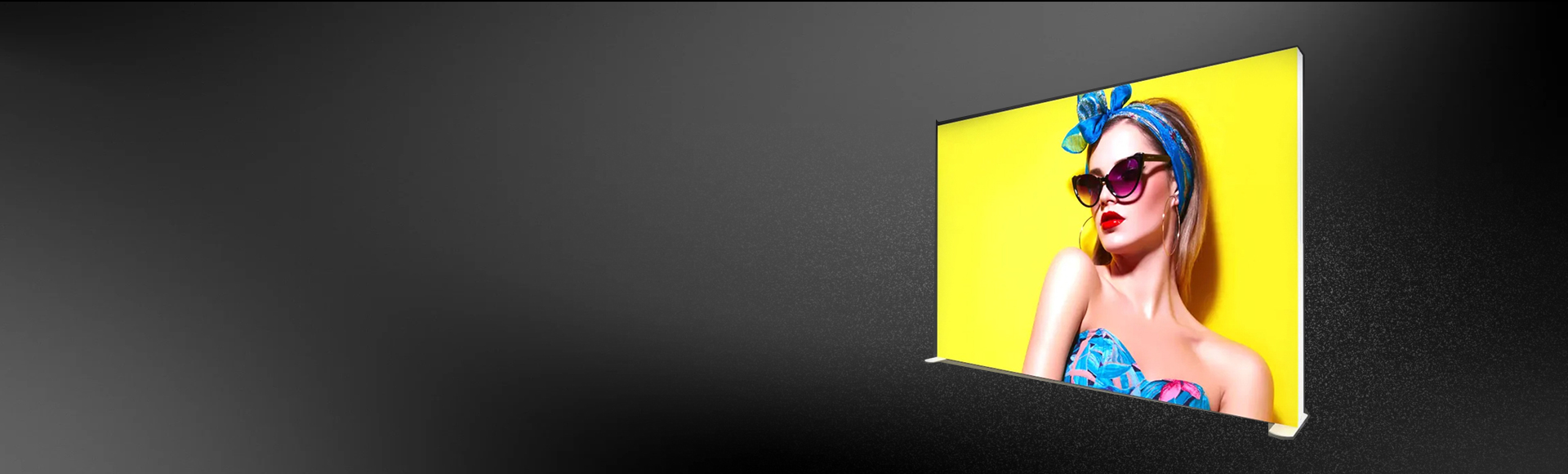
1. LED Light Boxes
LED light boxes have become extremely popular in exhibition settings due to their energy - efficient and bright illumination. These light boxes use light - emitting diodes as the light source. LEDs consume significantly less power compared to traditional fluorescent lights, which not only reduces the overall energy costs during the exhibition but also makes them an eco - friendly choice. For example, a large - scale LED light box used in a multi - day trade show can save a substantial amount of electricity compared to its non - LED counterparts.
The light emitted by LEDs is also highly customizable in terms of color. They can produce a wide spectrum of colors, allowing brands to match the lighting to their brand colors precisely. This is particularly useful for creating a cohesive brand experience. A food and beverage brand might use warm - colored LEDs to create an inviting and appetizing atmosphere around their product displays on the light box. Additionally, LEDs have a long lifespan, which means less maintenance and replacement during the exhibition period.
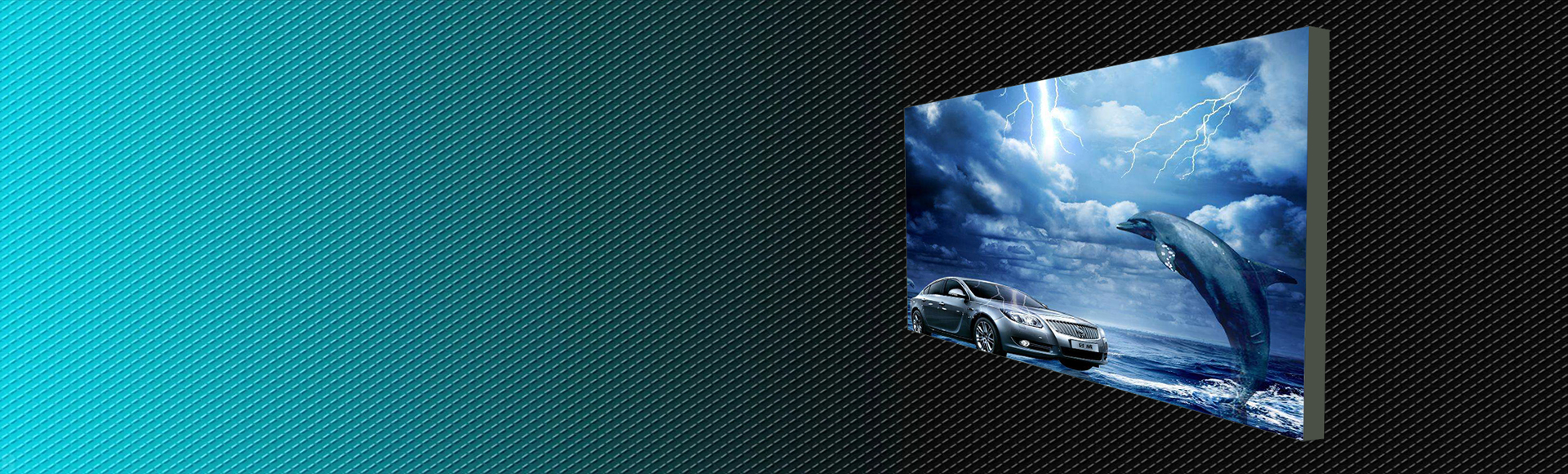
2. Fabric (Backlit) or “Kabbu” Light Boxes
Fabric light boxes, often referred to as backlit fabric light boxes or Kabbu light boxes, are known for their soft, diffused light and high - quality graphic reproduction. The fabric used is typically a high - resolution, stretchable material that can be printed with detailed and vibrant images. The light source is usually placed behind the fabric, and the fabric evenly distributes the light, creating a smooth, glare - free display.
One of the main advantages of fabric light boxes is their portability and ease of assembly. They can be easily folded and transported, making them ideal for exhibitors who need to travel to different trade shows. For instance, a startup company that participates in multiple regional exhibitions can quickly set up and take down their fabric light boxes without the need for complex tools or a large crew. The fabric also gives a more modern and sleek look compared to some traditional rigid - panel light boxes, which can make a booth stand out in a more contemporary exhibition environment.
Design Elements for Impact
1. Color Harmony and Contrast
Color is a powerful tool in exhibition light box design. A harmonious color scheme can create a sense of unity and brand consistency. For example, if a brand has a signature color like Coca - Cola's red, using various shades of red in the light box design, along with complementary colors such as white for text, can reinforce the brand's identity. According to color psychology, warm colors like red and orange can evoke feelings of excitement and energy, making them suitable for products that aim to attract immediate attention, such as new product launches or limited - edition offers.
On the other hand, contrast can make the light box stand out even more. High - contrast color combinations, such as black and yellow, are highly visible and can quickly catch the eye in a busy exhibition environment. A technology startup might use a dark - colored background on their light box with bright, neon - like accents to convey a sense of innovation and modernity. However, it's crucial to ensure that the contrast doesn't sacrifice readability. The text and graphics should still be easy to distinguish, and the overall color combination should be pleasing to the eye.
2. Content Layout for Readability and Engagement
The layout of content on an exhibition light box is key to effectively communicating with the audience. A clear hierarchy of information should be established. The most important message, such as a product's unique selling point or a brand's key value proposition, should be prominently displayed. This could be achieved by using larger fonts, bold colors, or placing the text in the center or top - third of the light box, as this is where the human eye is naturally drawn first.
For example, in a light box promoting a new smartphone, the main feature like "5 - G Ultra - Fast Connectivity" could be in large, eye - catching letters at the top, followed by smaller text providing more details about the feature and the phone's other capabilities. Images and graphics should also be arranged in a way that complements the text. A large, high - quality image of the smartphone in use can enhance the visual appeal and give the audience a better understanding of the product. White space should not be overlooked either. Adequate white space around elements can prevent the light box from looking cluttered and make it easier for the audience to focus on the key messages.
3. Graphic Design and Visual Appeal
Graphics play a significant role in making an exhibition light box visually appealing. High - resolution images are a must, as they can showcase products in their best light. For instance, a luxury car brand would use high - definition images of their vehicles on the light box, highlighting every curve and detail. Infographics can also be an effective way to present complex information in a more digestible format. A software company might use an infographic on their light box to explain the step - by - step process of how their new project management software works.
In addition, the use of icons can enhance the visual communication. Icons are universally understood symbols that can quickly convey a message. A food exhibition light box might use icons of different ingredients to represent the freshness and quality of the products. When it comes to the overall graphic style, it should align with the brand's image and the theme of the exhibition. A modern, minimalist graphic style could be suitable for a tech - focused exhibition, while a more elaborate, artistic style might be fitting for a fashion or art exhibition.
Installation and Maintenance Tips
1. Installation Location Selection
When choosing an installation location for exhibition light boxes, first and foremost, consider the flow of foot traffic in the exhibition hall. Place the light boxes in areas with high visibility, such as near the entrance of your booth, along main walkways, or at the corners where people are more likely to pause. For example, if your booth is located in a large exhibition hall with multiple aisles, installing light boxes at the intersection of two aisles can maximize their exposure.
Also, take into account the surrounding environment. Avoid placing light boxes near large, competing displays or areas with excessive ambient light that could wash out the effect of the light box. If there are bright spotlights or large - screen TVs in the vicinity, find a location where the light box can still stand out on its own. Additionally, ensure that the installation surface is flat, stable, and able to support the weight of the light box. A wall made of sturdy materials is an ideal choice, but if you plan to use a freestanding light box, make sure the base is placed on a level floor.
2. Installation Methods
The installation method depends on the type of light box. For wall - mounted light boxes, if it's a heavy - duty LED light box, you may need to use wall - anchors and screws. First, mark the positions on the wall according to the mounting holes on the light box. Then, drill holes in the wall and insert the wall - anchors. Finally, use screws to attach the light box securely to the wall. It's crucial to use the appropriate tools and ensure that the screws are tightened properly to prevent the light box from falling.
Fabric light boxes often come with a frame - based installation system. The frame is usually made of lightweight aluminum or plastic. You can assemble the frame first by following the provided instructions, usually by snapping or screwing the components together. Once the frame is assembled, stretch the fabric over the frame and secure it using the provided clips or zippers. Some fabric light boxes also have magnetic edges, which make the installation even easier as the fabric simply attaches magnetically to the frame.
Ultra - thin light boxes can be installed using adhesive strips or wall - mounts specifically designed for their slim profile. Adhesive strips are a quick and easy option for lightweight ultra - thin light boxes. Clean the installation surface thoroughly to ensure good adhesion, then peel off the protective layer of the adhesive strip and firmly press the light box onto the surface. If using wall - mounts, follow the same steps as for other wall - mounted light boxes, but be careful not to damage the delicate structure of the ultra - thin light box during the installation process.
3. Maintenance and Care
Regular maintenance is essential to keep exhibition light boxes in optimal condition. Start with the cleaning process. Use a soft, lint - free cloth to gently wipe the surface of the light box. For LED light boxes, be careful not to apply too much pressure on the LEDs as this could potentially damage them. If there are stubborn stains on fabric light boxes, use a mild detergent diluted in water and test it on a small, inconspicuous area first to ensure it doesn't discolor the fabric. Avoid using harsh chemicals or abrasive cleaners as they can scratch the surface or damage the graphics.
Check the electrical components regularly. Make sure that all the wires are properly connected and there are no signs of fraying or damage. For LED light boxes, if you notice any dimmed or malfunctioning LEDs, replace them as soon as possible. In the case of fabric light boxes with backlighting, check the light source (such as fluorescent tubes or LED strips) to ensure they are working correctly. If the light source is not providing sufficient illumination, it may be time to replace it.
Also, periodically inspect the physical structure of the light box. Check for any loose screws, brackets, or frames. Tighten any loose components to maintain the stability of the light box. If you are using a freestanding light box, make sure the base is still stable and there are no signs of wobbling. By following these installation and maintenance tips, you can ensure that your exhibition light boxes continue to shine brightly and effectively promote your brand or products throughout the exhibition.
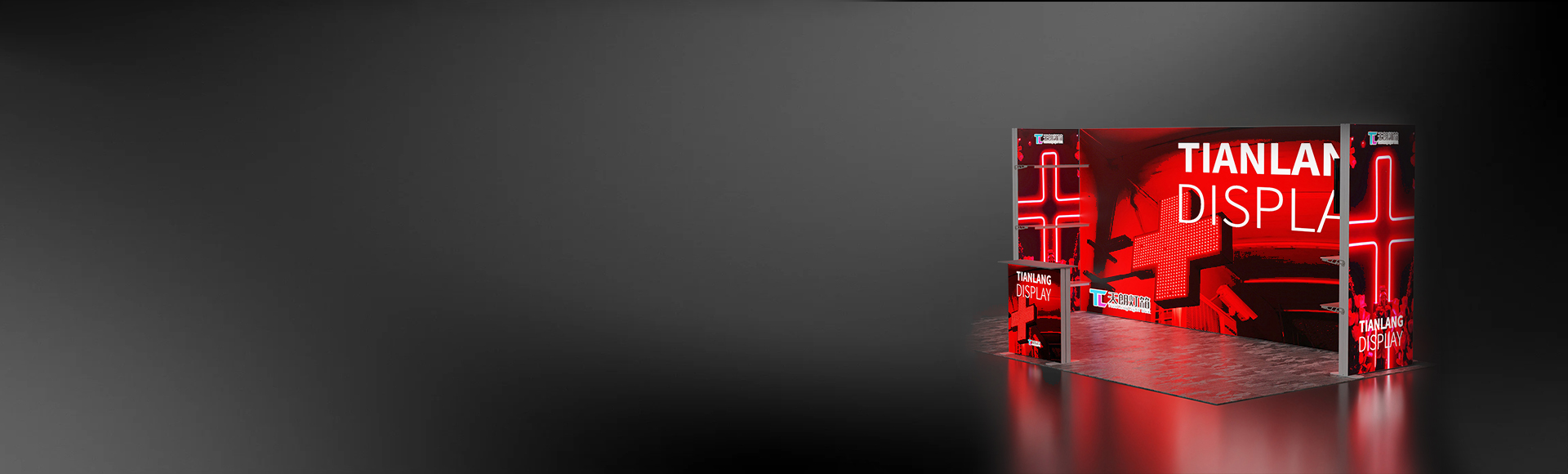
Conclusion: Shine Bright with Exhibition Light Boxes
Exhibition light boxes are more than just exhibition - hall fixtures; they are dynamic marketing assets that can significantly impact your brand's journey, especially when integrated with your independent station strategy.
From attracting immediate attention in the bustling exhibition halls to enhancing brand perception, the allure of exhibition light boxes is undeniable. The various types, such as LED, fabric, and ultra - thin light boxes, offer unique advantages, allowing you to choose the perfect fit for your brand's needs and exhibition space. Thoughtful design elements, proper installation, and regular maintenance ensure that your light boxes not only look great but also function optimally.
The success stories of different brands using exhibition light boxes serve as powerful examples of what can be achieved. Whether it's a tech startup gaining leads and funding, a fashion brand boosting sales and brand image, or an eco - friendly brand spreading its message, light boxes have proven to be effective in driving business growth.
When it comes to your independent station, exhibition light boxes can act as a bridge between the offline and online worlds. By promoting your independent station through light boxes at exhibitions and vice versa, you can create a seamless brand experience. Social media further amplifies this by allowing you to showcase your light boxes to a global audience and drive traffic back to your online platform.
In a highly competitive business landscape, where standing out is crucial, exhibition light boxes offer a cost - effective and impactful way to enhance your brand's visibility, communicate your message clearly, and engage with your target audience. So, don't miss out on the opportunity to shine bright with exhibition light boxes. Invest in well - designed, high - quality light boxes, and watch as they transform your exhibition presence and contribute to the growth and success of your brand on both offline and online fronts.