 EN
EN
 FR
FR DE
DE PT
PT ES
ES AR
AR BG
BG HR
HR CS
CS DA
DA FI
FI NL
NL EL
EL IT
IT JA
JA KO
KO NO
NO PL
PL RO
RO RU
RU SV
SV CA
CA TL
TL IW
IW LV
LV LT
LT SR
SR SK
SK SL
SL ET
ET MT
MT TH
TH FA
FA AF
AF MS
MS SW
SW GA
GA KA
KA
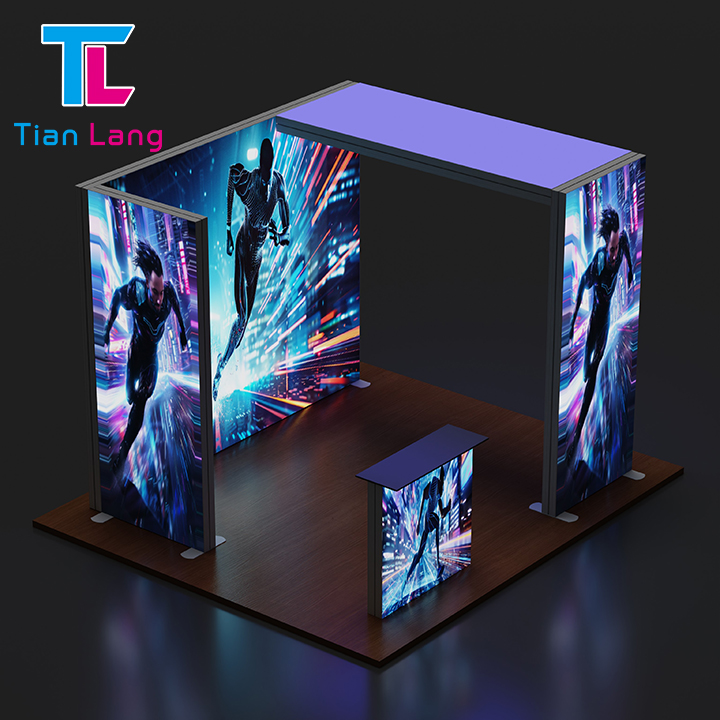
The success of your trade show booth design depends on far more than aesthetic appeal and product placement. When your trade show booth design fails to account for cultural differences, you risk alienating key prospects, damaging brand reputation, and wasting significant marketing investment. Global trade shows attract diverse audiences with distinct communication styles, color preferences, spatial comfort levels, and business etiquette expectations. Your trade show booth design must reflect these realities to maximize engagement and drive meaningful conversations with international visitors.
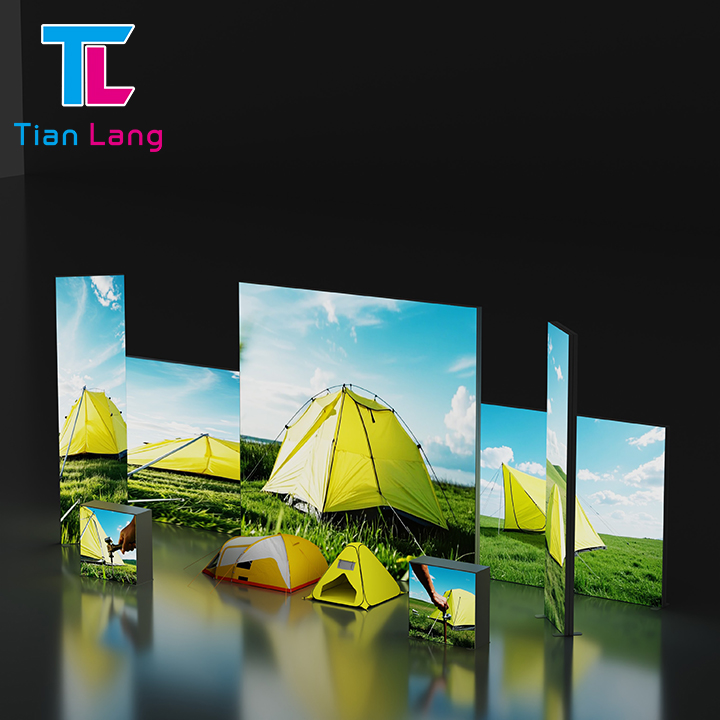
Effective trade show booth design transcends one-size-fits-all approaches. When you invest in a trade show booth design that incorporates cultural awareness, you create an inclusive environment where international attendees feel welcomed and respected. This strategic attention transforms your booth from a simple display space into a genuine business development tool that resonates with visitors from different backgrounds and markets.
Understanding Cultural Impact on Trade Show Booth Design
How Color and Visual Symbolism Influence Perception
Color choices in your trade show booth design carry profound cultural meanings that can either attract or repel visitors. In Western markets, blue often conveys trust and professionalism, while in some Asian cultures, white carries associations with mourning. Your trade show booth design must account for these symbolic differences to ensure your visual messaging lands positively across all attendee groups. Red symbolizes luck and prosperity in Chinese culture but can signal danger or urgency in Western contexts. When planning your trade show booth design, research color preferences for your target international markets and select palettes that communicate your intended message across cultural boundaries.
Space, Proximity, and Comfort Expectations
Personal space preferences vary significantly across cultures, and your trade show booth design must accommodate these differences. Northern European and North American visitors typically expect larger personal bubbles during conversations, while Latin American and Middle Eastern attendees often engage comfortably at closer distances. Your trade show booth design should include varied seating arrangements, conversation zones at different depths, and flexible layouts that allow visitors to interact at their preferred comfort levels. A poorly designed booth that forces cramped interactions can create negative impressions regardless of your product quality. Strategic trade show booth design considers these spatial dynamics to foster genuine conversations and comfortable engagement.
Language, Communication Style, and Booth Content Strategy
Beyond Translation: Culturally Appropriate Messaging
Translation alone does not make your trade show booth design effective for international audiences. Idiomatic expressions, humor, and business-focused language often lose meaning or create confusion when translated literally. Your trade show booth design should include messaging that reflects local communication preferences—direct and concise for German and Dutch audiences, relationship-focused for many Asian markets, and results-oriented for American attendees. When your trade show booth design incorporates culturally adapted messaging rather than simple translations, you demonstrate respect for visitors and increase the likelihood of productive conversations. Professional localization goes beyond words to encompass tone, formality levels, and cultural references that resonate with specific international markets.
Visual Communication and Information Hierarchy
How information flows in your trade show booth design reflects cultural communication patterns. Left-to-right reading cultures prefer information organized sequentially, while some Asian markets are comfortable with non-linear information presentation. Your trade show booth design should organize product information, specifications, and contact details in ways that match attendee expectations for processing visual information. Interactive displays, digital screens, and printed materials in your trade show booth design should follow cultural norms for information density and presentation speed. When your trade show booth design respects these cognitive preferences, visitors process your message more effectively and retain key information longer after the event.
Business Etiquette, Relationship Building, and Staff Training for Global Booth Design
Greeting Protocols and Formal Interaction Styles
Your trade show booth design must support culturally appropriate greeting and interaction protocols. Handshake preferences, eye contact expectations, and hierarchical acknowledgment vary dramatically across cultures. In some Asian markets, bows or slight nods are preferred; in Middle Eastern contexts, same-gender handshakes are standard; in Scandinavian regions, casual greetings are the norm. Your trade show booth design should feature staff trained in these protocols and positioned to initiate conversations respectfully. The physical layout of your trade show booth design—where the receptionist stands, how seating is arranged, which direction visitors enter—communicates respect or indifference toward visitors' cultural backgrounds. Thoughtful trade show booth design includes staff positioning that honors these interaction expectations and creates welcoming first impressions.
Relationship-Building vs. Immediate Transactions
Some cultures prioritize immediate business transactions, while others require relationship establishment before discussing deals. Your trade show booth design must accommodate both approaches without forcing visitors into misaligned interaction styles. For relationship-focused markets, your trade show booth design should include comfortable seating areas for conversations, hospitality offerings like tea or coffee, and time for personal connection before product discussion. For transaction-focused attendees, your trade show booth design should feature clear pricing, product specifications, and streamlined information pathways. The flexibility built into your trade show booth design determines whether international visitors feel your company understands their business culture. trade show booth design solutions that support multiple engagement styles enable genuine relationship development across markets.
Practical Implementation: Making Your Trade Show Booth Design Culturally Intelligent
Research, Planning, and Pre-Event Preparation
Before committing resources to your trade show booth design, invest time in researching attendee demographics and cultural backgrounds. Identify which regions, countries, and cultural groups will be present at the event. Study their communication preferences, business etiquette, color symbolism, and interaction norms. Your trade show booth design should reflect these insights through intentional color selection, messaging adaptation, seating variety, and staff preparation. Create detailed cultural briefing documents for your booth team so that every staff member understands how to interact respectfully with visitors from different backgrounds. This preparation transforms your trade show booth design from a generic display into a culturally responsive business development platform.
Testing and Feedback Loops
After each trade show, gather feedback from international attendees about how your trade show booth design worked for them. Ask directly about comfort, messaging clarity, and interaction quality. Use this feedback to refine your trade show booth design for future events. Track which cultural groups engaged most actively and whether messaging resonated across different markets. If certain groups seemed uncomfortable or disengaged, investigate whether your trade show booth design created barriers related to spacing, language, or visual symbolism. Continuous improvement based on real-world feedback ensures your trade show booth design becomes increasingly effective at attracting and engaging diverse international audiences.
FAQ
What are the most critical cultural factors to consider in trade show booth design?
The most critical factors include color symbolism, personal space preferences, communication directness, greeting protocols, and relationship-building time. Your trade show booth design must address these fundamental differences to avoid offending visitors or creating uncomfortable interactions. Language adaptation, information presentation style, and hierarchical acknowledgment also significantly impact how attendees perceive and engage with your booth.
How can a trade show booth design accommodate multiple cultural styles simultaneously?
Effective trade show booth design uses flexible layouts with varied seating distances, culturally neutral color palettes, clear visual hierarchy, and well-trained staff. Include comfortable conversation areas for relationship-focused cultures alongside efficient information stations for transaction-focused visitors. Your trade show booth design should offer hospitality options and maintain staff positioning that honors different interaction expectations without forcing any single approach.
Why is trade show booth design training for staff as important as physical design?
Staff behavior directly impacts whether your trade show booth design achieves its cultural objectives. Trained staff understand greeting protocols, can adapt conversation pace and formality, recognize hierarchical preferences, and respond appropriately to different interaction styles. Your trade show booth design infrastructure means nothing if staff members inadvertently offend visitors through cultural missteps. Comprehensive training transforms your booth team into cultural ambassadors who make international attendees feel genuinely welcome.