 EN
EN
 FR
FR DE
DE PT
PT ES
ES AR
AR BG
BG HR
HR CS
CS DA
DA FI
FI NL
NL EL
EL IT
IT JA
JA KO
KO NO
NO PL
PL RO
RO RU
RU SV
SV CA
CA TL
TL IW
IW LV
LV LT
LT SR
SR SK
SK SL
SL ET
ET MT
MT TH
TH FA
FA AF
AF MS
MS SW
SW GA
GA KA
KA
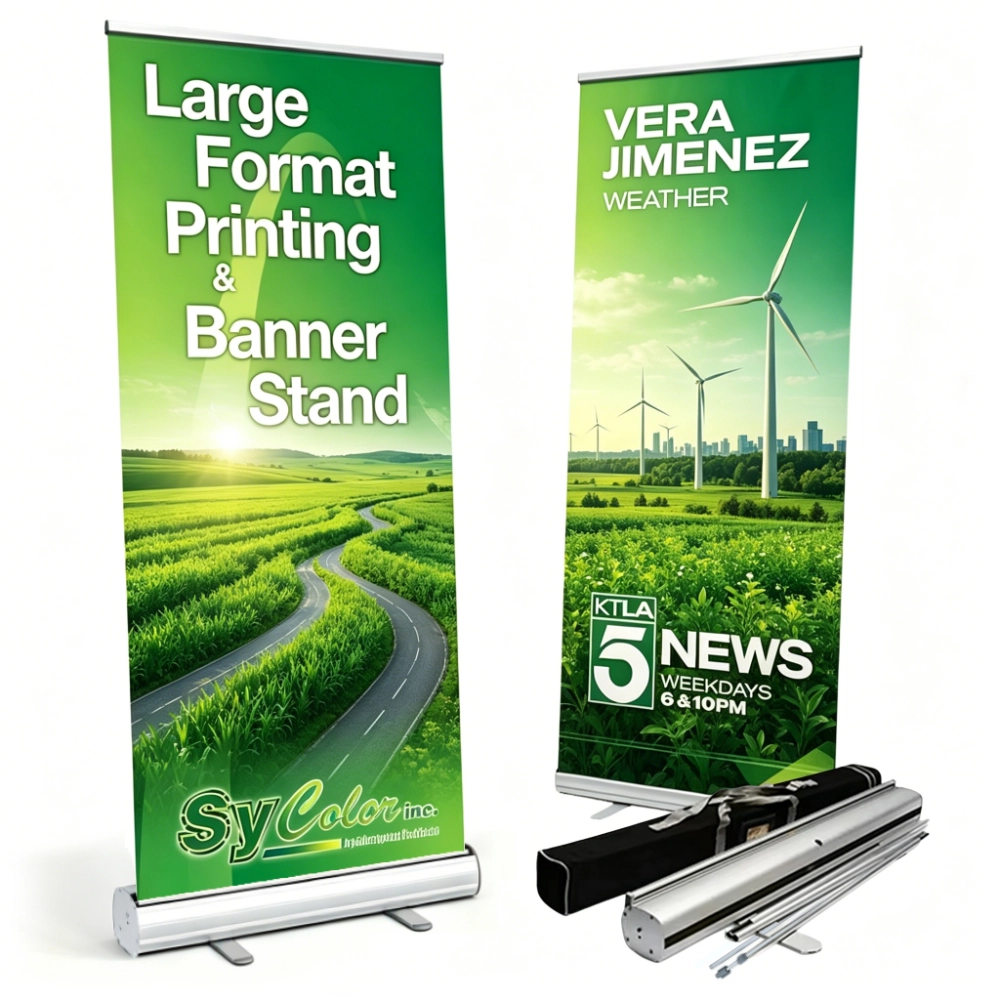
When purchasing banner stands for trade shows, retail environments, or promotional events, understanding how to evaluate banner stand hardware durability is essential for making a sound investment. Banner stand hardware durability directly impacts how long your display equipment will perform under regular use, transportation, and storage cycles. Buyers who fail to assess this critical factor often face premature equipment failure, increased replacement costs, and compromised brand presentation at crucial moments.
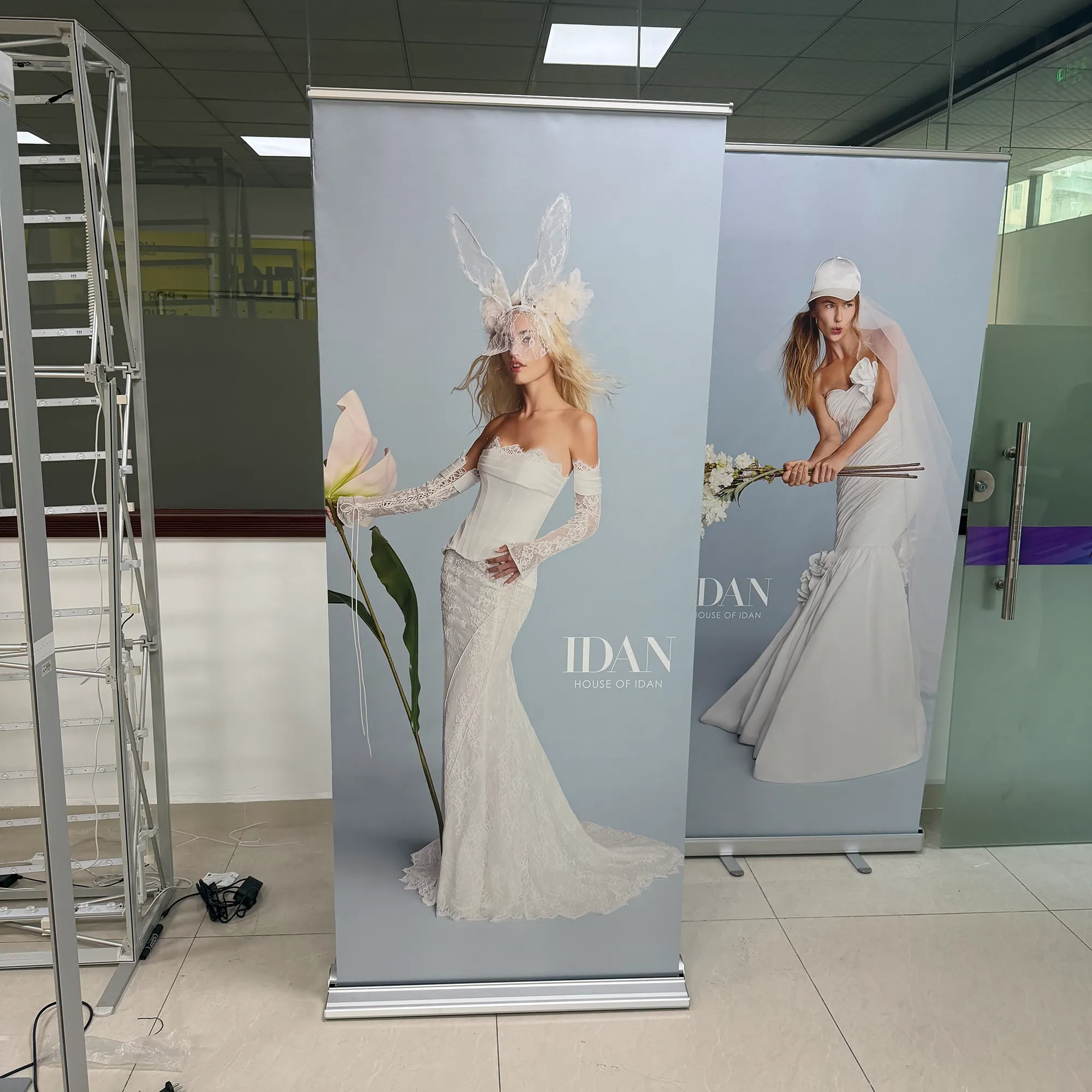
Evaluating banner stand hardware durability requires a structured approach that examines material composition, construction methods, joint integrity, and real-world performance data. This assessment helps buyers distinguish between economical options and robust solutions that deliver value over time. Understanding these evaluation criteria empowers decision-makers to select banner stands that withstand frequent setup and breakdown cycles while maintaining structural stability and visual appeal.
Material Composition and Construction Standards
Analyzing Metal and Plastic Components
The foundation of banner stand hardware durability begins with material selection. Premium banner stand hardware typically incorporates aluminum alloys rather than basic steel or cheap plastic compounds. Aluminum offers superior strength-to-weight ratio, corrosion resistance, and longevity compared to alternatives. When evaluating banner stand hardware durability, inspect whether the base and support poles use aircraft-grade aluminum or reinforced polymers that resist cracking and warping over extended use. Quality manufacturers specify material grades in their technical documentation, allowing buyers to verify material standards directly.
The plastic components in banner stand hardware durability assessments warrant equal attention to metal parts. High-performance polymers engineered for structural applications resist UV degradation, temperature fluctuations, and moisture absorption far better than standard plastics. Buyers should inquire about the specific polymer types used in feet, connectors, and adjustment mechanisms. Banner stand hardware durability improves significantly when manufacturers use injection-molded components with reinforcing fiber strands rather than simple thermoplastic materials that become brittle over time.
Welding and Fastening Techniques
Examining how components connect reveals critical insights into banner stand hardware durability. Precision welded joints exhibit superior strength compared to screwed or riveted connections that may loosen through vibration and repeated use. When assessing banner stand hardware durability, request information about welding specifications, joint inspection procedures, and any quality certifications validating construction standards. Professional manufacturers often highlight their welding processes because high-quality welds directly correlate with banner stand hardware durability and long-term reliability.
Fasteners used throughout the assembly also influence overall banner stand hardware durability. Stainless steel bolts, screws, and rivets resist corrosion and maintain clamping force far better than standard iron fasteners that rust and weaken. Buyers evaluating banner stand hardware durability should verify that critical connection points use corrosion-resistant fasteners, particularly for displays used in humid environments or frequent outdoor settings. Some manufacturers apply threadlocker compounds to prevent fastener loosening, demonstrating commitment to sustaining banner stand hardware durability throughout the product lifecycle.
Stress Testing and Performance Metrics
Load Capacity and Structural Stability
Determining actual banner stand hardware durability requires understanding load capacity specifications and how manufacturers validate these claims. Professional-grade banner stands undergo stress testing to establish maximum banner weight limits while maintaining stability under typical wind and movement conditions. When evaluating banner stand hardware durability, request independent test results showing how the hardware performs under rated loads over repeated cycles. Quality manufacturers provide detailed specifications indicating base weight, support pole strength, and connection point failure thresholds that establish realistic boundaries for banner stand hardware durability.
Structural stability testing evaluates banner stand hardware durability by simulating actual usage scenarios including setup and takedown cycles, transportation impacts, and environmental stresses. Rigorous testing protocols examine whether joints remain tight, materials maintain dimensional consistency, and overall structure preserves vertical alignment after extended use. Buyers concerned with banner stand hardware durability should understand that tested and documented specifications provide far greater confidence than marketing claims alone. Requesting third-party certification or laboratory test reports demonstrates a manufacturer's commitment to proving banner stand hardware durability through objective measurement.
Mechanical Wear and Component Longevity
Banner stand hardware durability ultimately depends on how well individual components withstand mechanical wear from countless assembly and disassembly cycles. Springs, locks, and adjustment mechanisms experience the highest stress during typical use patterns. When evaluating banner stand hardware durability, examine the design of these high-wear areas and inquire about expected cycle life for critical components. Premium designs incorporate heavy-duty springs with precise tensioning, smooth-operating locks that engage reliably, and adjustment mechanisms that resist jamming and wear deformation throughout banner stand hardware durability lifecycle.
Replacement part availability and serviceability contribute significantly to effective banner stand hardware durability assessment. Manufacturers demonstrating strong commitment to banner stand hardware durability maintain readily available replacement components for feet, locks, springs, and connector pieces. This serviceability ensures that minor wear or damage does not necessitate complete equipment replacement, extending effective banner stand hardware durability. Buyers should verify that spare parts programs exist before purchasing, ensuring that aging equipment can be maintained affordably when evaluating long-term banner stand hardware durability investments.
Environmental Resistance and Maintenance Requirements
Climate and Environmental Durability Factors
Banner stand hardware durability extends beyond normal indoor use when displays must function in varying environmental conditions. Temperature fluctuations cause material expansion and contraction that stresses joints and connections, potentially compromising banner stand hardware durability if materials possess poor thermal stability. When assessing banner stand hardware durability, consider whether hardware components are rated for the temperature ranges your applications demand. Moisture resistance becomes critical for banner stand hardware durability in humid environments or outdoor deployments where metal corrosion and plastic degradation accelerate material failure.
UV exposure and sunlight damage represent overlooked factors in banner stand hardware durability assessments. Materials exposed to direct sunlight degrade rapidly if not treated with protective coatings or formulated with UV-resistant additives. Evaluating banner stand hardware durability for outdoor or daylight-exposed settings requires verification that plastic components include UV stabilizers and metal surfaces feature protective finish coatings. Buyers planning banner stand hardware durability in challenging environments should prioritize equipment specifically engineered for those conditions rather than assuming standard-grade materials will perform adequately.
Cleaning, Storage, and Maintenance Protocols
Proper maintenance directly influences realized banner stand hardware durability over the ownership period. Manufacturers committed to long-term banner stand hardware durability provide detailed care and storage guidelines that protect materials and preserve component function. When evaluating banner stand hardware durability, request maintenance recommendations covering cleaning procedures, storage conditions, and preventive servicing intervals. Understanding these requirements before purchase helps establish realistic expectations about the effort required to maintain banner stand hardware durability throughout extended use.
Storage practices critically affect banner stand hardware durability between uses. Equipment stored in temperature-controlled, dry environments experiences significantly less material degradation than displays subjected to damp basements or unheated warehouses. Quality storage solutions prevent mechanical stress from equipment shifting or stacking pressure, preserving banner stand hardware durability. Manufacturers offering storage recommendations and describing ideal environmental conditions demonstrate sophisticated understanding of how external factors influence banner stand hardware durability. This attention to post-purchase considerations often distinguishes suppliers genuinely invested in customer success from those merely selling equipment.
FAQ
What specific material certifications indicate strong banner stand hardware durability?
Look for ISO 9001 quality management certification, aluminum alloy specifications such as 6063-T5, and evidence of third-party testing by recognized standards bodies. Materials certified for aviation or marine applications typically exceed standards for general banner stand hardware durability. Manufacturers should provide material certificates of conformance and test reports validating that components meet stated specifications. These certifications provide objective proof that banner stand hardware durability has been engineered and validated through rigorous processes rather than assumed through general marketing claims.
How many setup and breakdown cycles should quality banner stand hardware durability support?
Professional-grade equipment designed for frequent exhibition use should easily accommodate 100 to 500 setup and breakdown cycles minimum, with premium systems supporting significantly higher cycle counts. Banner stand hardware durability specifications should explicitly state tested cycle limits validated through accelerated life testing. Buyers planning 50 or more annual uses should prioritize equipment tested to at least 200 cycles minimum. Requesting specific cycle test data rather than accepting vague durability claims ensures that your banner stand hardware durability investment aligns with actual anticipated usage frequency.
Can regular maintenance improve banner stand hardware durability beyond manufacturer specifications?
Yes, diligent maintenance practices can extend realized banner stand hardware durability significantly beyond baseline expectations. Regular inspection for loose fasteners, lubrication of moving parts, and prompt replacement of worn components prevent minor issues from escalating into major failures. Protecting equipment from environmental extremes through appropriate storage and cleaning substantially improves long-term banner stand hardware durability outcomes. While maintenance cannot overcome fundamental design or material deficiencies, proper care of well-engineered banner stand hardware durability platforms consistently delivers extended service life and reliable performance throughout extended ownership periods.