 EN
 FR
 DE
 PT
 ES
 AR
 RU

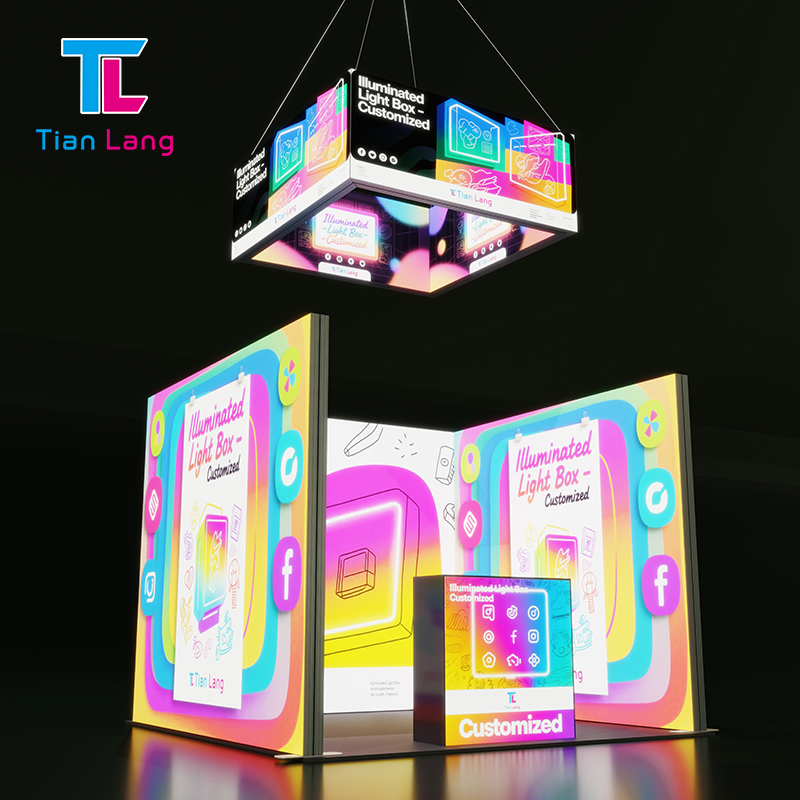
Planning a successful presence at a trade show requires understanding how long custom trade show exhibits take to develop from initial concept to final installation. The production timeline for custom trade show exhibits is a critical factor that directly influences your marketing strategy, budget allocation, and competitive positioning at industry events. Most businesses underestimate the lead time required, which can result in rushed timelines, compromised design quality, or missed exhibit deadlines that damage brand reputation and reduce trade show ROI.
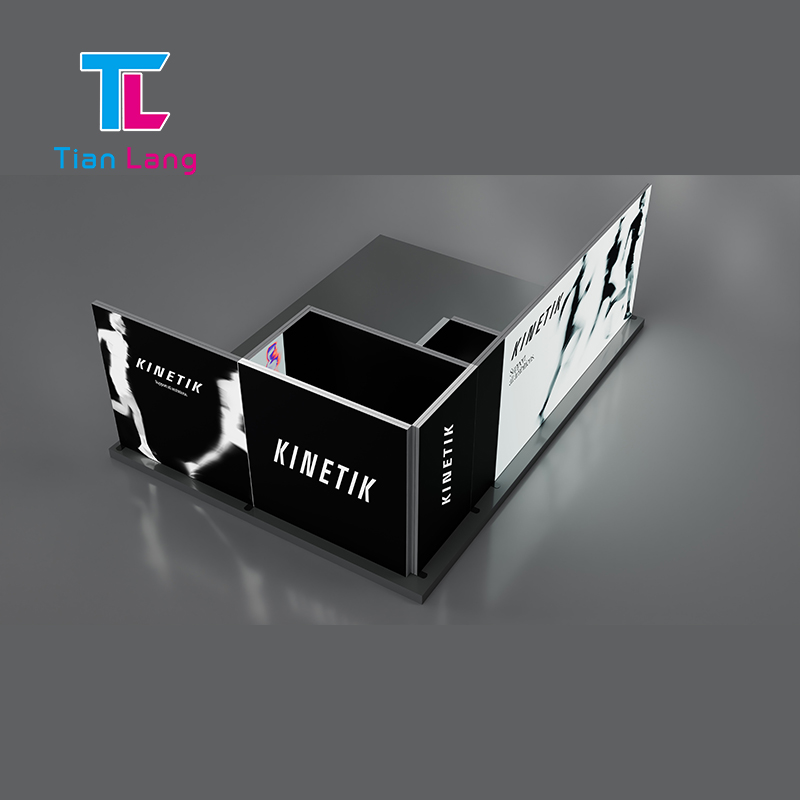
Understanding the complete production cycle for custom trade show exhibits enables you to coordinate internal stakeholders, manage vendor relationships, and ensure all components arrive on schedule. This timeline overview covers each phase of production, from design approval through on-site setup, helping you set realistic expectations and avoid costly delays that affect your trade show success.
Initial Design and Concept Phase
Discovery and Requirements Gathering
The first stage of custom trade show exhibits production begins with a detailed discovery process where your design team meets with your marketing, sales, and executive stakeholders to define exhibit goals, brand messaging, and technical specifications. This phase typically takes one to two weeks and involves collecting feedback about your target audience, desired booth size, interactive elements, and technology integration requirements. During this period, designers will conduct competitive research, review previous exhibit performance data, and establish preliminary budgets for custom trade show exhibits that align with your overall marketing investment.
Clarity during the discovery phase directly reduces revision cycles later in production. Defining decision-makers, approval workflows, and communication channels at this stage accelerates the entire custom trade show exhibits development process and prevents misaligned expectations between internal teams and external vendors.
Concept Development and Design Options
Once requirements are documented, the design team creates two to four preliminary concept renderings for custom trade show exhibits that visualize different layout approaches, material selections, and spatial arrangements. This concept phase typically requires two to three weeks and includes initial sketches, mood boards, and 3D mockups that demonstrate how your custom trade show exhibits will attract visitors and communicate your brand narrative. Designers will prepare cost estimates for each concept option, highlighting the production complexity and material choices that influence overall timeline and budget for your custom trade show exhibits.
Stakeholder feedback during concept review determines which direction moves forward. This collaborative review process typically takes one week and often requires one revision round before concepts are approved and detailed design specifications for custom trade show exhibits begin.
Detailed Design and Approval Process
Technical Specifications and Engineering
After concept approval, your production team develops comprehensive technical drawings for custom trade show exhibits that include structural engineering, electrical schematics, material specifications, and component sourcing details. This detailed design phase typically spans three to four weeks and involves coordination between architects, engineers, material suppliers, and fabrication specialists to ensure all elements of your custom trade show exhibits meet safety standards, shipping restrictions, and installation requirements. Engineers will specify load-bearing capacities, electrical requirements, lighting systems, and modular connection points that ensure your custom trade show exhibits functions reliably and can be transported safely.
During this phase, designers prepare comprehensive specification documents that detail every component, finish, and installation procedure for custom trade show exhibits. These technical drawings serve as the manufacturing blueprint and become critical reference documents if modifications or repairs are needed after your custom trade show exhibits reaches the trade show venue.
Client Approval and Design Lock
Once detailed designs are complete, your custom trade show exhibits undergo formal client review where marketing leaders, brand managers, and decision-makers verify that the design aligns with brand guidelines, messaging objectives, and technical requirements. This approval phase typically requires one to two weeks and often includes revision requests that adjust messaging hierarchy, color selections, or spatial layouts for custom trade show exhibits. After revisions are incorporated, design approval is formally documented, and production specifications for custom trade show exhibits are locked to prevent scope creep that would delay manufacturing.
Design lock is a critical milestone in the custom trade show exhibits production timeline. Once approved, the technical specifications for your custom trade show exhibits move to manufacturing, and major design changes become prohibitively expensive and time-consuming.
Manufacturing and Fabrication Timeline
Materials Procurement and Lead Time
Material sourcing is a parallel process that begins during detailed design and directly impacts the overall production timeline for custom trade show exhibits. Depending on material selections, procurement lead times vary significantly: standard aluminum components typically require two to four weeks, custom fabric printing requires two to three weeks, specialized lighting systems require three to five weeks, and imported materials may require six to eight weeks from order to delivery. Your custom trade show exhibits manufacturer will coordinate with multiple suppliers to ensure all components arrive sequentially in the production schedule, preventing bottlenecks that would delay fabrication.
Selecting materials with reliable supply chains accelerates production for custom trade show exhibits. Designers often recommend material alternatives with shorter lead times when your event date approaches, balancing design preferences with realistic manufacturing schedules for custom trade show exhibits.
Component Fabrication and Assembly
Once materials arrive, fabrication specialists begin manufacturing individual components for custom trade show exhibits, including structural frames, panel assemblies, electronic systems, and decorative elements. The fabrication phase for custom trade show exhibits typically requires four to six weeks depending on complexity, material customization, and production queue capacity at your manufacturing facility. During this phase, quality control inspections verify dimensional accuracy, material finish quality, and component functionality for all elements of your custom trade show exhibits.
After individual components are fabricated, assembly technicians integrate all elements into complete subsystems for custom trade show exhibits. Mock-ups are typically constructed to verify fit, alignment, and functionality before final shipment of your custom trade show exhibits. Testing procedures validate electrical systems, interactive technology, lighting performance, and structural integrity to ensure your custom trade show exhibits performs flawlessly at the venue.
Quality Control and Final Inspection
Before shipment, your custom trade show exhibits undergo rigorous quality inspections that verify all components, finishes, and systems meet specifications. This quality assurance phase typically requires one to two weeks and includes dimensional verification, aesthetic inspection, technology testing, and documentation of any minor corrections. Engineers create detailed photographic records and prepare setup guides that accompany your custom trade show exhibits to the event venue, ensuring installation teams have comprehensive reference materials.
Shipping, Installation, and Final Timeline
Crating, Logistics, and Delivery
Completed custom trade show exhibits are carefully crated and prepared for shipment using protective packaging that prevents damage during transportation. Shipping timelines for custom trade show exhibits depend on distance and delivery method: local ground delivery typically requires one week, regional shipping requires one to two weeks, and international logistics may require two to four weeks. Your custom trade show exhibits will be tracked throughout shipping, with delivery coordinated to arrive at the venue three to five days before your event setup date, allowing time for damage inspection and contingency planning.
Coordinating shipping dates ensures your custom trade show exhibits arrives with sufficient time for inspection and setup adjustments before the event begins. Freight companies specializing in trade show logistics understand venue access restrictions and can schedule deliveries during designated load-in periods for your custom trade show exhibits.
On-Site Setup and Installation
Once your custom trade show exhibits arrives at the venue, professional installation teams assemble all components, verify alignment, test all systems, and make final adjustments. The on-site installation phase for custom trade show exhibits typically requires one to two days depending on complexity and booth size. Installation crews will follow detailed setup guides created during production, connecting all modular elements of your custom trade show exhibits, validating electrical systems, and positioning all interactive technology and display materials before the exhibit opens to attendees.
FAQ
What is the typical total production timeline for custom trade show exhibits from start to finish?
The complete production timeline for custom trade show exhibits typically ranges from twelve to eighteen weeks from initial concept to on-site installation. This includes two to three weeks for discovery and concept development, three to four weeks for detailed design and approvals, four to six weeks for manufacturing and component fabrication, one to two weeks for quality control, one to four weeks for shipping depending on distance, and one to two days for on-site setup of your custom trade show exhibits. Building in buffer time for unexpected delays is essential when planning your custom trade show exhibits timeline.
Can custom trade show exhibits be produced more quickly if the event date is approaching?
Accelerated timelines for custom trade show exhibits are possible but require expediting fees, priority manufacturing scheduling, and often material compromises that increase costs. Express production schedules for custom trade show exhibits can sometimes compress manufacturing to eight to ten weeks total, but this requires streamlined approval processes, minimal revision rounds, and premium pricing for expedited shipping. Discussing fast-track options early allows your team to evaluate whether rushing production for custom trade show exhibits justifies the additional investment and potential quality trade-offs.
How can planning ahead reduce the production timeline for custom trade show exhibits?
Planning ahead significantly reduces pressure on custom trade show exhibits production timelines by allowing more realistic material sourcing, sequential component manufacturing, and thorough quality control inspections. Starting the custom trade show exhibits design process four to six months before your event date provides flexibility for design refinements, supplier coordination, and contingency planning without expediting fees. Early planning also enables designers to select materials with reliable supply chains, recommend proven design approaches that manufacture efficiently, and coordinate internal approvals when schedules are relaxed for custom trade show exhibits.