 EN
 FR
 DE
 PT
 ES
 AR
 RU
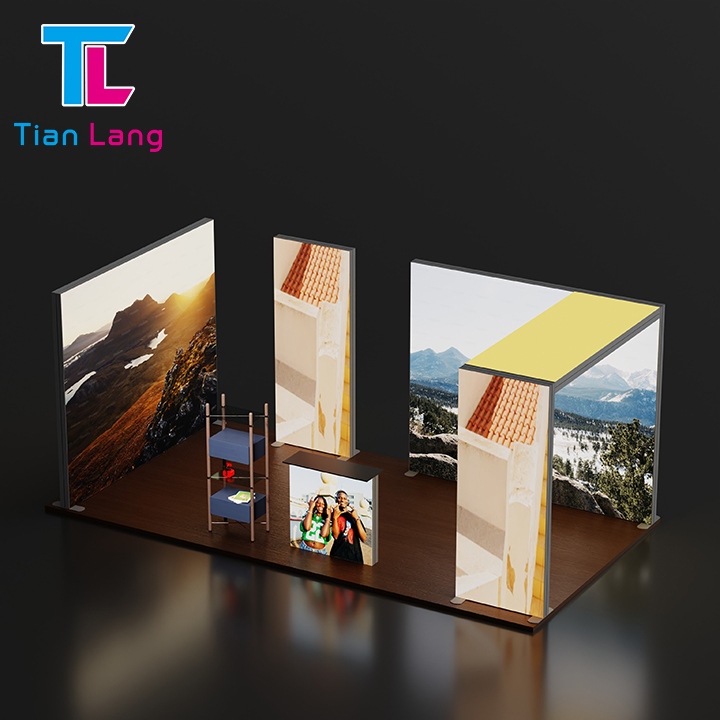
A well-executed tradeshow booth investment can deliver exceptional returns when strategic factors align. Organizations planning a custom-built tradeshow booth must understand that ROI depends on far more than initial construction costs. The true measure of tradeshow booth success emerges from lead generation quality, brand visibility, attendee engagement, and long-term customer acquisition impact. This guide examines the critical factors that determine whether your tradeshow booth becomes a revenue generator or simply an expense.
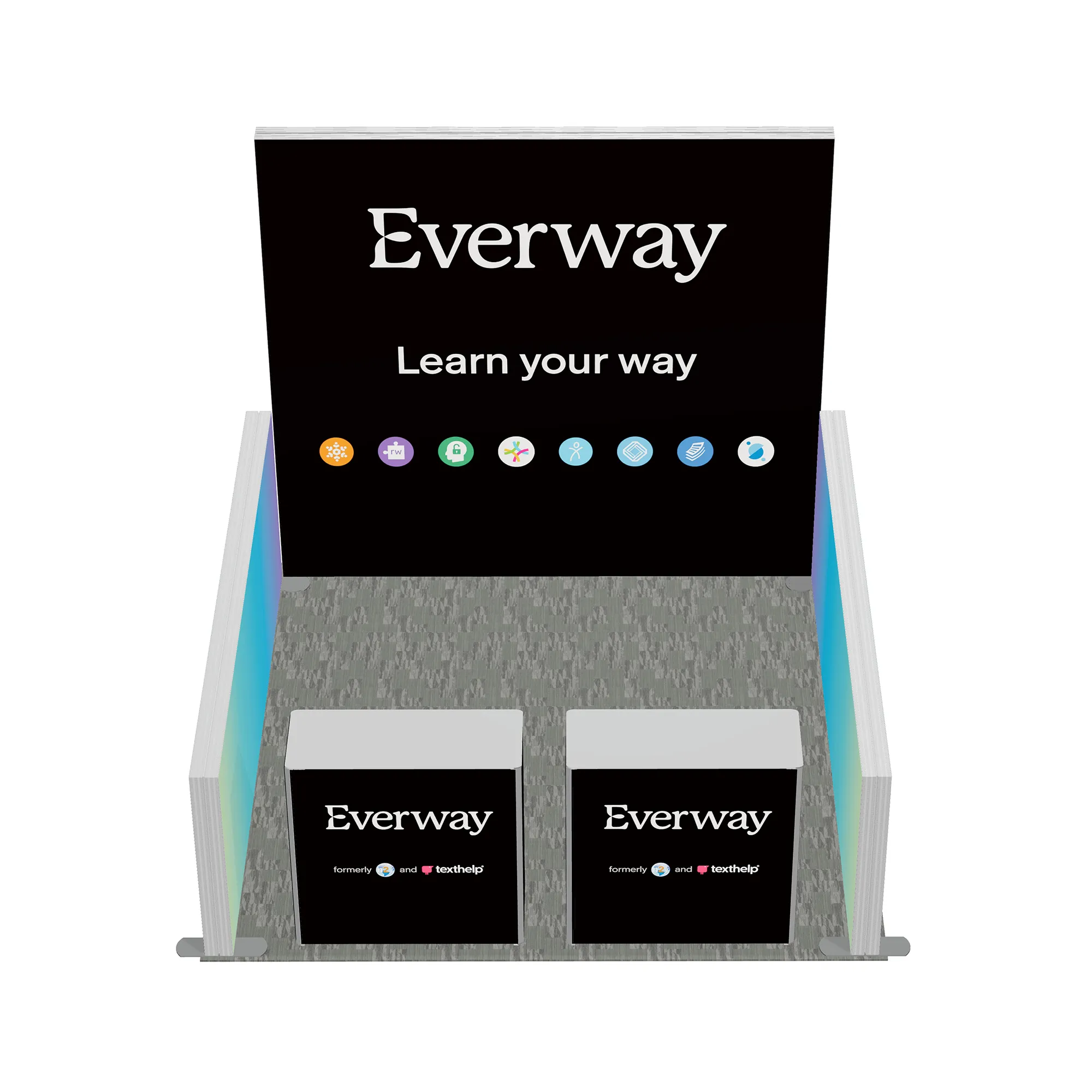
Every industry event presents an opportunity to connect with concentrated clusters of qualified prospects. A custom-built tradeshow booth transforms that opportunity into measurable business outcomes when designed with clear ROI objectives. Understanding how booth design, staffing strategy, lead capture systems, and follow-up processes interact creates the foundation for calculating true investment return. This article explores the essential factors that drive tradeshow booth performance and helps your organization benchmark expectations against industry standards.
Design and Visual Impact as ROI Drivers
First Impressions and Attendee Attraction
The visual design of your custom-built tradeshow booth determines initial engagement rates. Industry research shows that booth design quality directly correlates with foot traffic and conversation initiation. A tradeshow booth featuring clear brand messaging, professional aesthetics, and interactive elements attracts 40 to 60 percent more visitors than standard configurations. The investment in premium materials, lighting, and ergonomic layouts generates immediate ROI through increased visibility within the trade show floor environment.
Layout and Traffic Flow Optimization
The physical configuration of your tradeshow booth influences how attendees move through and engage with your display. Open-front designs encourage walk-through traffic while private meeting areas capture serious prospects. A well-planned tradeshow booth layout allocates specific zones for product demonstration, consultation, and lead capture. These functional zones enable staff to simultaneously handle multiple conversations and convert casual browsers into qualified leads. ROI calculations must account for the productivity multiplier that comes from intelligent tradeshow booth architecture and spatial planning.
Lead Generation and Qualification Systems
Technology Integration and Data Capture
Modern tradeshow booth operations depend on integrated lead capture technology that automates data collection and qualification. Digital systems embedded in your tradeshow booth eliminate manual forms and paper trails while instantly syncing prospect information to sales pipelines. QR codes, badge scanning, and CRM integration allow your team to focus on conversations rather than clerical tasks. A tradeshow booth equipped with these technologies can process 3 to 5 times more prospects per staff member compared to paper-based systems. This efficiency directly translates into lower cost-per-lead and higher-quality prospect data for post-event follow-up.
Lead Scoring and Buying Signal Recognition
Not all prospects generated at your tradeshow booth represent equal opportunity. Effective lead qualification happens in real time when trained staff recognize buying signals during booth conversations. A tradeshow booth strategy that emphasizes discovery questioning and prospect profiling separates high-intent opportunities from exploratory visitors. ROI improves dramatically when your team identifies which booth visitors have budget authority, defined timelines, and specific pain points. This qualification layer reduces post-event sales wasted on unqualified contacts and accelerates deal closure rates.
Booth Staffing, Training, and Engagement Quality
Staff Preparation and Conversation Skills
The personnel working your tradeshow booth directly influence ROI through their ability to engage prospects and communicate value. Staff trained specifically for trade show environments understand how to qualify quickly, pivot conversations toward customer needs, and move toward next steps. A tradeshow booth staffed with knowledgeable representatives generates significantly higher-quality leads than one with untrained or disengaged personnel. Investment in pre-event training ensures that every interaction at your tradeshow booth positions your company as a credible solution provider rather than a generic vendor.
Attendance Levels and Coverage Planning
Understaffing your tradeshow booth creates bottlenecks where prospects leave without engaging. Overstaffing increases costs without proportional lead generation benefits. The optimal staffing level for your tradeshow booth depends on event size, expected traffic volume, and the complexity of your sales process. Industry analysis suggests that one trained representative can handle between 15 and 25 quality conversations per event day, depending on conversation depth. ROI calculations must account for staff time, travel, and accommodation costs against the leads generated and pipeline created by tradeshow booth participation.
Post-Event Follow-Up and Sales Conversion
Lead Nurturing Systems and Timeline
The tradeshow booth generates leads, but conversion happens after the event through systematic follow-up. Organizations that contact prospects within 24 hours of booth interaction see conversion rates 2 to 3 times higher than delayed follow-up. A structured tradeshow booth ROI model includes defined email sequences, phone call protocols, and sales engagement workflows. This post-event system transforms booth-generated contacts into marketing-qualified leads that sales teams can efficiently pursue.
Attribution and Revenue Tracking
Measuring true tradeshow booth ROI requires linking conference leads to eventual revenue outcomes. Many organizations fail to track whether a tradeshow booth contact actually converted to a customer or influenced a deal. Closed-loop analytics that tie booth attendees to customer records reveal the actual business impact of your trade show investment. A tradeshow booth that generates 100 leads but converts 15 to customers proves more valuable than one generating 300 leads with 5 conversions. This attribution clarity allows accurate ROI calculation and informs future event participation decisions.
FAQ
How do you measure the direct ROI from a tradeshow booth?
Direct tradeshow booth ROI equals revenue from customers who first engaged at the booth minus total event costs, including booth construction, staffing, travel, and materials. Indirect ROI includes pipeline value from opportunities created at the booth that may close after the event. Organizations should track all booth-generated leads through their complete sales cycle using CRM systems that tag source attribution. A tradeshow booth that costs $25,000 and generates $100,000 in first-year revenue demonstrates a 300 percent ROI before accounting for multi-year customer relationships.
What booth size and budget typically delivers the best ROI?
The optimal tradeshow booth size depends on your target audience concentration and sales complexity rather than absolute square footage. A focused 10x10 tradeshow booth for a B2B technology conference may deliver better ROI than a sprawling 20x20 booth in a misaligned venue. Budget allocation should prioritize lead capture systems, trained staff, and follow-up infrastructure rather than pure visual spectacle. Many organizations find that a custom-built tradeshow booth with moderate size but excellent design, prominent placement, and strong staffing outperforms larger but poorly executed installations in ROI terms.
How should companies justify tradeshow booth investment to leadership?
Leadership justifies tradeshow booth investment by presenting historical data from similar events, benchmark conversion rates from industry sources, and a detailed financial projection. A realistic tradeshow booth business case estimates lead volume based on event attendance, applies realistic conversion percentages to your industry, and calculates customer lifetime value. Compare the total investment against conservative revenue projections and break-even timeframes. Many organizations discover that a single significant deal resulting from a tradeshow booth connection exceeds the entire event investment, making ROI discussions much more straightforward when supported by actual closed-deal attribution.