3D Exhibition Stall Design | Virtual Booth Planning

+86 13828765320
All Categories

3d exhibition stall design

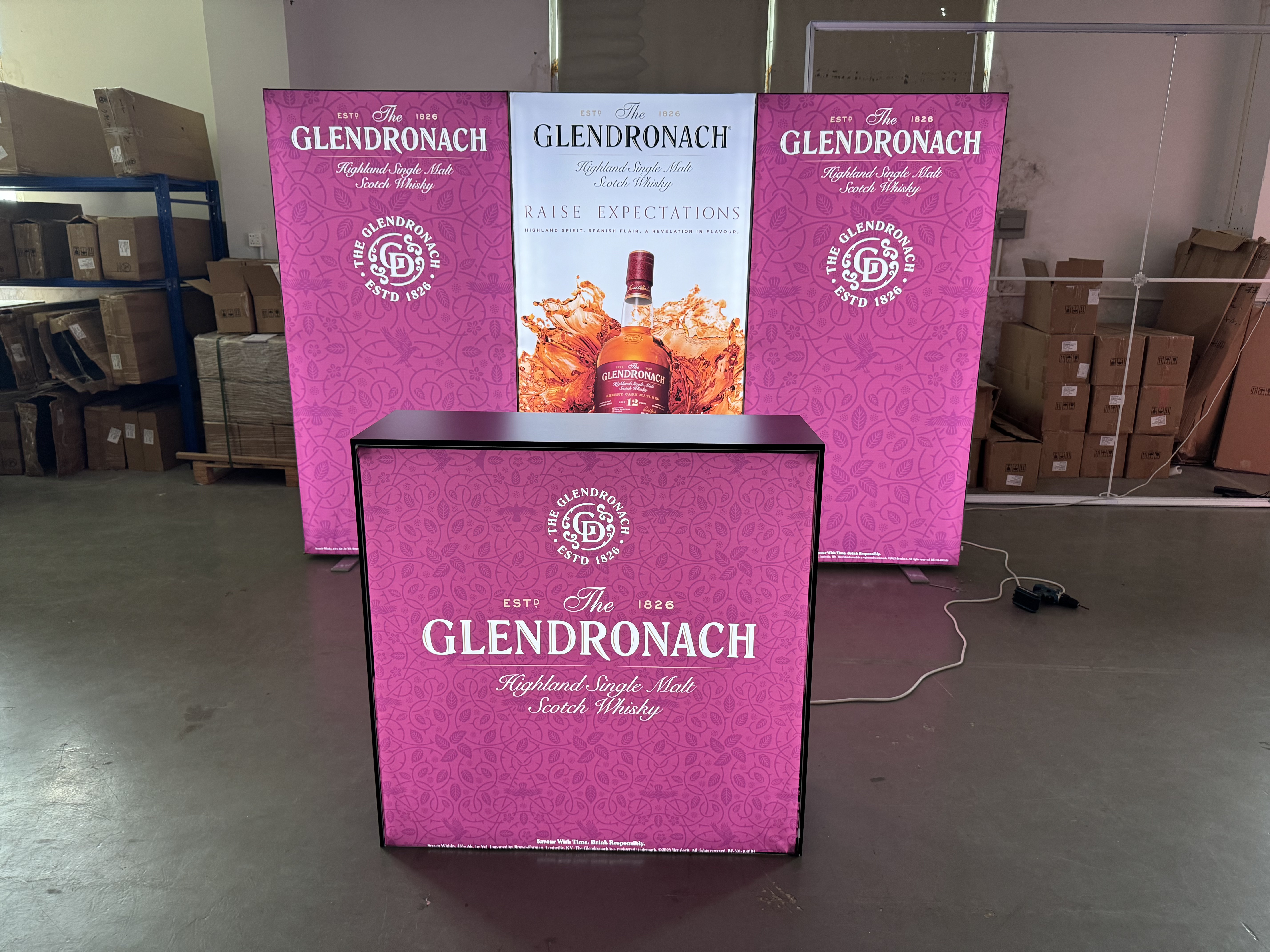
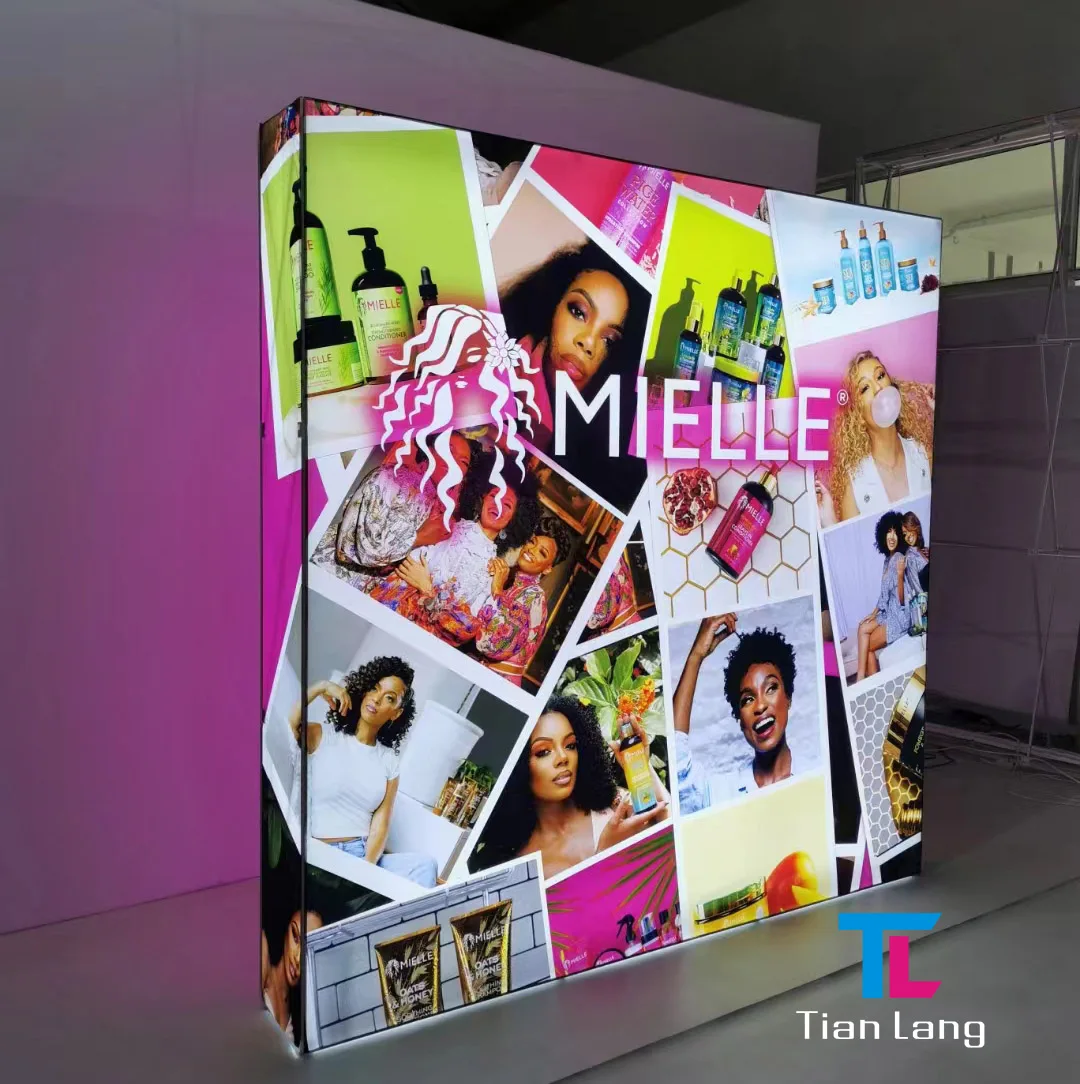
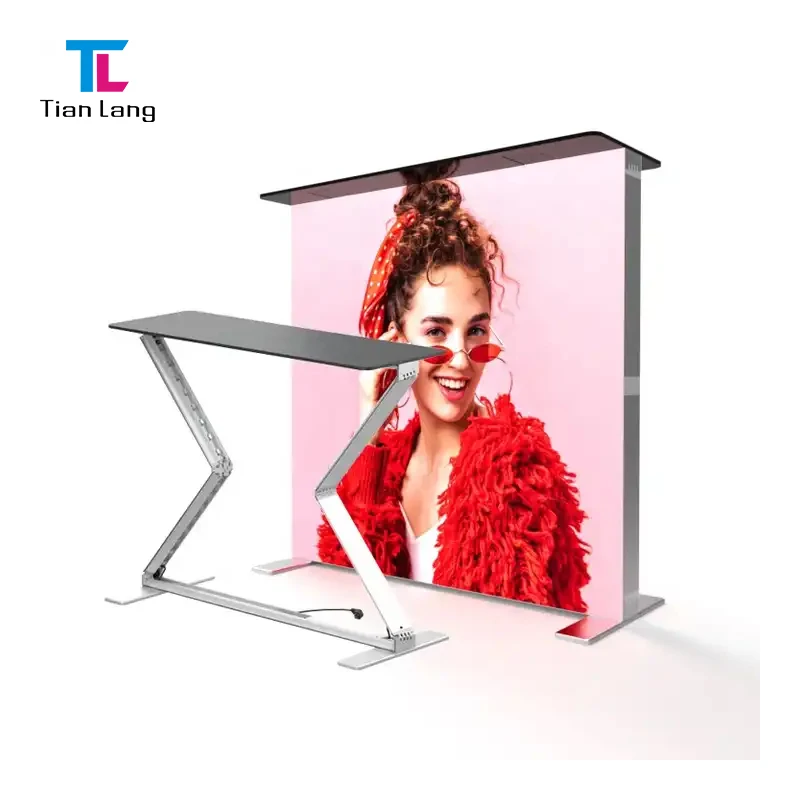
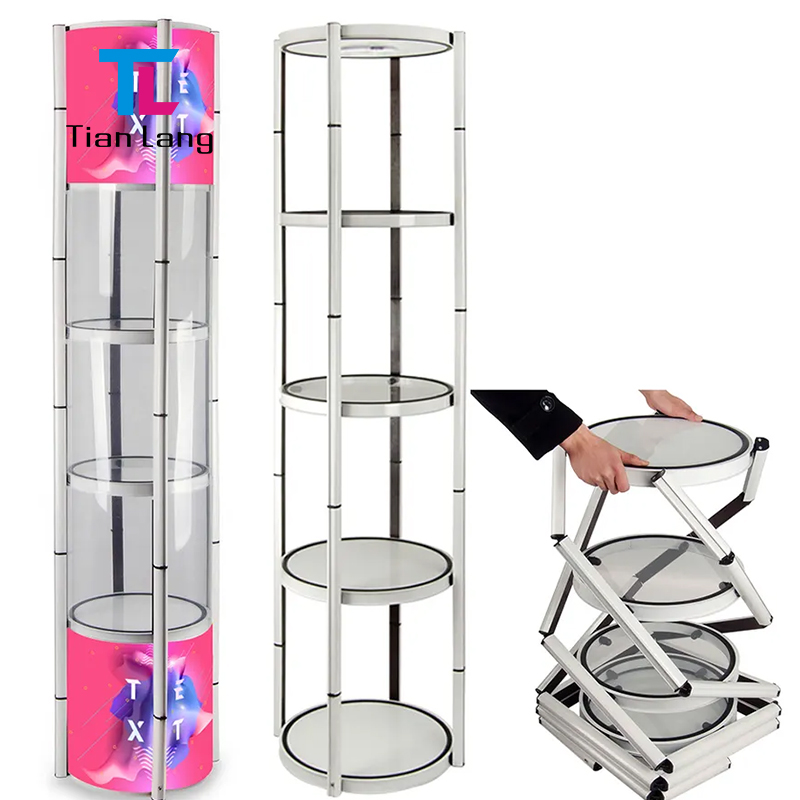
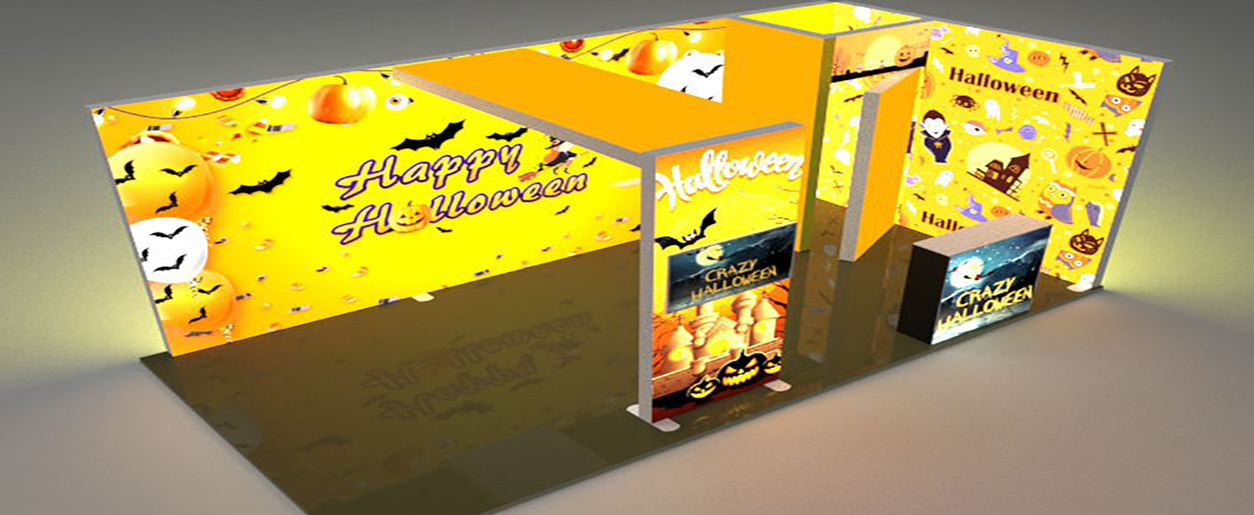
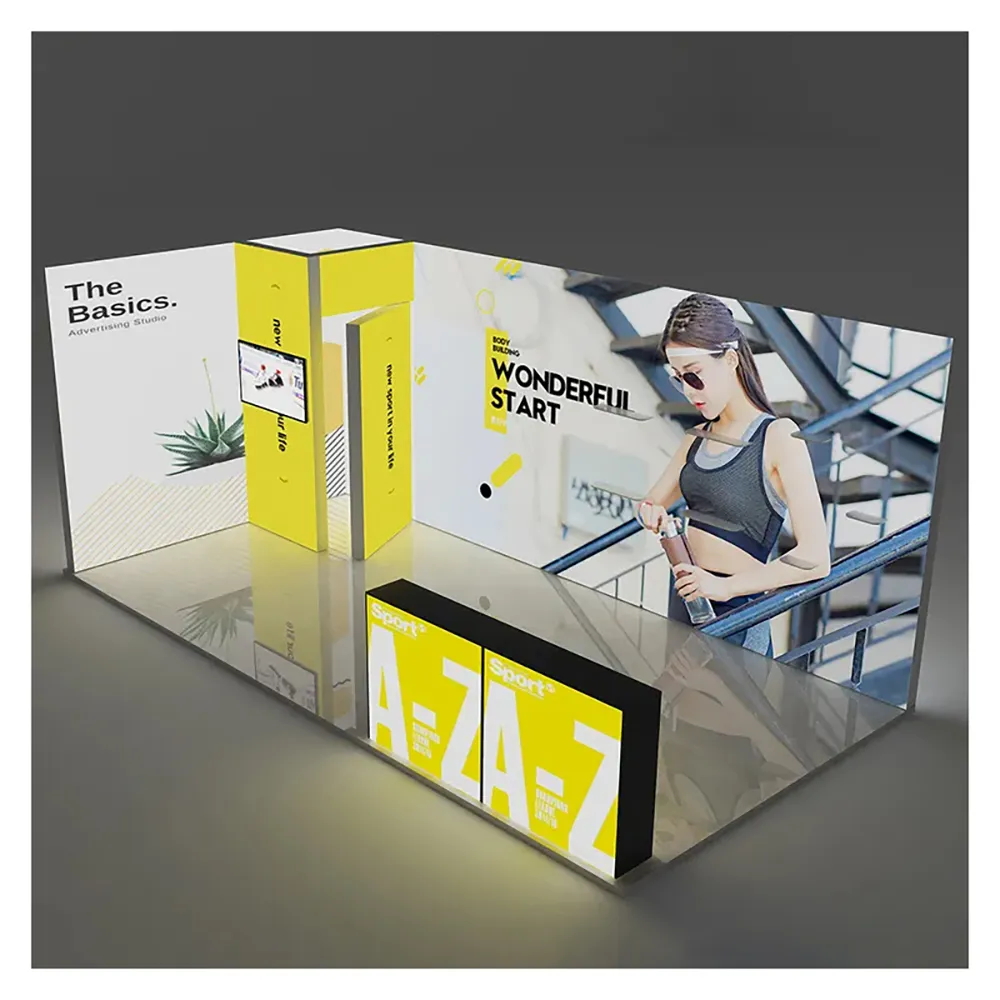
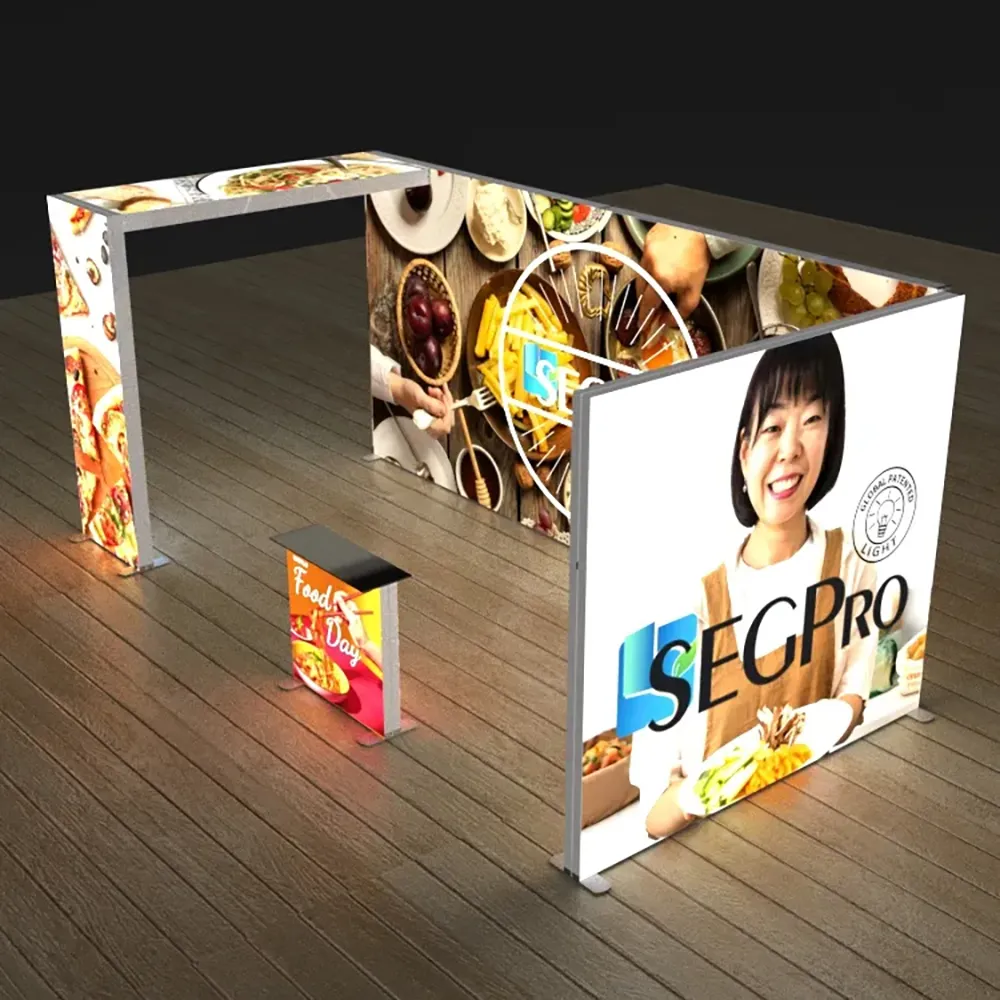
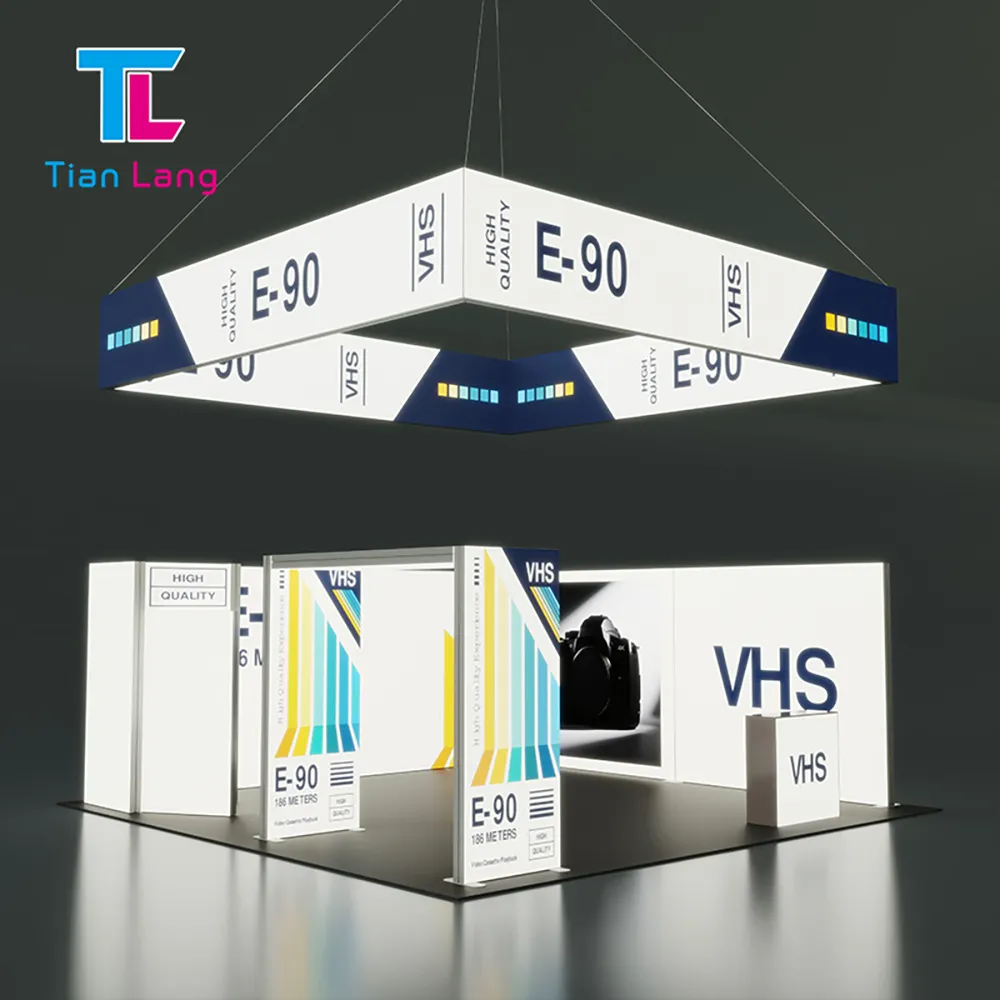
3d exhibition stall design represents a revolutionary approach to creating engaging and immersive trade show experiences that captivate audiences and elevate brand presence. This innovative methodology combines advanced visualization technology with creative spatial planning to deliver comprehensive previews of exhibition spaces before physical construction begins. The main functions of 3d exhibition stall design include virtual walkthroughs, realistic rendering of materials and lighting, precise spatial measurements, and interactive elements that allow stakeholders to experience the booth from every angle. Technological features encompass photorealistic rendering engines, virtual reality compatibility, real-time modification capabilities, and cloud-based collaboration tools that enable teams to review and approve designs remotely. The design process leverages cutting-edge software platforms that simulate textures, colors, lighting conditions, and visitor flow patterns with remarkable accuracy. Applications span across diverse industries including technology exhibitions, automotive shows, healthcare conferences, retail trade fairs, and corporate events where visual impact drives engagement. Organizations utilize 3d exhibition stall design to test multiple layout configurations, optimize traffic flow, evaluate branding placement, and ensure structural feasibility before committing to physical construction. This approach significantly reduces costly mistakes, accelerates approval processes, and ensures all stakeholders share a unified vision of the final exhibition space, making it an indispensable tool for modern event marketing.

Popular Products

Investing in 3d exhibition stall design delivers substantial practical benefits that directly impact your bottom line and exhibition success. The most immediate advantage is cost savings, as identifying design flaws virtually eliminates expensive on-site modifications and material waste during construction. You gain complete visualization control, allowing decision-makers to explore every detail and make informed choices about layouts, materials, and branding elements before production begins. This visualization capability accelerates approval workflows dramatically, as clients can instantly understand the spatial concept without interpreting technical drawings or relying on imagination. The collaborative nature of 3d exhibition stall design enables geographically dispersed teams to participate in design reviews simultaneously, reducing revision cycles and project timelines significantly. Marketing teams benefit from high-quality renderings that serve dual purposes as both design approvals and promotional materials for pre-event campaigns. Operational benefits include accurate material quantification, which improves budget forecasting and vendor coordination, while precise measurements ensure seamless installation without spatial conflicts. The design flexibility allows rapid exploration of alternative concepts, empowering you to test bold ideas without financial risk. Application suitability extends from small booth configurations to expansive pavilions, accommodating businesses of all sizes and budgets. For decision-makers, 3d exhibition stall design provides comprehensive documentation that supports vendor briefings, contractor coordination, and quality control throughout the construction phase. This technology transforms abstract concepts into tangible visual experiences, building confidence in design decisions and ensuring your exhibition investment delivers maximum return through visitor engagement and brand memorability.

Practical Tips

The Impact of Lighting in Exhibition Displays with SEG Light Boxes

02

Jun

The Impact of Lighting in Exhibition Displays with SEG Light Boxes

Transform your display with the Tian Lang SEG Light Box, offering premium LED illumination for vivid, eye-catching graphics that draw in and engage viewers effortlessly.
View More
The Power of Advertising Light Boxes

02

Jun

The Power of Advertising Light Boxes

Advertising light boxes dazzle with vibrant displays, captivating audiences and boosting brand impact across industries with their innovative and engaging designs
View More
Illuminating Brands: The Power of Light Box Exhibitions

02

Jun

Illuminating Brands: The Power of Light Box Exhibitions

Light box exhibitions illuminate brands with vibrant displays that captivate audiences, enhancing product visibility and brand perception effectively.
View More
A Deep Dive into Folding Lightbox Designs

02

Jun

A Deep Dive into Folding Lightbox Designs

Tian Lang's folding lightboxes: sleek, durable, customizable, energy-efficient. Ideal for retail, events, exhibitions, maximizing impact with minimal space and cost.
View More

Get a Free Quote

Our representative will contact you soon.
Email
Name
Company Name
Message
0/1000

3d exhibition stall design

Immersive Virtual Walkthroughs Transform Planning

Immersive Virtual Walkthroughs Transform Planning

The immersive virtual walkthrough capability of 3d exhibition stall design revolutionizes how organizations plan and experience their exhibition spaces before construction. This feature allows stakeholders to navigate through the booth environment exactly as visitors would, experiencing sightlines, spatial proportions, and design elements from human perspective rather than abstract floor plans. Decision-makers can evaluate whether key messaging is visible from entrance points, assess whether product displays are positioned at optimal viewing heights, and determine if traffic flow accommodates expected visitor volumes. The virtual walkthrough identifies potential congestion points, reveals hidden opportunities for interactive zones, and ensures brand elements command attention from critical angles. This technology empowers teams to make evidence-based refinements that enhance visitor engagement and operational efficiency. Marketing directors gain confidence that their vision translates effectively into physical space, while operations teams verify logistical requirements like storage access and staff positioning. The ability to experience the booth virtually eliminates guesswork and subjective interpretation, aligning all stakeholders around a shared understanding of the exhibition environment and its capability to deliver business objectives.
Photorealistic Rendering Ensures Material Confidence

Photorealistic Rendering Ensures Material Confidence

Photorealistic rendering technology within 3d exhibition stall design provides unprecedented accuracy in visualizing materials, finishes, lighting, and branding applications before any physical construction occurs. This advanced feature simulates how fabrics drape, how metallic surfaces reflect light, how wood grains appear under different illumination conditions, and how graphics reproduce at various scales. The precision eliminates costly material selection errors and ensures brand colors reproduce faithfully across different substrates. Lighting simulation reveals how spotlights affect product visibility, how ambient conditions influence mood, and how shadows impact graphic legibility throughout the day. This capability proves particularly valuable when specifying premium materials or custom finishes, as clients see exact representations rather than relying on small samples or supplier catalogs. The rendering quality suffices for marketing collateral, enabling organizations to promote their exhibition presence using images of the actual booth design rather than generic placeholders. Design teams explore multiple material combinations rapidly, comparing cost implications against visual impact to optimize budget allocation. This confidence in material selection streamlines procurement, reduces sample requests, and accelerates supplier coordination, ultimately compressing project timelines while elevating final quality.
Real-Time Collaboration Accelerates Decision Making

Real-Time Collaboration Accelerates Decision Making

Real-time collaboration functionality embedded in modern 3d exhibition stall design platforms dramatically accelerates project timelines by enabling simultaneous multi-stakeholder participation regardless of geographic location. Teams review designs together in virtual environments, marking up specific elements, suggesting modifications, and approving components without scheduling conflicts or travel requirements. This collaborative approach eliminates the sequential review bottleneck that traditionally extends project durations, as marketing teams, executives, designers, and contractors contribute perspectives simultaneously. Version control ensures all participants reference current designs, while annotation tools capture feedback directly on visual elements rather than through ambiguous written descriptions. The platform documents all decisions and modifications automatically, creating comprehensive audit trails that support project management and accountability. International organizations particularly benefit from this capability, as headquarters, regional teams, and local vendors coordinate seamlessly across time zones. The collaborative environment fosters creative problem-solving, as diverse perspectives identify optimization opportunities that individual reviewers might overlook. Rapid iteration cycles encourage experimentation with innovative concepts, knowing that stakeholder alignment occurs efficiently. This decisiveness translates directly into compressed timelines, reduced coordination overhead, and exhibition booths that authentically reflect collective organizational vision rather than compromised designs resulting from communication limitations.