 EN
EN
 FR
FR DE
DE PT
PT ES
ES AR
AR RU
RU

How to choose between modular and custom booths for your marketing needs?
Creating Powerful Brand Experiences Through Strategic Trade Show Presence
A trade show booth serves as your brand's physical ambassador in the bustling world of industry exhibitions. It's more than just a temporary structure - it's a powerful marketing tool that can significantly impact your brand's perception and business success. In today's competitive marketplace, where first impressions matter more than ever, a well-designed trade show booth can be the difference between being remembered or forgotten by potential clients and partners.
The impact of a thoughtfully designed trade show booth extends far beyond mere aesthetics. It creates an immersive brand experience that engages visitors, communicates your value proposition, and generates qualified leads. Understanding how to maximize this impact requires a strategic approach that combines visual appeal, functionality, and meaningful interaction opportunities.
Essential Elements of an Impactful Trade Show Booth Design
Visual Architecture and Brand Consistency
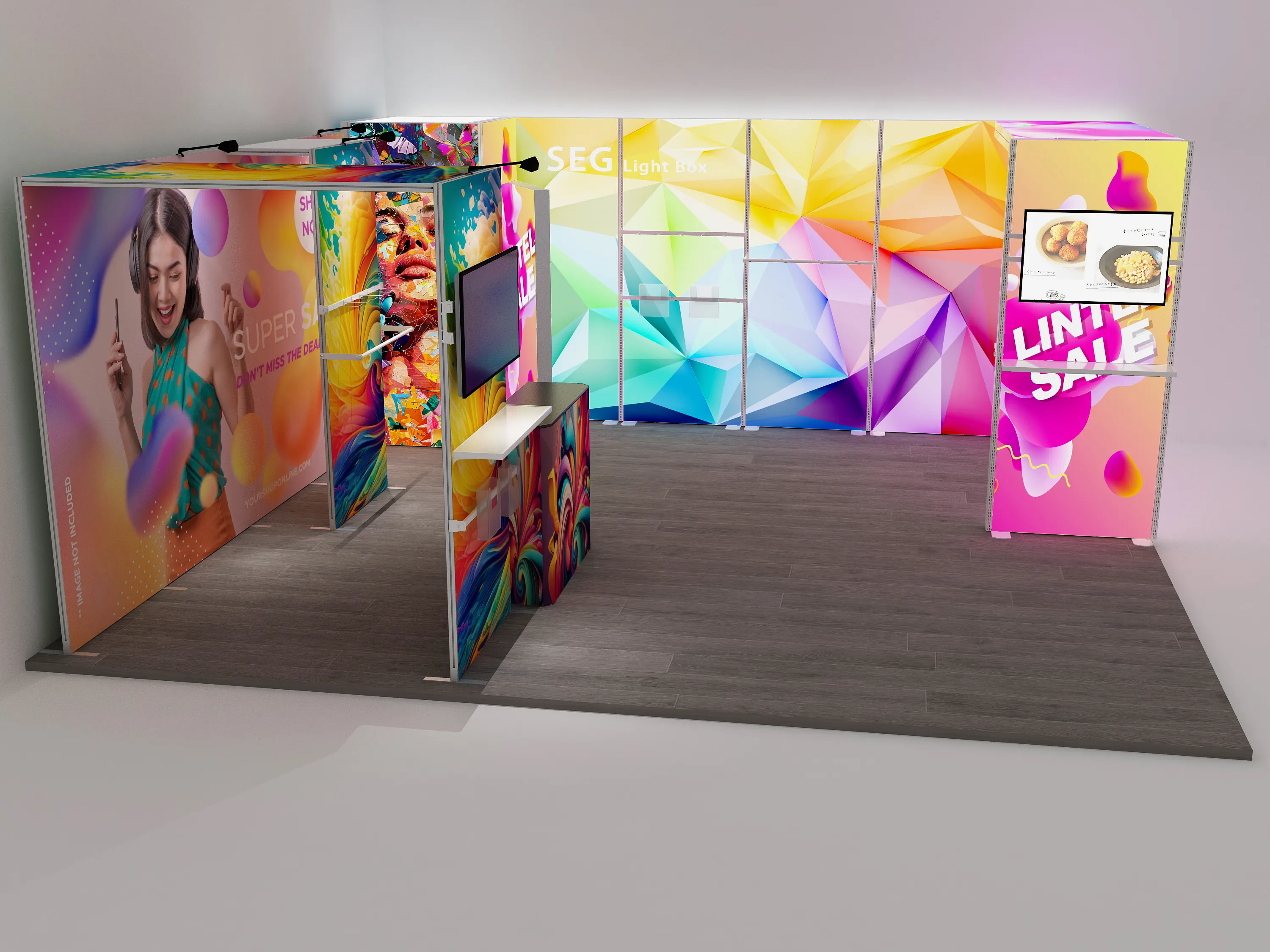
The visual architecture of your trade show booth should immediately capture attention while maintaining alignment with your brand identity. This includes carefully selected color schemes, typography, and graphic elements that mirror your company's established brand guidelines. The key is to create a cohesive look that stands out without appearing disconnected from your overall brand narrative.
Consider incorporating large-format graphics, dynamic lighting solutions, and strategically placed brand elements that guide visitors through your space. The height and structure of your booth should be optimized for visibility from multiple angles, ensuring your presence is noticed even in crowded exhibition halls.
Interactive Elements and Technology Integration
Modern trade show booth design increasingly relies on interactive elements to engage visitors and create memorable experiences. Touch screens, virtual reality demonstrations, and interactive product displays can transform passive observers into active participants. These technological integrations should serve a purpose beyond mere novelty, directly connecting to your products or services.
Smart technology implementation might include digital product catalogs, real-time demonstration capabilities, or social media integration that encourages visitors to share their experience. The key is selecting technologies that enhance rather than overshadow your core message.
Strategic Space Planning and Traffic Flow
Layout Optimization for Engagement
The layout of your trade show booth should facilitate natural movement and conversation while maximizing the use of available space. Create clear pathways that lead visitors through your key messaging points and product displays. Consider incorporating both open areas for group demonstrations and semi-private spaces for one-on-one conversations.
Strategic placement of product displays, seating areas, and information stations helps maintain smooth traffic flow while ensuring visitors spend quality time in your booth. The goal is to create an environment that feels welcoming and organized, not cramped or chaotic.
Staff Positioning and Interaction Zones
Carefully planned staff positioning can significantly impact visitor engagement. Design your booth with designated areas for different types of interactions - from initial greetings to in-depth product demonstrations and closing conversations. This thoughtful approach to space utilization helps your team operate more effectively and provides a better experience for visitors.
Include clearly defined entry and exit points that allow for natural conversation transitions. This helps prevent bottlenecks and ensures that every visitor has the opportunity to meaningfully engage with your brand.
Lighting and Atmospheric Elements
Strategic Illumination Techniques
Lighting plays a crucial role in creating atmosphere and drawing attention to key elements within your trade show booth. Use a combination of ambient, accent, and task lighting to create depth and highlight important features. LED solutions offer flexibility and energy efficiency while allowing for dynamic color changes and effects.
Consider how lighting can be used to create different zones within your booth and guide visitor attention to specific products or messages. Professional lighting design can dramatically enhance the perceived value of your display and create an inviting atmosphere that encourages longer visits.
Environmental Comfort and Acoustics
The physical comfort of visitors can significantly impact their willingness to engage with your brand. Pay attention to factors like temperature control, adequate ventilation, and acoustic management. Creating a comfortable environment helps extend visitor stay time and improves the quality of conversations.
Consider incorporating sound-dampening materials or designated quiet areas for important discussions. These environmental considerations demonstrate attention to detail and concern for visitor comfort, which reflects positively on your brand.
Lead Generation and Data Collection Integration
Digital Lead Capture Systems
Incorporate seamless lead capture technologies that don't interrupt the natural flow of conversation. Modern solutions like NFC-enabled badges, QR codes, or mobile apps can efficiently collect visitor information while maintaining engagement. Ensure your systems can quickly categorize leads and trigger appropriate follow-up actions.
Design your booth layout to support these digital tools while maintaining privacy and security. The goal is to gather valuable contact information and insights without creating barriers to meaningful interaction.
Performance Metrics and Analytics
Implement systems to track and analyze booth performance metrics. This might include visitor count, dwell time, interaction points, and lead quality scores. Using this data helps optimize your booth design and staffing strategies for future events.
Consider heat mapping technologies and traffic flow analysis to understand how visitors move through your space. This information is invaluable for continuous improvement and ROI measurement.
Frequently Asked Questions
What is the optimal size for a trade show booth?
The optimal size depends on various factors including your budget, exhibition goals, and typical show attendance. However, a minimum of 10x10 feet is recommended for small businesses, while larger corporations might need 20x20 feet or more to effectively showcase their products and accommodate visitor flow. The key is maximizing the use of whatever space you have through strategic design and layout planning.
How can lighting enhance trade show booth effectiveness?
Strategic lighting can dramatically improve booth effectiveness by creating atmosphere, highlighting key products or messages, and making your space more inviting. Use a mix of ambient, accent, and task lighting to create depth and interest. LED solutions offer flexibility and energy efficiency while allowing for dynamic effects that can help attract attention in busy show environments.
What are the most important elements to include in a trade show booth?
Essential elements include clear brand messaging, professional graphics, adequate lighting, comfortable meeting spaces, product display areas, and technology integration for lead capture and demonstrations. The booth should also incorporate storage solutions, literature displays, and possibly refreshment stations, depending on size and purpose. Most importantly, ensure all elements work together to create a cohesive brand experience.