 EN
EN
 FR
FR DE
DE PT
PT ES
ES AR
AR RU
RU

Can a Pop Up Booth Reduce Setup Time Without SacrificingQuality?
The question of whether a pop up booth can reduce setup time without sacrificing quality has become increasingly critical for businesses participating in trade shows, exhibitions, and promotional events. Modern pop up booth designs have evolved significantly, incorporating advanced materials and engineering solutions that address the traditional trade-off between speed and presentation quality. Understanding how these portable display systems achieve both rapid deployment and professional appearance requires examining their construction methods, material specifications, and real-world performance characteristics.
The answer is definitively yes, but achieving this balance depends on specific design features and implementation strategies. Contemporary pop up booth systems utilize pre-fabricated framework components, integrated graphics mounting systems, and tool-free assembly mechanisms that enable setup times of 15-30 minutes while maintaining structural integrity and visual appeal comparable to traditional custom-built displays. The key lies in understanding which features contribute most effectively to both speed and quality outcomes.
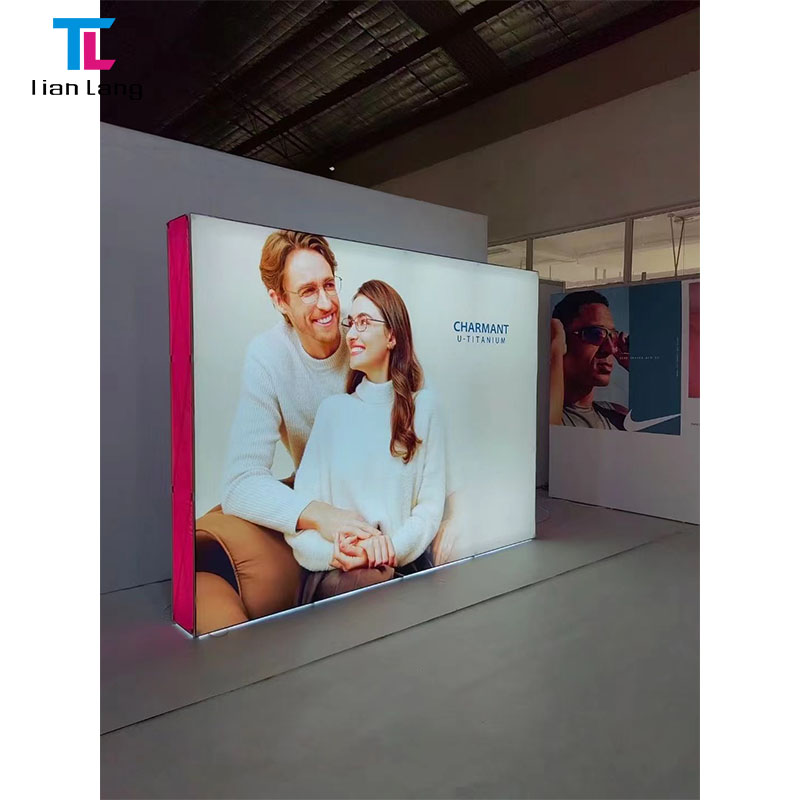
Engineering Solutions That Enable Rapid Setup
Pre-Tensioned Framework Systems
The foundation of quick-setup pop up booth systems relies on pre-tensioned framework technology that eliminates complex assembly procedures. These frameworks utilize spring-loaded connectors and predetermined locking positions that guide components into correct alignment automatically. The tensioning mechanism ensures structural stability without requiring manual adjustments or specialized tools during setup.
Modern pop up booth frameworks incorporate lightweight aluminum or carbon fiber materials that provide necessary strength while reducing transportation weight. The pre-engineered connection points eliminate guesswork during assembly, as components can only connect in proper configurations. This design approach reduces setup errors that could compromise both speed and final appearance quality.
The tensioning system also maintains consistent framework geometry across multiple setup and breakdown cycles. This consistency ensures that graphics panels and accessories align properly every time, preventing the quality degradation that often occurs with repeatedly assembled traditional displays.
Integrated Graphics Mounting Technology
Quality pop up booth designs incorporate graphics mounting systems that eliminate separate attachment procedures during setup. These integrated systems feature magnetic strips, velcro channels, or clip-on mechanisms built directly into the framework structure. Graphics panels connect instantly without requiring positioning adjustments or alignment procedures.
The mounting technology ensures graphics remain wrinkle-free and properly tensioned regardless of setup speed. Pre-measured graphics panels are designed to fit specific framework dimensions, eliminating the trial-and-error positioning that consumes setup time and creates unprofessional appearance. Some advanced pop up booth systems include registration marks or guides that ensure perfect graphics alignment every time.
Magnetic mounting systems particularly excel at combining speed with quality, as they provide strong holding force while allowing instant repositioning if needed. The magnetic approach also reduces wear on graphics materials compared to mechanical fastening methods, maintaining visual quality over extended use periods.
Quality Preservation Mechanisms
Material Specifications and Durability
High-quality pop up booth systems maintain professional appearance through careful material selection that withstands rapid assembly procedures. Framework materials must provide sufficient strength to support graphics and accessories while resisting deformation from repeated setup cycles. Aircraft-grade aluminum and engineered plastics offer optimal strength-to-weight ratios for this application.
Graphics materials play equally important roles in quality preservation during quick setup procedures. Wrinkle-resistant fabrics and tear-resistant films ensure that graphics maintain crisp appearance even when handled quickly during assembly. Some pop up booth systems utilize graphics materials with memory properties that automatically eliminate minor wrinkles when properly tensioned.
Connection hardware durability directly impacts both setup speed and long-term quality maintenance. Premium pop up booth systems feature corrosion-resistant hardware and self-lubricating connection mechanisms that operate smoothly even after extensive use. This hardware quality prevents binding or misalignment that could slow setup procedures or compromise structural integrity.
Precision Manufacturing Standards
The ability to maintain quality during rapid setup depends heavily on manufacturing precision in framework dimensions and connection tolerances. Pop up booth components manufactured to tight tolerances ensure consistent fit and finish regardless of assembly speed or operator experience level. Precision manufacturing eliminates the manual adjustments that consume setup time while potentially compromising final appearance.
Quality control procedures during manufacturing verify that each pop up booth component meets specified dimensional requirements and functional performance standards. This verification ensures that field assembly proceeds smoothly without compatibility issues or alignment problems that could affect either speed or appearance quality.
Advanced manufacturing techniques such as computer-controlled machining and laser cutting enable the precision required for tool-free assembly systems. These manufacturing methods create connection points that align perfectly without manual manipulation, supporting both rapid setup and professional appearance standards.
Setup Time Optimization Strategies
Pre-Setup Preparation Protocols
Effective pop up booth deployment begins with systematic preparation that occurs before arriving at the event location. Pre-setup protocols include verifying component completeness, organizing assembly sequence, and preparing graphics materials for immediate installation. These preparation steps significantly reduce on-site setup time while ensuring quality standards.
Component organization systems help setup teams locate required parts quickly during assembly. Some pop up booth manufacturers provide color-coded components or numbered assembly sequences that eliminate confusion during setup procedures. Clear organization reduces setup time while preventing assembly errors that could compromise display quality.
Graphics preparation includes removing protective packaging and pre-positioning mounting hardware to enable immediate installation. Some pop up booth systems benefit from partial graphics pre-mounting that can be completed in controlled environments before transport to event locations. This preparation approach transfers time-consuming detail work away from high-pressure setup situations.
Assembly Sequence Optimization
Strategic assembly sequencing maximizes setup efficiency while maintaining quality control at each step. Optimal sequences typically begin with framework assembly, proceed through graphics installation, and conclude with accessory mounting. This progression allows each step to build upon previous work without requiring rework or repositioning.
Advanced pop up booth designs incorporate assembly sequences that naturally guide operators through proper procedures. Framework components that must connect in specific orders include visual cues or physical features that prevent incorrect assembly. These design features reduce setup time while ensuring proper structural assembly every time.
Team coordination protocols further optimize setup sequences when multiple people participate in assembly procedures. Clear role assignments and communication procedures prevent duplicated effort while ensuring that quality standards receive appropriate attention throughout the setup process.
Performance Measurement and Validation
Setup Time Benchmarking
Quantitative measurement of pop up booth setup performance provides objective validation of time reduction claims. Professional setup benchmarks typically range from 15 minutes for basic configurations to 45 minutes for complex multi-panel displays. These benchmarks include complete assembly from packed components to finished display ready for operation.
Setup time measurements should account for operator experience levels and available workspace conditions. Experienced teams working in optimal conditions achieve faster times than occasional users in cramped spaces. Realistic benchmarking considers these variables to provide practical performance expectations for different operational scenarios.
Comparative analysis between pop up booth systems and traditional displays reveals significant time advantages for quality portable systems. While custom-built displays may require 2-4 hours for complete assembly, well-designed pop up booth solutions achieve comparable visual impact in a fraction of the time without sacrificing professional appearance standards.
Quality Assessment Criteria
Objective quality assessment requires defined criteria that evaluate both visual appearance and structural performance. Visual quality metrics include graphics alignment accuracy, surface smoothness, color consistency, and overall professional appearance. Structural quality assessment examines framework stability, connection security, and resistance to normal operational stresses.
Long-term quality evaluation tracks performance degradation over multiple setup and breakdown cycles. High-quality pop up booth systems maintain appearance and structural standards through dozens of assembly cycles, while lower-quality alternatives may show wear or alignment issues after limited use. This durability directly impacts the speed-versus-quality balance over time.
Field testing under realistic conditions provides the most accurate quality assessment for pop up booth performance. Laboratory testing cannot fully replicate the time pressures, space constraints, and handling conditions that occur during actual event setup procedures. Real-world validation confirms whether theoretical design advantages translate into practical performance benefits.
FAQ
How quickly can a professional pop up booth be assembled by an experienced team?
An experienced team can typically assemble a standard pop up booth in 15-30 minutes, depending on the complexity and size of the display. Simple single-panel configurations may require only 10-15 minutes, while larger multi-panel systems with integrated lighting and accessories might take 30-45 minutes. These timeframes assume proper preparation and organization of components before beginning assembly.
What specific features should I look for to ensure quick setup without quality compromise?
Look for pop up booth systems with pre-tensioned frameworks, tool-free assembly mechanisms, integrated graphics mounting systems, and precision-manufactured components. Magnetic or quick-clip graphics attachment systems significantly reduce setup time while ensuring proper alignment. Additionally, color-coded or numbered components help prevent assembly errors that could compromise either speed or appearance quality.
Do rapid-setup pop up booths maintain their appearance quality over multiple uses?
High-quality pop up booth systems maintain their appearance and structural integrity through dozens of assembly cycles when properly designed and manufactured. The key factors include durable framework materials, precision connection hardware, and graphics materials designed for repeated installation. However, setup speed should never come at the expense of careful handling, as rough assembly procedures can accelerate wear regardless of system quality.
Can inexperienced users achieve fast setup times while maintaining professional results?
Well-designed pop up booth systems enable inexperienced users to achieve professional results, though initial setup times may be 50-100% longer than experienced teams require. The intuitive design features and fool-proof assembly mechanisms in quality systems help prevent common errors that could compromise appearance. Most users achieve significant speed improvements after 2-3 practice assembly sessions while maintaining consistent quality standards.